
In this article, we will delve into the insidious neurophysiological effects of Gas Bubble Disease (GBD), a lethal threat to aquarium fish, and crucial lifesaving emergency intervention strategies. Discover how to disarm this 'silent time bomb' with scientific knowledge.


While cats possess a surprising ability to adapt to high-rise fall traumas, the insidious neurophysiological effects on their brain carry vital risks. In this article, we reveal 5 critical neurobiological effects your cat may experience after a fall and the lifesaving emergency intervention codes with scientific secrets.

In this article, you will discover how your rabbit copes with unexpected situations and its neurocognitive responses to non-routine events. Learn scientific secrets to enhance mental flexibility and manage stress.
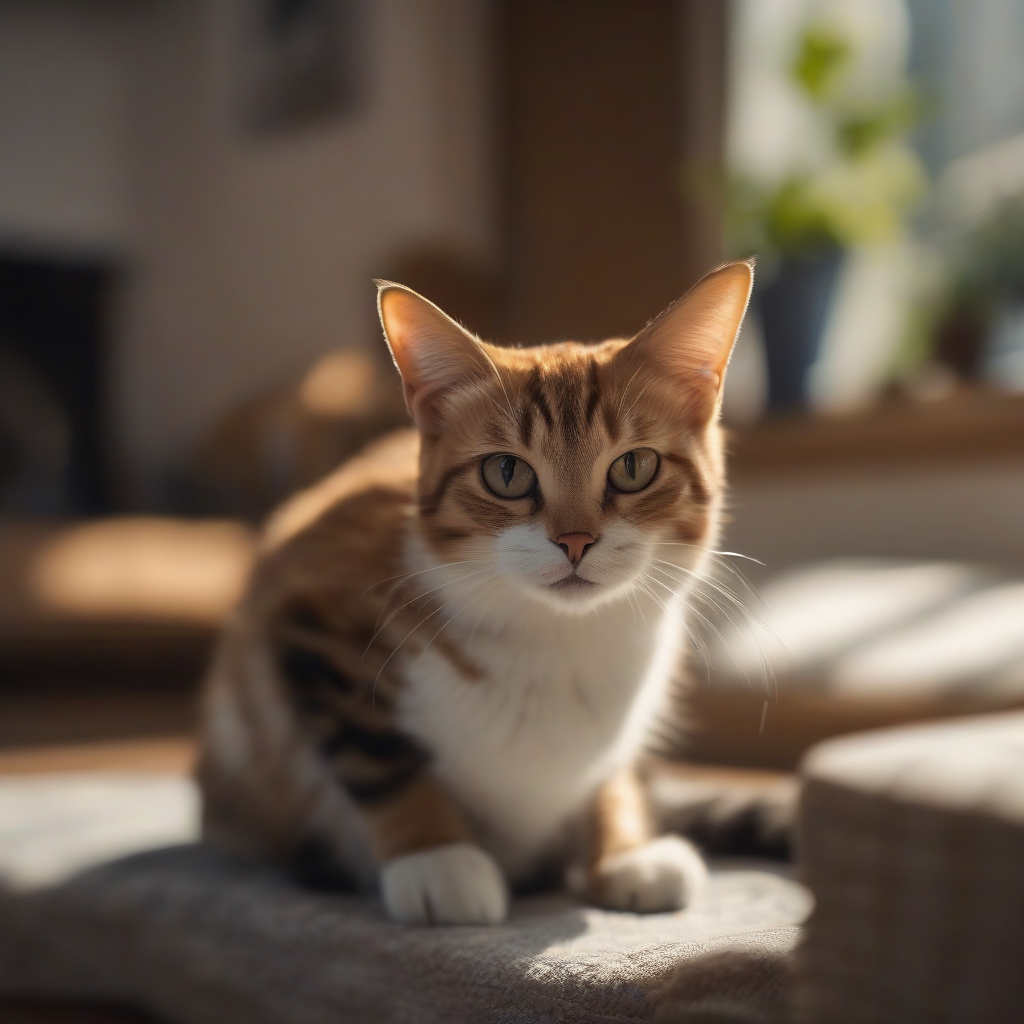
In this article, you will find comprehensive information on the insidious neurophysiological effects of seizures in cats' brains and lifesaving emergency intervention codes during a seizure.
As an aquarium enthusiast, understanding the emergencies that can arise in the silent world of your fish is vital for their health and well-being. Even in a seemingly perfect aquarium, an insidious threat might be lurking: Gas Bubble Disease (GBD). A 'silent time bomb' for fish, GBD is triggered when water becomes oversaturated with gases, leading to the formation of deadly bubbles within the fish's body, particularly in blood vessels and tissues. These bubbles impede the transport of oxygen and nutrients to organs, causing a cascade of devastating neurophysiological effects. In this in-depth guide, you will discover the scientific mechanisms behind GBD, the 5 insidious neurophysiological effects it creates in your fish's brain and body, and the lifesaving emergency intervention codes.
Gas Bubble Disease (GBD) is a serious condition that occurs when gases (nitrogen, oxygen, and carbon dioxide) in aquarium water reach a concentration above atmospheric pressure, meaning the water becomes oversaturated with gases. This oversaturation causes gas bubbles to enter the fish's bloodstream and tissues. Similar to decompression sickness in divers, these bubbles can block blood flow, cause tissue damage, and impair the function of vital organs. Once GBD appears, it can progress rapidly and be fatal to your fish if proper intervention is not taken. Therefore, recognizing GBD symptoms and acting quickly is crucial in an aquarium emergency. Understanding ideal water chemistry in the aquarium is the first step in preventing such situations. For more information, you can check our article Hidden Water Chemistry in Fish Aquariums: 5 Neurobiological Secrets Beyond Ideal Parameters!.
GBD's effects on fish are not only physical but also have profound neurophysiological consequences:
Gas bubbles act like tiny plugs in the fish's blood vessels, obstructing blood flow. These 'micro-emboli' disrupt blood supply, especially to oxygen-dependent organs like the brain. Consequently, brain tissue experiences hypoxia (lack of oxygen). Neurons deprived of oxygen begin to malfunction, adversely affecting the fish's general cognitive abilities, reaction times, and coordination. The fish may exhibit symptoms such as slow responses, disorientation, or lethargy.
One of the most prominent effects of GBD is the accumulation of gas bubbles in the gill capillaries and lamellae. These bubbles physically block the oxygen uptake surface of the gills. Fish, unable to get sufficient oxygen, engage in rapid and shallow breathing (tachypnea), stay near the surface, or excessively move their gill covers. This leads to respiratory failure, disrupting the body's overall oxygen balance and further reducing the amount of oxygen reaching the brain, which can cause secondary neurological damage. For more information on your fish's general physiological balance and stress responses, you can read the article Your Fish Aquarium's Hidden 'Electrolyte Balance' Crises.
Gas bubbles can accumulate not only in internal organs but also in subdermal tissues and fins. This can be seen as visible bubbles on the fish's skin and fins, particularly causing a condition called exophthalmia (pop-eye). These subdermal bubbles irritate nerve endings, causing continuous pain and discomfort in the fish. The fish may exhibit behavioral changes such as rubbing against objects, hiding, or loss of appetite. This chronic neurosensory stimulation increases stress levels, deteriorating overall health.
In some GBD cases, gas bubbles may affect the swim bladder or indirectly impact the central nervous system (especially areas responsible for balance and coordination). This leads to severe impairments in the fish's swimming ability. The fish may show signs of neuro-motor dysfunction such as abnormal swimming postures (upside down, tilted), uncontrolled spinning movements, or remaining motionless at the bottom. This is a sign of disrupted communication between the brain's motor control centers and muscles.
In the most severe GBD cases, gas bubbles can form directly in the tissues of the central nervous system (brain and spinal cord). These bubbles exert physical pressure on brain tissue, disrupting neuronal functions. Consequently, severe behavioral disorders, lethargy, disorientation, loss of reflexes, convulsions, or coma may be observed in the fish. This condition can completely eliminate the fish's ability to respond to its environment and is a critical emergency requiring rapid intervention. Factors like sudden temperature changes, in particular, can exacerbate the effects of such conditions by increasing physiological stress in fish. For more information on this, you can refer to our article Your Fish's 'Silent Thermal Shock' Trap.
When you notice GBD symptoms in your fish, fast and correct intervention can be lifesaving:
The first step is to find the cause triggering gas oversaturation in the aquarium water. Check oxygen and carbon dioxide levels with water test kits. Often, the source of the problem is excessive aeration (too powerful air pump, misplaced air stone), heater malfunction (overheating water and releasing gases), or high-gas water directly from the tap. Remember that the stress of adapting to a new environment can also reduce fish resilience; Your Fish's 'Invisible Quarantine Stress' can help you in this process.
Increase surface agitation in the aquarium to reduce gas saturation. Ensure air stones or filter outlets create ripples on the surface. Temporarily reduce or remove equipment causing excessive aeration. When performing partial water changes, make sure the new water has been aerated or left to stand for several hours beforehand. This allows excess gases in the water to dissipate.
If many fish are affected and improvement cannot be achieved in the main tank, consider moving the most severely affected fish to a separate quarantine tank (with stable and degassed water). This can help them recover in a calmer, stress-free environment.
Your aquatic veterinarian can confirm the diagnosis of GBD and recommend advanced treatment methods. In some cases, medications that can help reduce the size of gas bubbles or supportive treatments may be necessary. Remember, GBD is an emergency, and prompt professional help increases your fish's chances of survival.
Hearing the 'ticking' of a 'time bomb' in your fish's silent body is a terrifying scenario that every aquarist might face. However, by understanding the neurophysiological effects of GBD and applying these emergency intervention codes, you can save your fish's life and ensure a peaceful environment in your aquarium. Knowledge and rapid response are your fish's best defense.
