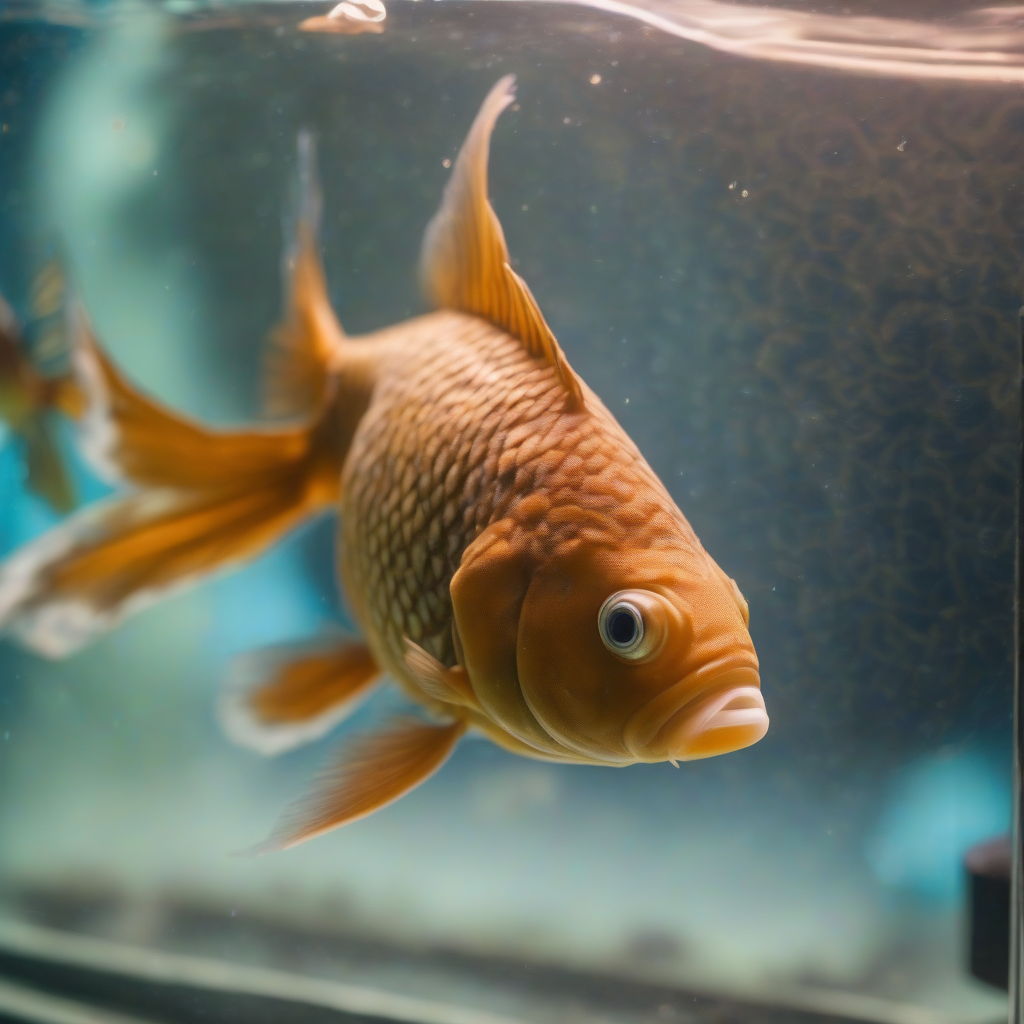
In this article, we will delve into the insidious onset symptoms, causes, and 5 critical emergency intervention protocols for dropsy (edema) in fish, a common and often fatal condition. Find everything you need to know to protect your aquarium fish's health and manage this critical situation correctly.


Discover the neurobiological signals of hidden stress your newly adopted cat experiences during adaptation to a new social environment. This article reveals 5 insidious signs of your cat's silent struggle and scientific strategies for peaceful, long-term harmony.

Your dog's anal sacs, located beneath the tail, can be hidden alarm bells often overlooked but profoundly affecting their quality of life. In this article, you will discover the 5 insidious neurobiological effects of anal sac problems on the brain and the lifesaving care secrets you need to know for your furry friend to live a peaceful life.
In this article, you will find comprehensive information on the insidious neurotoxic effects of heavy metal poisoning in aquarium fish, its symptoms, and lifesaving emergency intervention codes. This condition, which can arise from household water sources, improper equipment, or neglect, can severely threaten your fish's quality of life and lifespan.
One of the most frightening sights for an aquarium hobbyist is seeing their beloved fish's scales stand on end and its body bloat. This condition, commonly known as 'dropsy' or 'edema,' is not a disease in itself, but rather the most prominent sign of a serious underlying health problem. As of March 2026, the latest scientific data reveals that dropsy is typically an emergency indicating the collapse of the fish's internal organ systems and requires rapid, scientific intervention. This article provides a roadmap to help you recognize the insidious onset of dropsy and take critical steps that can save your fish's life.
Dropsy is characterized by excessive fluid accumulation in the fish's body. This fluid buildup usually results from primary underlying health issues such as kidney failure, liver disease, bacterial infections, viruses, or parasites. When the fish's osmoregulation system (the mechanism that regulates salt and water balance) is disrupted, excessive water is retained in the body tissues. This leads to the scales protruding outwards (the 'pinecone' appearance), abdominal swelling, and pressure on internal organs. Particularly, the loss of kidney filtering function causes toxins to accumulate in the body, leading to a general systemic collapse. Therefore, dropsy is a situation requiring an urgent and holistic approach, as symptoms often appear in advanced stages, making reversal difficult.
Early diagnosis is key to mitigating the fatal effects of dropsy. Here are 5 insidious signs that should not be overlooked:
Initially, you might notice only a slight outward fanning of the scales. This can be more evident when observing the fish from above. The full 'pinecone' appearance may not yet be established, but slight lifting at the edges of the scales is a warning sign.
You may observe an abnormal swelling in the fish's abdominal region. This swelling can sometimes be asymmetrical or distort the fish's normal shape. If swelling continues to increase even without loss of appetite, caution should be exercised.
Fish with dropsy often become lethargic. They may remain motionless at the bottom of the aquarium, struggle to swim, or exhibit unbalanced swimming movements. This results from pressure on internal organs or general weakness.
The fish may begin to refuse food it normally enjoys. Additionally, it may exhibit behavioral changes such as isolation from other fish, hiding, or passively staying in tank corners.
In some cases, the fish's gills may appear pale or it may start breathing faster than normal. This can indicate oxygenation problems or toxin accumulation in the body. You can find more detailed critical signs of oxygen deficiency in our article Your Fish's 'Breathing Alarm': Invisible Signals of Oxygen Deficiency in the Aquarium and 5 Scientific Interventions to Stop Fatal Drowning!.
When dropsy is diagnosed, every hour counts. Here are 5 critical intervention steps proven scientifically:
Dropsy may not be contagious (though the underlying cause might be), but isolating the sick fish from others is vital for both protecting others and providing a more controlled treatment environment for the affected fish. A separate quarantine tank with stable water parameters and appropriate heating should be set up quickly. Ensure a stress-free, quiet environment in the quarantine tank.
Water quality in the quarantine tank must be excellent: ammonia, nitrite at zero; nitrate at very low levels. Salt therapy (especially Epsom salt, i.e., magnesium sulfate) can help the fish expel excess water from its body. Epsom salt, thanks to its muscle relaxant and laxative properties, can regulate bowel movements and reduce bloating. A ratio of 1-2 teaspoons of (non-iodized) Epsom salt per 10 liters of water is generally recommended. However, this application should be done carefully, and the fish should be continuously observed. For the negative effects of sudden salt imbalance, you can refer to our article Your Fish's 'Silent Shock' Moment: Aquarium Sudden Salt Imbalance and 5 Lifesaving Scientific Interventions.
To support the fish's immune system, offer high-quality, easily digestible foods (if it's eating). Minimize stress factors by dimming or turning off aquarium lighting. Use an air stone to ensure adequate oxygenation. General aquarium health, as discussed in articles like Your Fish's 'Invisible Root System': 5 Unknown Physiological Effects of Aquarium Substrate and Optimal Care Secrets!, indirectly provides protection against stress.
Since dropsy is often accompanied by or triggered by a bacterial infection, broad-spectrum antibiotic treatment may be considered. However, this must be done strictly with the advice and prescription of a veterinarian. If necessary, antiparasitic medications can also be used, as issues like Your Fish's 'Invisible Internal Parasites': Stealthy Threats and 5 Critical Early Diagnosis Secrets! can trigger dropsy.
The steps above are first aid. If your fish's condition does not improve or worsens, you should immediately contact an aquatic veterinarian. Clearly explain your fish's symptoms, tank parameters, and the interventions you have applied to your veterinarian. Early and accurate diagnosis will significantly increase your fish's chances of survival. Remember, as emphasized in our article Your Fish's 'Silent Scream': A 5-Minute Lifesaving Scientific Emergency Guide for Aquarium Poisoning!, seeking professional help in emergencies is vital.
Dropsy is a serious condition that every aquarium hobbyist may encounter. However, with early diagnosis and correct scientific interventions, there is always a chance to save your fish's life. Remember, preventative care and regular water testing are the best ways to prevent emergencies like dropsy from occurring in the first place.
