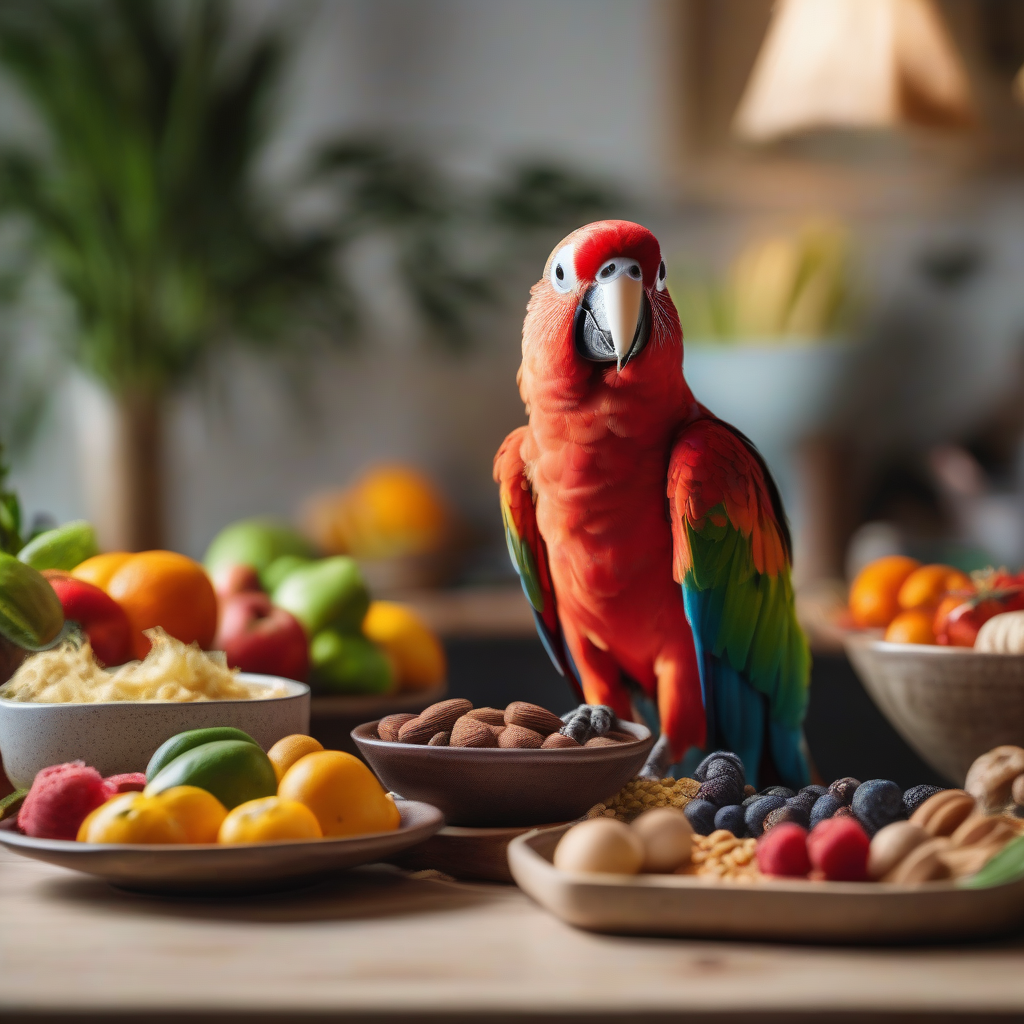
In this article, you will discover the critical effects of your bird's gut microbiome on its overall health, immune system, and cognitive development. Learn 5 subtle signs of a healthy microbiome and find detailed scientific nutrition strategies to strengthen your bird's inner world.


In this article, we will deeply explore the insidious neurobiological effects of gut microbiome imbalance (dysbiosis) on your rabbit's brain health and provide scientific-based solutions to maintain mental vitality.

In this article, you can find comprehensive information on how pancreatitis in dogs not only affects the digestive system but also insidiously impacts the brain, its neuroinflammatory mechanisms, and lifesaving emergency intervention strategies.

Discover the 5 insidious effects of overfeeding, one of the most stealthy threats to your fish's health, causing neurometabolic destruction in their brains, and learn scientific feeding strategies to prevent this demise. Uncover the silent danger in your aquarium!
Your pet bird's health is often judged by its vibrant feathers or energetic movements. However, beyond these external indicators lies an invisible world that forms the foundation of your bird's well-being: the gut microbiome. Recent scientific research shows that gut health is not merely limited to digestion but has critical effects on the immune system, mood, and even cognitive functions. As of March 2026, one of the most current approaches in pet nutrition focuses on optimizing this micro-ecosystem. So, how healthy is your bird's gut microbiome? Let's explore the secrets of this invisible shield and how you can scientifically strengthen it.
The microbiome is the collective name for the community of trillions of bacteria, viruses, fungi, and other microorganisms that live in an organism's body. These microorganisms, especially concentrated in the gut, profoundly affect many biological processes of the host, from digestion to immunity, and even brain functions. The situation is no different for birds. A healthy gut microbiome optimizes nutrient absorption, forms a defense line against pathogens, and regulates metabolic processes.
The gut microbiome is like a "training camp" for your bird's immune system. The microbiota plays a key role in the maturation of immune cells and their ability to respond correctly. A balanced microbiome makes your bird more resilient to diseases. Furthermore, there is a bidirectional communication pathway known as the "gut-brain axis." Microorganisms in the gut contribute to the production of neurotransmitters (like serotonin, dopamine) and can influence your bird's mood, stress responses, and even learning abilities. This connection reveals how vital nutrition is for your bird's cognitive development.
An unbalanced microbiome (dysbiosis) can lead to a range of health issues such as inflammation, nutrient malabsorption, digestive problems, and a weakened immune system. In the long term, it can pave the way for chronic diseases and behavioral problems. Therefore, maintaining your bird's gut health is the cornerstone of its overall well-being. Remember, Your Bird's 'Hidden Nutrient Crystals': 5 Subtle Signs of Vitamin and Mineral Deficiencies and Their Scientific Solutions are also closely related to microbiome balance, as inadequate nutrition can disrupt this balance.
It's not always easy to tell if your bird's gut microbiome is healthy, but some subtle signs can guide you.
A healthy microbiome ensures better absorption of nutrients, especially proteins and fats. This, in turn, supports your bird's feathers to be more vibrant, shiny, and strong. Dull, brittle, or constantly shedding feathers can indicate an underlying digestive or absorption issue.
Optimal energy levels and playful, curious behaviors are indicators that your bird is effectively converting nutrients into energy. Lethargy, listlessness, or excessive sleepiness can be signals of a microbiome imbalance stemming from nutrient malabsorption.
Perhaps one of the most direct signs is the droppings. Healthy, well-formed, consistent, and not excessively odorous droppings indicate that the digestive system is functioning properly. Diarrhea, constipation, overly watery, or abnormally colored and odorous droppings are strong indicators of a problem in the gut microbiome. As mentioned in the article Your Cat's Secret Food Sensitivities: The Dark Secrets of the Digestive System and 5 Scientific Solutions for a Happy Cat, digestive system sensitivities can show similar symptoms across species.
Thanks to the gut-brain axis, a healthy microbiome can help your bird cope better with stress. Excessive timidity, constant feather plucking, aggressive behaviors, or sudden frights can be neurological reflections of an imbalance in the gut microbiome. A calm and balanced bird signifies an inner peace.
The microbiome's influence on brain functions can manifest in your bird's problem-solving ability, speed of learning new commands, and general intelligence. Especially in intelligent bird species like parrots, a healthy gut is key to optimal cognitive development.
Developing nutrition strategies to support your bird's microbiome should be based on scientific data.
Prebiotics are indigestible fibers that promote the growth of beneficial bacteria in the gut. For birds, oats, apple slices, bananas, chicory, or certain specialized bird seeds can be sources of prebiotics. Regular and balanced prebiotic intake is crucial for maintaining a healthy microbiota population.
Probiotics are live microorganisms that directly provide beneficial bacteria. With the recommendation of your veterinarian, you can use probiotic supplements specifically formulated for birds. Especially after antibiotic treatment or during stressful periods, probiotics can help restore gut balance. However, as emphasized in the article Is Your Dog's Gut a Secret Reservoir? 5 Undetected Digestive Problems and Their Solutions, all supplements should be used under veterinary supervision.
Providing variety in your bird's diet and preferring natural, unprocessed foods as much as possible supports microbiome diversity. A diet consisting of fresh vegetables, fruits, whole grains, and appropriate protein sources, rather than processed feeds, is much more beneficial for gut health. As stated in Your Bird's 'Hidden Synthetic Danger' Alarm: 5 Insidious Toxins Hidden in Feeds and Scientific Avoidance Methods, potential dangers in processed foods can negatively impact the microbiome.
Omega-3 fatty acids, particularly DHA and EPA, are known for their anti-inflammatory and brain-health-supporting properties. Supplements like chia seeds, flaxseeds, or fish oil (with veterinary approval) for birds can provide significant support for a healthy microbiome and enhanced cognitive functions.
Exposure to chemicals, pesticide-laden foods, or contaminated water can harm the gut microbiome. Keeping your bird's living space clean, providing fresh and filtered water, and offering organic or well-washed vegetables/fruits are important steps to protect the microbiome.
When developing nutrition strategies for your bird's gut health, caution is necessary.
As discussed in Your Bird's 'Silent Metabolic Shock': Scientific Risks of Sudden Diet Changes and 5 Steps for a Safe Transition!, birds' digestive systems are sensitive to sudden changes. Introduce new foods or supplements gradually and in small amounts.
Every bird's needs are different. Especially for birds with health issues or special dietary requirements, all dietary changes and supplement use must be done under the supervision of a veterinarian. An expert vet will help you determine the most appropriate strategy for your bird's specific condition.
Conclusion: Your bird's gut microbiome is like an invisible shield for its overall health and happiness. Strengthening this shield not only prevents digestive problems but also supports the immune system and maximizes cognitive abilities. With scientific nutrition strategies, this investment in your bird's inner world will enable it to live a longer, healthier, and more intelligent life.
