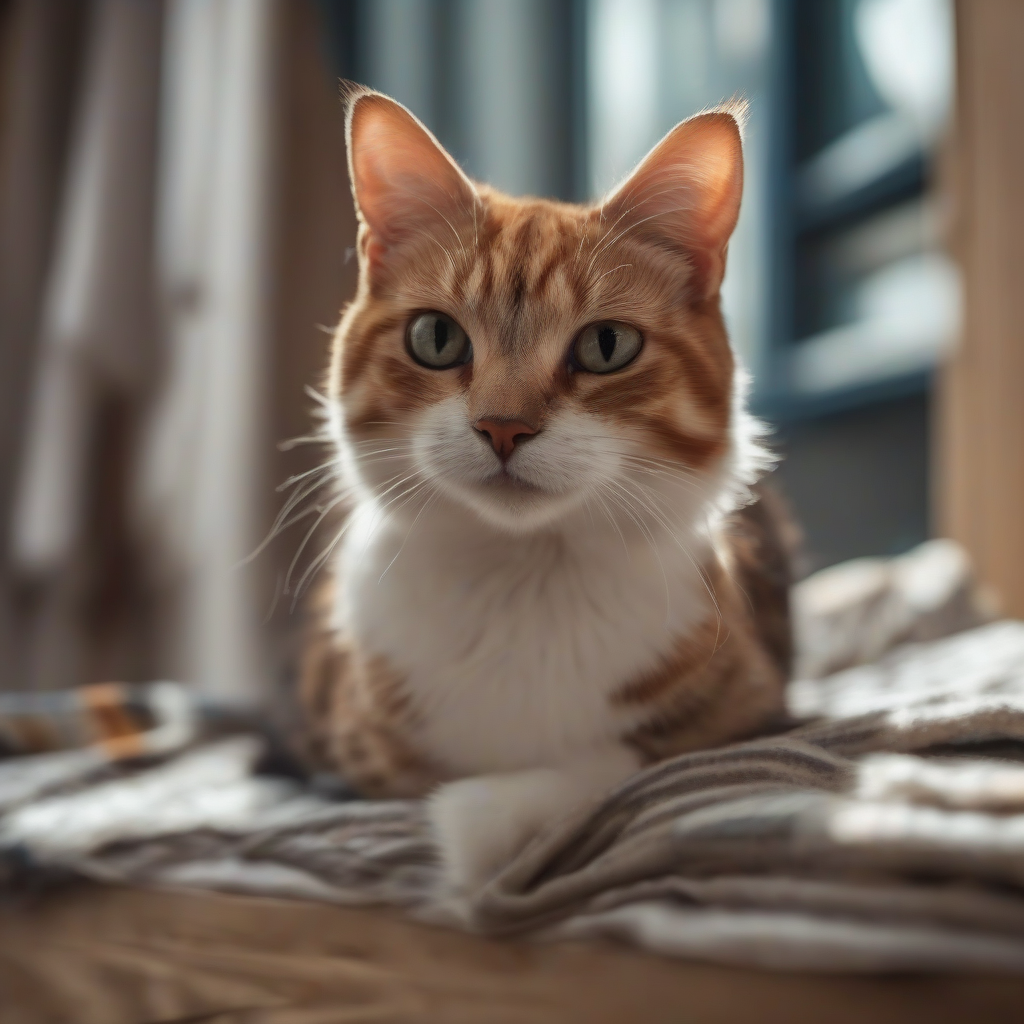
Discover the underlying neurological reasons behind your cat's overlooked behaviors. In this article, you will find 5 critical secrets and scientific solutions to help you understand your cat's silent language.


In this article, you can discover the scientific secrets to understanding your cat's undesirable habits, deciphering the neurocognitive mechanisms in their brain, and establishing lasting new routines.

Discover the types of burns your dog can suffer, the 5 insidious neurophysiological effects these burns create in the brain and body, and lifesaving emergency intervention strategies in this comprehensive guide. We shed light on the dangers behind forgotten household accidents from a scientific perspective.

Discover the neurobiological signals of hidden stress your newly adopted cat experiences during adaptation to a new social environment. This article reveals 5 insidious signs of your cat's silent struggle and scientific strategies for peaceful, long-term harmony.
Cats, among our most mysterious housemates, possess a complex inner world. Their vocalizations, body language, and unexpected behaviors often remain a puzzle to us. However, behind these behaviors lie deep neurological and biochemical processes. Scientists are opening the doors of neurobiology to better understand feline behavior, offering us the opportunity to build healthier, happier, and more understanding relationships with them.
In this article, we will uncover 5 critical neurological secrets underlying your cat's behaviors. With this knowledge, you can decode your cat's 'silent language,' overcome potential communication barriers, and forge a deeper, more meaningful bond with them.
Even as cats adapt to indoor environments, they remain hunters at their core. The unfulfillment of their instinctual hunting behaviors can lead to significant neurological and behavioral issues. This unaddressed instinct can be a hidden cause behind many problems, ranging from shedding to aggressive behaviors. As we highlighted in our article, Your Cat's Secret Hunter Brain: 5 Neurocognitive Effects of Unfulfilled Predatory Instinct in Indoor Cats and Secrets to Behavioral Balance!, play is not just entertainment for cats; it is vital for their neurological health. Play triggers the release of neurotransmitters like dopamine and serotonin in the brain, which reduces stress, improves mood, and supports cognitive functions. Providing your cat with regular interactive play helps satisfy their instincts healthily and prevents unwanted behaviors.
Cats perceive the world largely through their sense of smell. Pheromones play a critical role in their social interactions and emotional states. Changes in the home environment, new people, or animals can disrupt their pheromone balance, leading to stress. Our article, Your Cat's 'Hidden Scent Mazes': 5 Neurobiological Effects of Invisible Pheromone Signals in the Home Environment and Scientific Design Secrets to Trigger Calmness!, delves deeply into this topic. For a cat to feel relaxed and secure, it is important that they are surrounded by their own scents. Similar to the presence of anti-nutrients in their food bowl, misperceived scent signals can negatively affect your cat's nervous system, triggering digestive issues as discussed in Your Cat's 'Secret Gut Signals': 5 Insidious Neuro-Nutrient Traps in the Food Bowl and How They Disrupt Your Brain Chemistry.
Cats perceive their environment not only visually or audibly but also through touch. Different surface textures in the home directly impact their neurocognitive well-being. Slippery floors, hard surfaces, or uncomfortable carpets can create stress and insecurity in cats. As detailed in our article, Your Cat's Invisible Surface Map: 5 Insidious Secrets of Different Textures at Home Shaping Neurocognitive Well-being!, providing cats with both safe and comforting textures helps them feel secure. For instance, due to the sensitivity in their paws, hard and rough surfaces can be uncomfortable for cats. This can lead to issues like those described in Your Cat's 'Hidden Paw Pain': 5 Neurocognitive Effects of Incorrect Flooring Choices and Scientific Solutions for Pain-Free Steps!.
Artificial lighting in the home can severely disrupt a cat's natural circadian rhythms. Cats that cannot discern the time of day can experience sleep disorders, stress, and behavioral problems. The article Your Cat's Invisible 'Light Traps': 5 Neurocognitive Secrets of Artificial Lighting Disrupting Circadian Rhythms at Home and Scientific Solutions! emphasizes the importance of this issue. Providing an environment consistent with natural light cycles is critical for both your cat's physical and mental health. Exposure to excessive or insufficient light can lead to conditions like Your Cat's 'Night Marathon' Syndrome: Neurocognitive Secrets of Sudden Energy Bursts with Scientific Data and Peace-Focused Solutions!.
Experiences during a cat's kittenhood can leave permanent neurological imprints on their brain. Traumas or insufficient socialization early in life can lead to various behavioral problems later in adulthood. Our article, Your Cat's 'Trust Map': 5 Hidden Neurocognitive Locks in the Brain During Early Adoption and Scientific Secrets to Deep Bonding!, explains the importance of this sensitive period. A cat's feeling of security forms the foundation of their social and emotional health. Building this trust is possible with patience, understanding, and the right behaviors. Potentially stressful situations, such as veterinary visits, can be made more manageable through scientific training methods like those described in Your Cat's 'Secret Cooperation Protocols': 5 Neurocognitive Training Secrets to Zero Out Stress in Vet Exams and Grooming Routines!.
In conclusion, instead of viewing your cat's behaviors as messages hidden behind a veil of mystery, striving to understand their neurobiology will strengthen the bond between us. Listening to their 'silent language' will enable us to offer them a better life.
