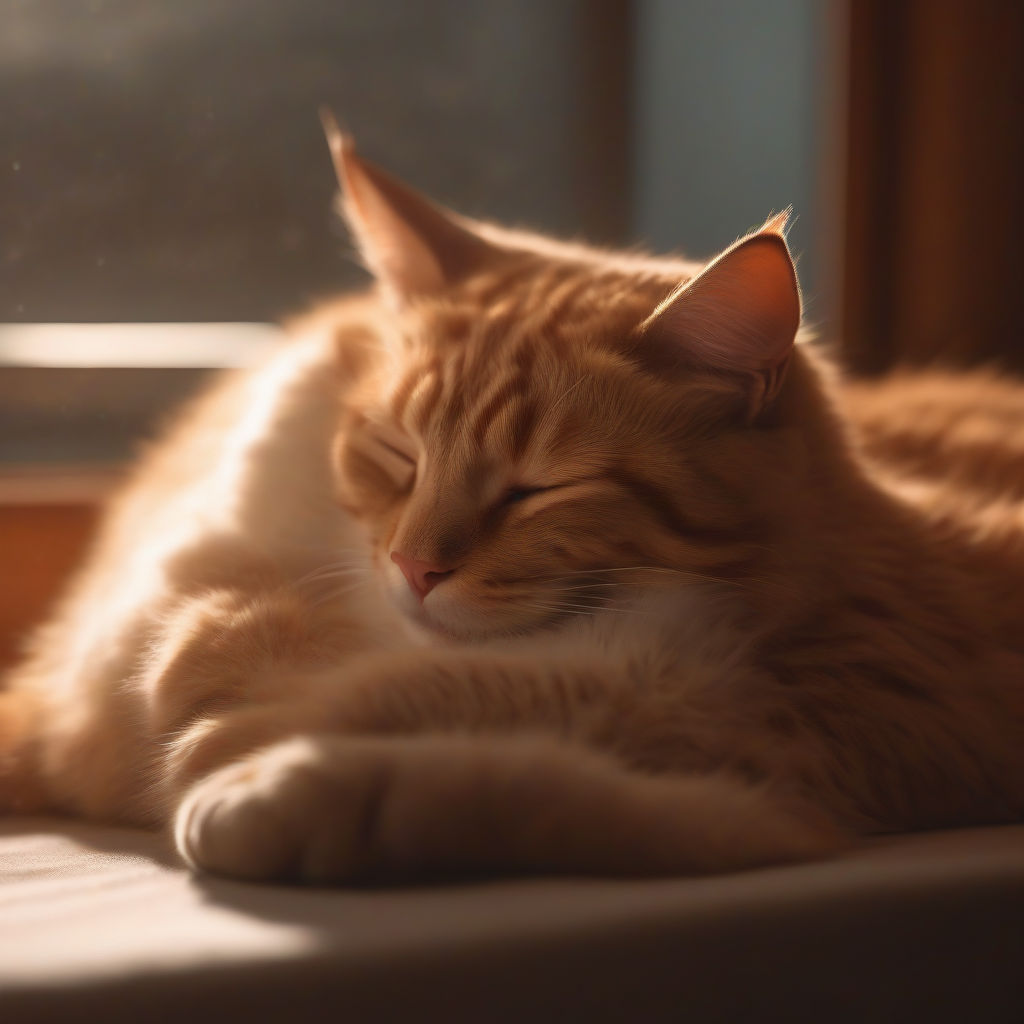
In this article, you will discover how your cat is affected by artificial lighting at home, how their circadian rhythms are disrupted, and the 5 critical impacts this has on their neurocognitive health. With practical, science-backed solutions, transform your feline friend's living space into a peaceful sanctuary through light optimization.


Discover the types of burns your dog can suffer, the 5 insidious neurophysiological effects these burns create in the brain and body, and lifesaving emergency intervention strategies in this comprehensive guide. We shed light on the dangers behind forgotten household accidents from a scientific perspective.

Discover the neurobiological signals of hidden stress your newly adopted cat experiences during adaptation to a new social environment. This article reveals 5 insidious signs of your cat's silent struggle and scientific strategies for peaceful, long-term harmony.

Your dog's anal sacs, located beneath the tail, can be hidden alarm bells often overlooked but profoundly affecting their quality of life. In this article, you will discover the 5 insidious neurobiological effects of anal sac problems on the brain and the lifesaving care secrets you need to know for your furry friend to live a peaceful life.
The living spaces we share with our pets have a much deeper impact on their physical and mental health than we might realize. Especially for indoor cats, lighting systems designed for humans can become an invisible source of stress. Cats, adapted to the wild cycles of their ancestors, possess a unique circadian rhythm. Artificial lighting in modern homes can disrupt this delicate biological clock, leading to a range of neurocognitive and behavioral problems. In this article, we will scientifically examine how home lighting silently sabotages your cat's health and how to avoid these 'light traps'.
Cats' brains are rich in specialized receptors sensitive to the cycles of daylight and darkness. These receptors directly influence the secretion of melatonin, a sleep and rest hormone, and stress hormones like cortisol, thereby regulating the circadian rhythm. In a natural environment, increasing melatonin levels at dusk prepare the cat for rest and sleep. Decreasing melatonin at dawn triggers wakefulness and predatory instincts. However, constantly on artificial lights at home, especially blue-spectrum dominant LEDs, can upset this delicate balance.
Melatonin acts like an orchestra conductor in cats' bodies, affecting sleep, immune system functions, and even moods. Exposure to artificial light at night, particularly short-wavelength blue light, suppresses melatonin production. This makes it difficult for your cat to enter deep sleep and disrupts their biological clock. This hormonal imbalance can pave the way for various health problems in the long run. The impact of light on your cat's behavioral well-being and overall health, as discussed in our article Your Cat's 'Hidden Scent Mazes': 5 Neurobiological Effects of Invisible Pheromone Signals in the Home Environment and Scientific Design Secrets to Trigger Calmness!, once again highlights the holistic importance of environmental factors.
Unlike human eyes, cats' retinas have more rod cells, which allow them to see in low-light conditions. However, the photoreceptors that regulate their circadian rhythm are extremely sensitive to light intensity and spectrum. Incorrect lighting can negatively impact both your cat's visual comfort and their internal biological clock.
The lighting in your cat's living space is more than just an aesthetic choice; it's a critical factor that deeply affects their neurobiological health. Here are 5 insidious neurocognitive effects caused by artificial lighting disrupting your cat's circadian rhythm:
Exposure to bright, especially blue light at night, significantly reduces melatonin production. This disrupts your cat's sleep patterns, leads to chronic stress, and weakens their immune system. Constant stress, as we highlighted in our article Your Cat's 'Secret Cooperation Protocols': 5 Neurocognitive Training Secrets to Zero Out Stress in Vet Exams and Grooming Routines!, can negatively impact cats' overall behavior and health.
A cat that doesn't rest at night may be lethargic and sluggish during the day. This suppresses their natural hunting and play instincts, potentially leading to cognitive decline. Constant lack of stimulation can negatively affect brain development and mental agility. This increases the risk of cognitive decline, which we discussed in Your Cat's 'Genius Brain': 5 Hidden Neuro-Nutrient Secrets Triggering Mental Agility with Nutrition and a Scientific Shield Against Cognitive Decline!.
Disrupted circadian rhythm can lead to undesirable behavioral issues in cats such as anxiety, restlessness, and even aggression. Insomnia and hormonal imbalances negatively affect their mood and social interactions. Even during the adaptation process in a new home, correct ambient light plays a vital role. For more information on this, you can check our article Your Cat's Secret 'Social Chemistry': 5 Neurocognitive Hurdles in a New Home and Scientific Adaptation Secrets!.
Just like in humans, deep REM sleep is critically important for physical and mental regeneration in cats. Incorrect lighting can interrupt this sleep cycle, preventing your cat from fully resting. This can lead to chronic fatigue and health problems. Particularly issues like Your Cat's 'Night Marathon' Syndrome: Neurocognitive Secrets of Sudden Energy Bursts with Scientific Data and Peace-Focused Solutions! are directly related to circadian rhythm disorders.
Prolonged exposure to bright light, especially high-intensity blue light, can damage cats' sensitive retinas. This can increase the risk of developing vision problems and eye diseases in older age. Protecting your pet's eye health is essential for their overall quality of life.
You can implement science-based strategies to optimize your cat's living space and protect them from these 'light traps':
In the evenings, switch the lighting in your home to lights with a yellow or red spectrum. Such lights suppress melatonin production less and support your cat's natural sleep cycle. A dim environment will facilitate their transition to rest.
You can use smart lighting systems that gradually increase in the mornings and decrease in the evenings. This mimics sunrise and sunset, helping your cat regulate their circadian rhythm. Keep windows uncovered to allow them to benefit from natural daylight as much as possible.
Especially in the evenings, use apps or glasses that filter blue light emitted from devices such as televisions, tablets, or phones. Prevent your cat from looking directly at such devices. Choose warmer toned lights by reducing the color temperatures (Kelvin) of LED lamps at home.
Ensure your cat has a comfortable, windowless or covered, dark, and quiet area where they can rest completely during the day. Such sanctuaries allow them to retreat from overstimulation and naturally support melatonin production.
Keep your cat's daily routines (feeding, play, rest) as consistent as possible. This consistency helps their internal biological clock function more regularly. By adjusting the lighting routine according to this balance, you can strengthen your cat's neurocognitive health.
Paying attention to lighting choices to improve your cat's quality of life at home is one of the most important steps you can take for their overall health, behavior, and happiness. By recognizing the invisible 'light traps', you can create a more peaceful and scientifically sound living space for your feline friend.
