
Understand and resolve your dog's new home adaptation stress by exploring neurobiological keys and scientific solutions.

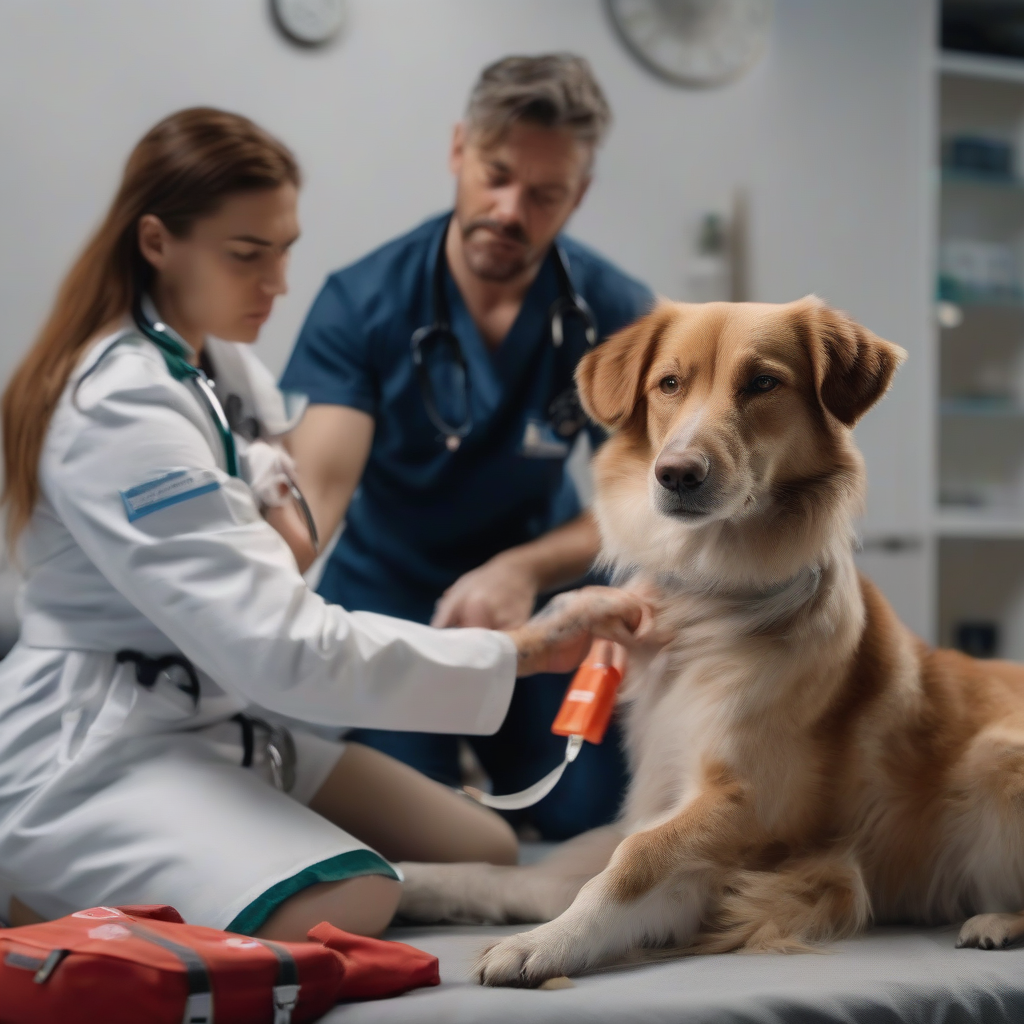
Discover the types of burns your dog can suffer, the 5 insidious neurophysiological effects these burns create in the brain and body, and lifesaving emergency intervention strategies in this comprehensive guide. We shed light on the dangers behind forgotten household accidents from a scientific perspective.

Discover the neurobiological signals of hidden stress your newly adopted cat experiences during adaptation to a new social environment. This article reveals 5 insidious signs of your cat's silent struggle and scientific strategies for peaceful, long-term harmony.

Your dog's anal sacs, located beneath the tail, can be hidden alarm bells often overlooked but profoundly affecting their quality of life. In this article, you will discover the 5 insidious neurobiological effects of anal sac problems on the brain and the lifesaving care secrets you need to know for your furry friend to live a peaceful life.
While every new beginning is exciting, adapting to a new home can be a significant source of stress for dogs. This transition period can lead to sudden and unexpected changes in your companion's behavior. However, understanding the scientific mechanisms behind these reactions is key to helping your dog navigate this process more smoothly. At WikiPet, we've compiled the 5 hidden neurobiological locks behind this challenging period and the scientific ways to unlock them.
As soon as your dog steps into a new home, their sensory world is completely transformed. The familiar scents, sounds, and visuals are replaced by a different perceptual map. This leads to increased activity in brain regions like the amygdala and hippocampus, which are involved in emotions and memory. Because the brain perceives the unknown as a potential threat, neurotransmitters (e.g., cortisol, adrenaline) that can trigger a 'fight or flight' response are released. This can result in your dog being more withdrawn, more alert, or overly sensitive to their surroundings.
Dogs are social creatures, and disruption to their established routines can cause tension in their bonds with family members. The process of navigating a new home, meeting new people, and re-establishing old 'pack' dynamics affects the neural mechanisms in your dog's brain for forming and maintaining social bonds. Especially in adopted dogs, past traumas or fears of abandonment can add to this anxiety, causing fluctuations in the levels of oxytocin (the bonding hormone) in the brain. This can lead to your dog experiencing more distress when left alone or separated from you.
Your dog's ability to understand the rules and expectations of their new home is related to brain plasticity (neuroplasticity). When trying to maintain habits or training from their previous environment, a conflict can arise between existing neural pathways and new stimuli. This can lead to undesirable behaviors, especially in dogs prone to 'instant decisions.' The brain tends to follow easy and familiar paths, so creating new and more challenging neural pathways can take time.
Different floor surfaces (carpet, wood, tile) and new living spaces can affect a dog's sense of balance and security. For a dog unaccustomed to hard surfaces, the soft or slippery surfaces of a new home can be confusing. The brain's proprioceptive system (the ability to perceive the body's position in space) may struggle to adapt to these new inputs. This can make your dog appear clumsier, hesitant to move, or avoid certain areas.
Moving to a new home can lead to changes in your dog's diet. Different food brands can cause sudden changes in the digestive system, which in turn can affect the brain-gut axis, leading to both physical and behavioral stress. Imbalances in the gut microbiota can affect neurotransmitter production, potentially making your dog more restless, less appetite, or experience stomach discomfort.
In conclusion, understanding your dog's new home stress is possible with patience, love, and scientific approaches. By unlocking these neurobiological keys, you can ensure your companion greets this new beginning more happily and harmoniously. Remember, being there for your dog every step of the way is the most crucial element in making them feel safe and at home.
