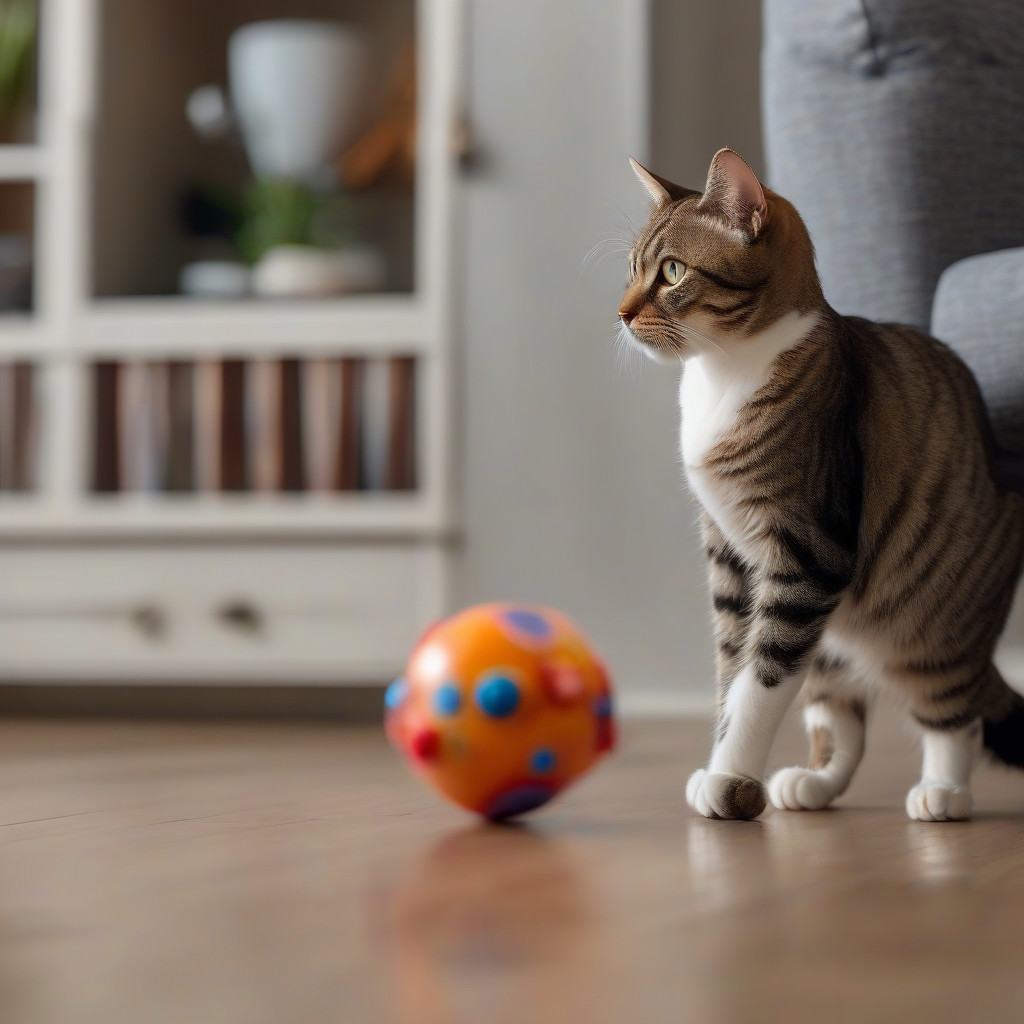
In this article, you will find comprehensive information about the scientific foundations of the predatory instinct in indoor cats, the neurocognitive effects of its non-fulfillment, and strategies to achieve behavioral balance.


Discover the types of burns your dog can suffer, the 5 insidious neurophysiological effects these burns create in the brain and body, and lifesaving emergency intervention strategies in this comprehensive guide. We shed light on the dangers behind forgotten household accidents from a scientific perspective.

Discover the neurobiological signals of hidden stress your newly adopted cat experiences during adaptation to a new social environment. This article reveals 5 insidious signs of your cat's silent struggle and scientific strategies for peaceful, long-term harmony.

Your dog's anal sacs, located beneath the tail, can be hidden alarm bells often overlooked but profoundly affecting their quality of life. In this article, you will discover the 5 insidious neurobiological effects of anal sac problems on the brain and the lifesaving care secrets you need to know for your furry friend to live a peaceful life.
Deep within your beloved feline friend lies a complex neural network inherited from their ancestors, centered around hunting. For indoor cats, this innate predatory instinct often clashes with the limitations of modern life. This conflict not only leads to superficial behavioral problems but can also trigger insidious mechanisms that profoundly affect your cat's neurocognitive well-being. So, what happens when your cat's "secret hunter brain" is not satisfied, and how can we address this with scientific approaches?
Cats are apex predators, perfectly adapted over millions of years to hunt for survival. Hunting behavior is not just an act of obtaining food; it's a complex neurobiological process that triggers the release of neurotransmitters like dopamine and serotonin in their brains, creating feelings of reward and satisfaction. This process is reinforced by the cat's ability to focus, plan, act, and ultimately succeed. The predatory instinct is an indispensable drive for a cat's mental health.
A cat's hunting behavior is typically described as a "predatory sequence" consisting of four main stages: orienting/stalking, pouncing, killing bite, and consuming. This sequence is strongly present even in domestic cats. Each stage activates specific brain regions and is associated with unique chemical rewards. For instance, a successful pounce or attack creates a wave of satisfaction in the cat's brain. Completing this cycle allows the cat to feel its natural needs are met, supporting its inner peace.
In indoor cats, the inability to fulfill the predatory instinct through natural means can lead to various neurocognitive and behavioral problems in the long term. This situation can lower your cat's overall well-being and negatively impact its quality of life.
When the predatory drive is constantly suppressed or cannot be expressed, a cat's brain can enter a state of chronic stress. This can lead to consistently high levels of stress hormones like cortisol. Elevated cortisol levels negatively affect the cat's nervous system, causing anxiety disorders, excessive grooming (psychogenic alopecia), and can even exacerbate vet visit stress as discussed in Your Cat's Hidden Mind Map: 5 Neurocognitive Secrets and Scientific Strategies to Conquer Vet Visit Stress.
Excess energy and an unfulfilled predatory drive can lead cats to display destructive behaviors. This might manifest as scratching household items, damaging furniture, excessive nocturnal vocalization, or exhibiting unwanted behaviors towards owners. The cat attempts to release this energy through alternative channels because it cannot control its natural hunting urge.
Incomplete predatory sequence creates tension and frustration in cats. This can lead to a behavior known as redirected aggression towards other pets or humans. The cat may redirect its internal tension towards a nearby target. This can also cause misinterpretation of communication signals, as explained in our article Your Cat's 'Secret Communication Codes': 5 Neurocognitive Signals in Body Language and the Art of Mastery.
In some cats, an unfulfilled predatory drive can lead to apathy rather than hyperactivity. The cat may become uninterested, lethargic, and avoid playing or interacting with its environment. This condition is associated with insufficient stimulation of the brain's reward system and significantly diminishes the cat's quality of life.
Chronic stress and anxiety can trigger physiological health problems in cats, such as urinary tract infections, stress-induced cystitis (FIC), and a weakened immune system. Mental well-being and physical health are directly intertwined in cats. Remember, sudden changes in your cat's behavior or physiological symptoms always require veterinary consultation.
Providing your cat with safe and structured opportunities to fulfill its inner hunter is key to supporting its neurocognitive health.
Organize short, intense play sessions several times a day using interactive toys (wand toys with feathers, not lasers, but those allowing physical capture and 'kill'). These sessions should mimic all stages of the predatory sequence and allow the cat to "catch" the prey for satisfaction. Toys should develop your cat's tracking, pouncing, and lunging abilities.
Arrange your cat's living space to stimulate its predatory instinct. As mentioned in Your Cat's Secret Sanctuary Guide: 5 Hidden Neurobiological Dangers of Vertical Spaces and Safe Height Secrets, vertical spaces (cat trees, shelves) offer opportunities for climbing and observing the environment. Additionally, you can transform mealtime into a hunting experience by using puzzle feeders. This enhances your cat's problem-solving skills and attention.
Cats are creatures of routine, and predictability reduces their stress levels. Making play sessions and feeding times consistent ensures your cat knows when it will have hunting opportunities, making the anticipation less stressful.
If your cat's behavioral problems persist, seeking help from a veterinarian or a certified feline behaviorist is crucial. Experts can assess your cat's behavioral history, identify root causes, and provide tailored strategies to rewire problem behaviors.
Understanding the hunter within your cat and fulfilling this fundamental instinct through safe and appropriate means is key to ensuring both its mental and physical well-being. These approaches will help your cat lead a happier, healthier, and more balanced life.
