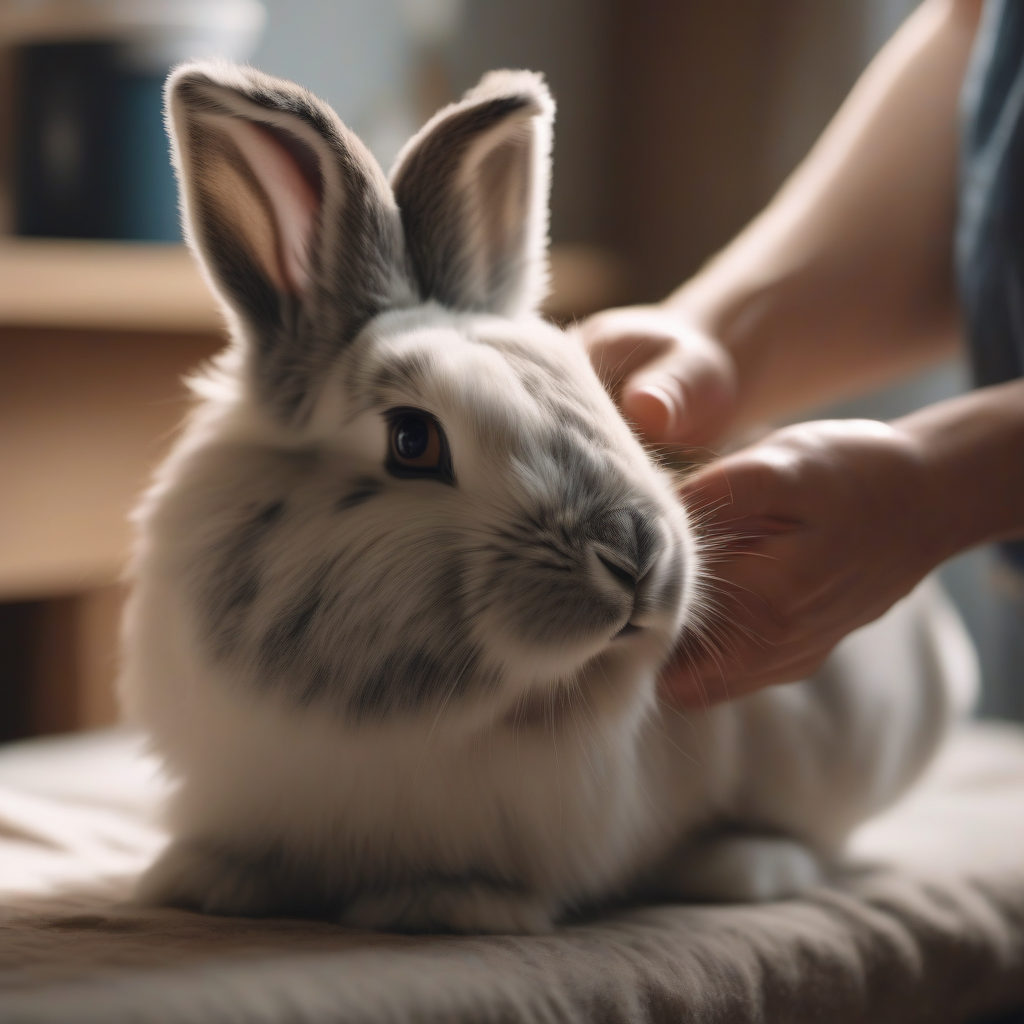
In this article, you will discover the neurobiological secrets behind your rabbit's shedding cycle and scientific brushing techniques to create a healthy, stress-minimizing grooming routine.


Discover the types of burns your dog can suffer, the 5 insidious neurophysiological effects these burns create in the brain and body, and lifesaving emergency intervention strategies in this comprehensive guide. We shed light on the dangers behind forgotten household accidents from a scientific perspective.

Discover the neurobiological signals of hidden stress your newly adopted cat experiences during adaptation to a new social environment. This article reveals 5 insidious signs of your cat's silent struggle and scientific strategies for peaceful, long-term harmony.

Your dog's anal sacs, located beneath the tail, can be hidden alarm bells often overlooked but profoundly affecting their quality of life. In this article, you will discover the 5 insidious neurobiological effects of anal sac problems on the brain and the lifesaving care secrets you need to know for your furry friend to live a peaceful life.
Rabbits are adorable and sensitive creatures, but their care goes far beyond just providing food and water. Especially shedding periods can be challenging for both you and your rabbit. In this article, we will delve into the depths of your rabbit's shedding cycle, decipher the neurobiological secrets behind this biological process, and explore scientific brushing techniques to establish a healthy, stress-minimizing grooming routine. Remember, proper care directly affects not only their appearance but also your rabbit's overall well-being and mood.
A rabbit's shedding cycle is far more complex than a simple seasonal change; it's a neurobiological symphony managed by the body's internal systems. This process requires a delicate balance between hormones, the nervous system, and environmental factors.
Shedding in rabbits is intimately linked to hormonal mechanisms governed by the hypothalamus. Melatonin, a hormone secreted in response to light cycles, influences the transition of hair follicles from the growth phase to the resting phase. Thyroid hormones also play a critical role in hair growth and shedding. Imbalances in these hormones can lead to abnormal hair loss. Seasonal light changes affect the hypothalamus-pituitary-thyroid axis, causing changes in gene expression in hair follicles and initiating the shedding process. Maintaining this hormonal balance is crucial for optimal fur health.
The growth (anagen), transition (catagen), and resting (telogen) phases of hair follicles are closely related to the body's energy status and stress levels. High stress levels increase cortisol secretion, which can accelerate shedding by pushing hair follicles into the resting phase prematurely. This is the scientific explanation for why rabbits shed more in stressful environments or during sudden changes. Chronic stress degrades fur quality and weakens the skin's barrier function, predisposing to skin infections. Therefore, reducing your rabbit's stress level is essential for a healthy shedding cycle. You can find more information on stress management in our article Your Rabbit's 'Fear Map': 5 Neurocognitive Secrets to Reducing Vet Visit Stress and Scientific Training Protocols!.
During shedding periods, rabbits may experience increased itching and discomfort. These sensations are regulated by neuropeptides transmitted to the brain via nerve endings in the skin. Mediators like substance P and histamine can increase the sensation of itching, while neuropeptides such as endorphins and serotonin can be released through tactile stimuli like brushing or petting, providing relief and comfort. Correct brushing techniques help trigger the release of these comforting neuropeptides, helping your rabbit feel better.
Grooming is more than just removing dead fur; it's a neurocognitive way to build a strong bond with your rabbit. Regular and gentle touches can trigger the release of oxytocin in the rabbit's brain. Oxytocin is a "love hormone" associated with social bonding and trust. The release of this hormone helps your rabbit perceive you as a safer figure and deepens its relationship with you. In this context, grooming sessions are vital for your rabbit's mental and emotional well-being. You can gain further insights from our article Your Rabbit's 'Trust Algorithm': 5 Neurobiological Secrets to Deep Bonding with Humans and Scientific Approaches!.
Your rabbit's fur quality is directly linked to blood flow, sebaceous gland activity, and follicular nutrition, all controlled by the autonomic nervous system. Increased parasympathetic activity, meaning the rabbit is relaxed, improves microcirculation in the skin and allows more nutrients to reach the hair roots. This contributes to fur that is shinier, stronger, and more elastic. Poor nutrition or chronic stress can disrupt this balance, leading to dull, brittle fur and excessive shedding. Explore the scientific secrets of fur texture in our content Your Rabbit's Secret 'Fur Texture' Codes: 5 Scientific Secrets for Healthy Fur You Never Knew!.
Brushing is a natural necessity for a rabbit and, with the right approach, can be transformed into a stress-reducing experience.
Brush selection should be made according to your rabbit's fur type and skin sensitivity. Soft-tipped, fine-toothed brushes or special grooming gloves can be preferred. An ergonomic brush ensures a comfortable grip for you, making sessions more efficient.
Choose a quiet, dim, and calm environment for grooming sessions. Avoid loud noises, sudden movements, and other pets. Ensure your rabbit is on a non-slip surface where it can relax. This helps it feel secure.
Rabbits do not tolerate prolonged restraint. Keep grooming sessions short (5-10 minutes) but regular. This helps your rabbit code this routine as a positive habit. Consistency is key for neurocognitive learning and behavioral balance. You can learn more about your rabbit's comfort zone in our content Your Rabbit's Hidden 'Boundary Lines': 5 Neurocognitive Secrets and Scientific Approaches to Protecting Their Comfort Zone.
After each session or during the session, give your rabbit a favorite treat (a small piece of fresh vegetable or herb). Gentle strokes and a calm tone of voice also serve as positive reinforcement. This helps them associate grooming with a positive experience.
Observe your rabbit's body language closely. If you see signs of stress such as tension, flattened ears, teeth grinding, or rapid breathing, stop the session immediately. Every rabbit has personal boundaries, and understanding them is vital for a trusting relationship.
Taking extra precautions during intense shedding periods is key to maintaining your rabbit's health.
Your rabbit's diet is critical for a healthy shedding cycle and digestive system. High-quality hay (like timothy hay) increases fiber intake. Fiber regulates bowel movements, helping ingested fur pass naturally and preventing hairball formation. In our article The Secret Codes of Your Rabbit's Gut Microbiome: 5 Insidious Dietary Triggers and a Digestive Health Revolution!, you can explore the effects of nutrition on digestive health in more detail.
Adequate water intake is indispensable for overall health and digestive functions. During shedding periods, sufficient hydration helps ingested fur pass more easily through the digestive system. Ensure your rabbit always has access to fresh, clean water.
Rabbits self-groom by licking themselves and ingest fur in the process. Especially during shedding periods, ingested fur can accumulate in the digestive system, leading to life-threatening hairballs (GI stasis). Regular brushing is the most effective way to reduce the amount of dead fur your rabbit ingests. You can also consider special hairball-preventing supplements recommended by your veterinarian.
Your rabbit's grooming ritual is not just an aesthetic concern; it's a critical process based on scientific principles for its physical and mental health. Understanding the neurobiological mechanisms behind the shedding cycle and applying scientific brushing techniques will strengthen the bond between you and your rabbit, helping it lead a happier, healthier, and less stressed life. Remember, a sensitive approach to your rabbit's needs is the most important investment in its welfare.
