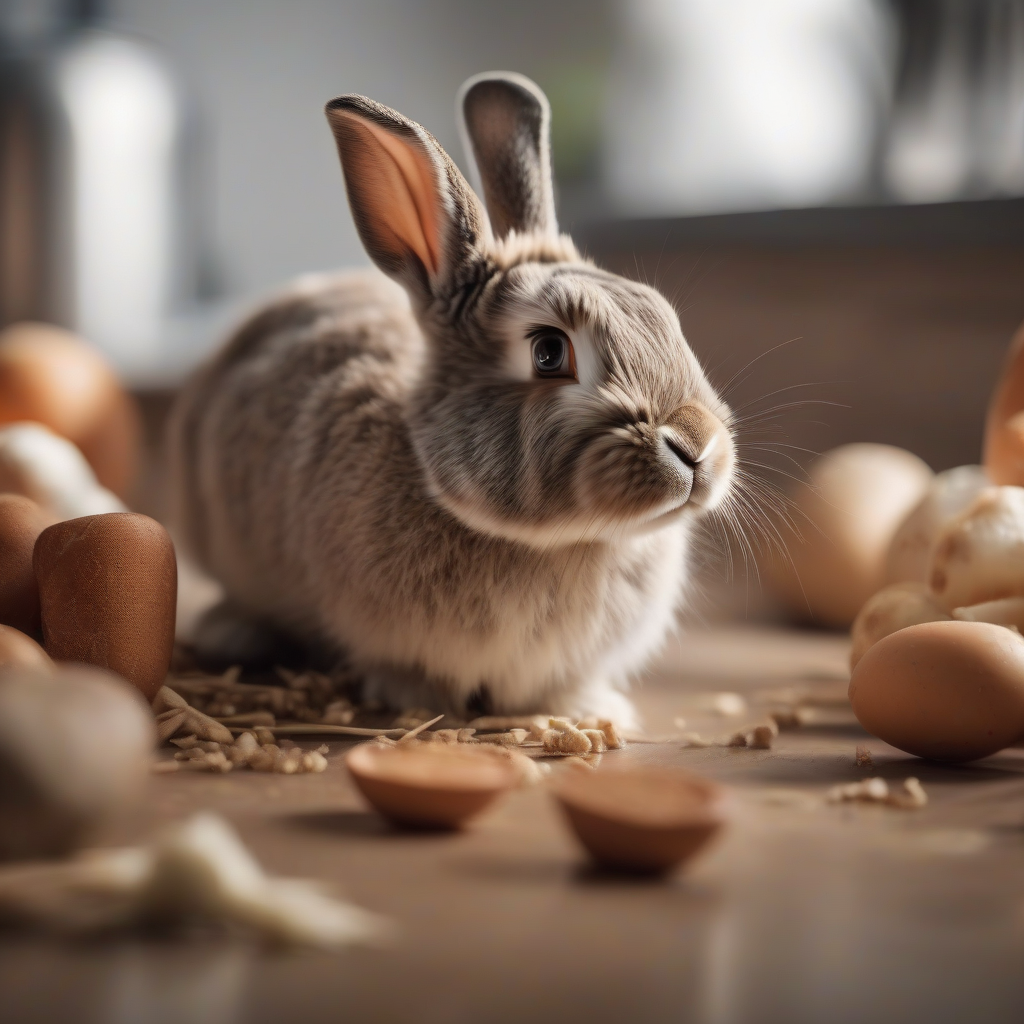
The health of your rabbit's gut microbiome is critical for their overall well-being. In this article, discover 5 insidious dietary triggers that can negatively impact gut health and scientific strategies to improve digestive wellness.


Discover the types of burns your dog can suffer, the 5 insidious neurophysiological effects these burns create in the brain and body, and lifesaving emergency intervention strategies in this comprehensive guide. We shed light on the dangers behind forgotten household accidents from a scientific perspective.

Discover the neurobiological signals of hidden stress your newly adopted cat experiences during adaptation to a new social environment. This article reveals 5 insidious signs of your cat's silent struggle and scientific strategies for peaceful, long-term harmony.

Your dog's anal sacs, located beneath the tail, can be hidden alarm bells often overlooked but profoundly affecting their quality of life. In this article, you will discover the 5 insidious neurobiological effects of anal sac problems on the brain and the lifesaving care secrets you need to know for your furry friend to live a peaceful life.
Rabbits are known for their sensitive digestive systems. Their gut microbiome has a profound impact on their overall health, immune system, and even mood. However, this complex ecosystem can easily be disrupted by certain insidious dietary triggers unknowingly introduced into their diet. In April 2026, we will delve into 5 critical nutritional secrets you need to know to optimize your rabbit's gut health and prevent potential issues.
Many commercial rabbit foods contain a high proportion of starch to reduce costs and improve palatability. This starch rapidly converts to glucose in the rabbit's digestive tract, causing sudden spikes in blood sugar levels. This condition disrupts the balance of beneficial bacteria in the gut, paving the way for the proliferation of harmful bacteria.
Scientific Impact: High glucose levels negatively affect the health of intestinal epithelial cells, reducing absorption and leading to inflammation. This increases the risk of GI stasis, especially in young rabbits or those with digestive sensitivities. We delve into this topic in more detail in our article Your Rabbit's 'Hidden Food Locks': 5 Insidious Feed Secrets Jeopardizing Digestive Health and Solutions!.
Treats like jam, fruit juices, some grain-based products, and even excessive fruit consumption are high in sugar and simple carbohydrates for rabbits. These types of foods cause excessive fermentation in the rabbit's gut. The gases released during fermentation can lead to bloating, discomfort, and potentially life-threatening bloat.
Scientific Impact: Excessive fermentation lowers gut pH, inhibiting the growth of beneficial bacteria and allowing pathogenic bacteria like Clostridium to thrive. This imbalance not only disrupts digestion but also has detrimental effects on overall health.
A quality rabbit diet must be high in fiber. Herbivorous rabbits' digestive systems are specifically designed to digest fiber and regulate intestinal motility. Low-fiber feeds, especially pellets and processed foods, can cause the rabbit's digestive system to become sluggish.
Scientific Impact: Insufficient fiber intake slows down peristaltic movements in the intestines. This leads to the slower passage of feces through the gut and excessive water absorption, resulting in hard stools and constipation. In the long term, this increases the risk of GI stasis. In our article Your Rabbit's 'Silent Gut Paralysis': Hidden Neurobiological Triggers of GI Stasis and Lifesaving Scientific Solutions!, we take a deeper look at this serious condition.
While the role of fat in a rabbit's diet is often overlooked, certain types of fats can have adverse effects on gut health. Specifically, some saturated or trans fats found in processed feeds can trigger inflammatory responses in a rabbit's digestive system.
Scientific Impact: Inflammatory triggers can compromise the integrity of the gut barrier, leading to 'leaky gut' syndrome. This reduces nutrient absorption, weakens the immune system, and contributes to systemic inflammation. Our article Your Rabbit's Hidden 'Protein Traps' in the Food Bowl: 5 Insidious Nutritional Secrets Triggering 'Silent Inflammation' and Strategies to Strengthen Your Digestive Shield! offers insights into how fats, in addition to protein, can trigger inflammation.
Although rabbits are herbivores, they may require more protein during growth or pregnancy. However, excessive protein intake, especially from poor-quality sources, can lead to a buildup of nitrogenous waste in the gut and the proliferation of harmful bacteria. This can place an additional burden on the kidneys and cause imbalances in the digestive system.
Scientific Impact: The digestion of excess protein leads to the formation of more toxic byproducts like ammonia. These toxins can irritate the intestinal lining and negatively affect liver and kidney health in the long term. Ensuring the correct protein level and quality, as highlighted by research such as Your Fish's Hidden Enzyme Factory: 5 Scientific Secrets of Proteases in Food Shaping Digestion and Neurocognitive Well-being!, helps us understand its importance for overall digestive health.
Optimizing your rabbit's gut health is the foundation for them to lead a long, healthy, and happy life. By understanding these hidden dietary triggers and implementing scientific feeding strategies, you can keep your furry friend's digestive system strong.
