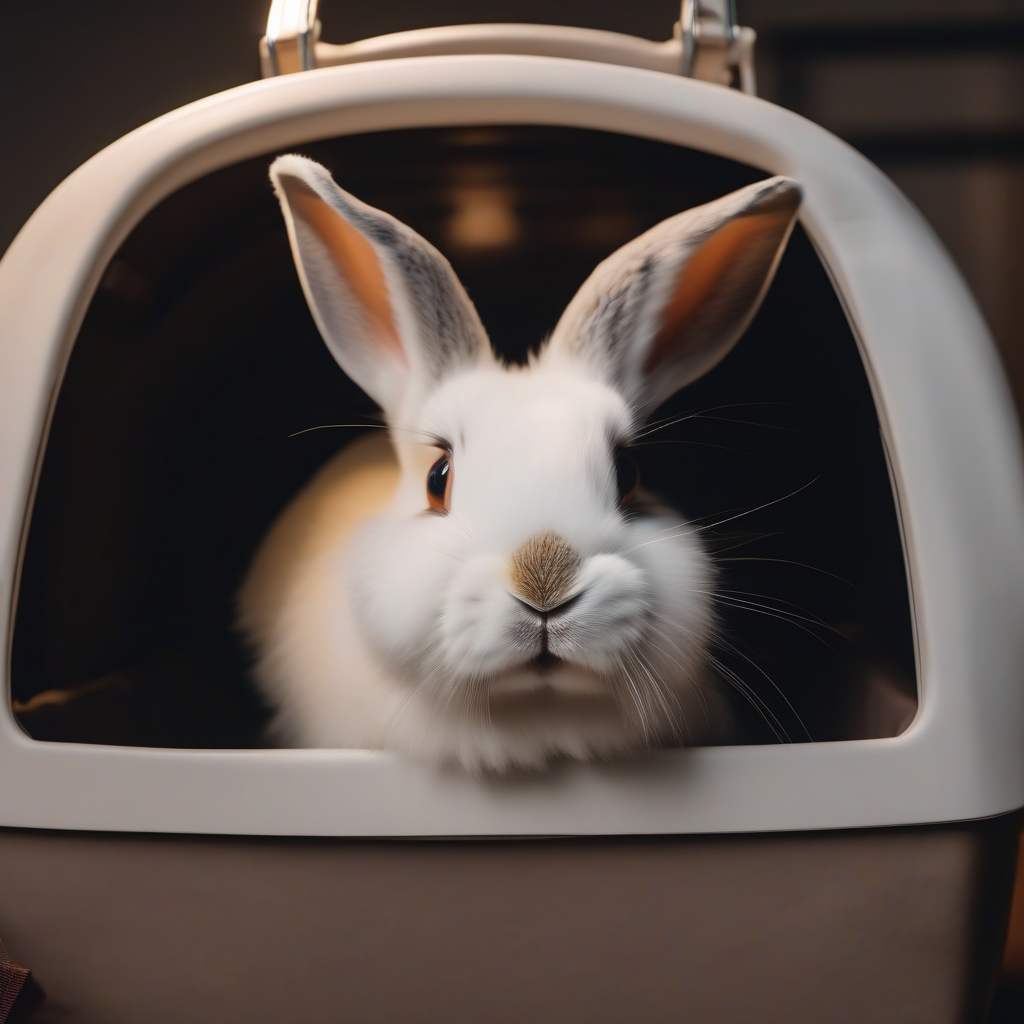
In this article, you will discover how to understand the stress your rabbit experiences during vet visits and how to reduce it with neurocognitive science-backed training protocols.

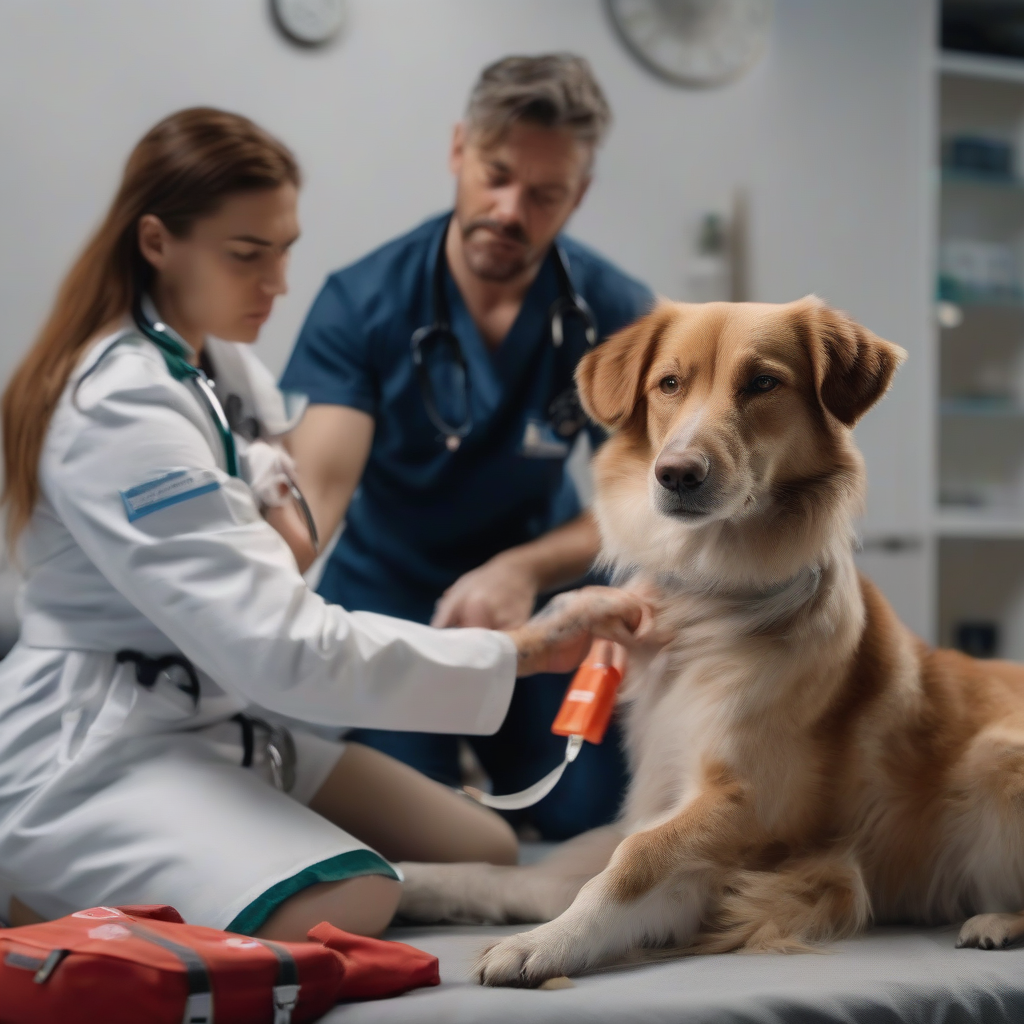
Discover the types of burns your dog can suffer, the 5 insidious neurophysiological effects these burns create in the brain and body, and lifesaving emergency intervention strategies in this comprehensive guide. We shed light on the dangers behind forgotten household accidents from a scientific perspective.

Discover the neurobiological signals of hidden stress your newly adopted cat experiences during adaptation to a new social environment. This article reveals 5 insidious signs of your cat's silent struggle and scientific strategies for peaceful, long-term harmony.

Your dog's anal sacs, located beneath the tail, can be hidden alarm bells often overlooked but profoundly affecting their quality of life. In this article, you will discover the 5 insidious neurobiological effects of anal sac problems on the brain and the lifesaving care secrets you need to know for your furry friend to live a peaceful life.
Rabbits are prey animals by nature, and this deeply influences how they perceive and react to threats in their environment. A veterinary clinic, for them, is a potentially frightening place full of unpredictable smells, sounds, and unfamiliar people. This situation can be a major source of stress not only for your rabbit but also for you, potentially leading to neglected necessary health check-ups. But don't worry! Science offers us unique insights to decipher your rabbit's 'fear map' and make vet visits less traumatic. In this article, illuminated by the latest neurocognitive research as of April 2026, we will discover 5 hidden secrets and step-by-step scientific training protocols that will zero out your rabbit's stress.
When rabbits encounter stressful situations, their brains rapidly produce a series of chemical and electrical responses. At the core of these responses are the primitive brain regions responsible for emotion processing and fear conditioning.
The amygdala, located in the rabbit's brain, is the primary structure that processes the perception of fear and threat. When a danger is perceived (such as an unfamiliar scent in the vet clinic, a sudden noise, or an attempt to pick up), the amygdala rapidly activates and triggers the body's "fight or flight" response. This manifests as an increased heart rate, accelerated breathing, and the release of stress hormones like cortisol. This can lead to behaviors such as your rabbit trembling, hiding, or becoming aggressive in the vet clinic.
The hippocampus plays a critical role in memory formation and spatial navigation. When rabbits experience a traumatic vet visit, this experience can be strongly encoded by the hippocampus. This can cause your rabbit to show signs of stress even when approaching the clinic or seeing their carrier. Negative experiences can strengthen neural connections, leading to the fear response becoming permanent. Our goal is to break these negative connections and build new, positive ones.
Science-backed strategies exist to reprogram your rabbit's brain and make vet visits more manageable.
Activating the reward circuits in your rabbit's brain is one of the most effective ways to suppress fear responses. Associating positive experiences with vet-related objects (like the carrier) or situations (the drive to the clinic) can alter your rabbit's brain chemistry to release dopamine. This makes previously perceived frightening stimuli, such as the vet clinic, more appealing. Each positive interaction weakens the fear pathways in your rabbit's brain while strengthening the pathways of happiness and relaxation. For deeper insight into this, you can refer to the article Your Dog's Secret 'Reward Circuits' in the Brain: 5 Neurological Secrets to Reprogramming Behaviors with Positive Reinforcement!; the core principles apply to rabbits as well.
This technique involves gradually and controllably exposing your rabbit to the fearful stimulus (e.g., the carrier, vet clinic scent). Initially, simply place the carrier in a visible spot and allow your rabbit to get used to its presence. Then, create a positive association by placing treats inside or putting their food near the carrier. Ensure your rabbit is comfortable at each step and never force them. This process reduces the amygdala's perception of threat while minimizing the release of stress hormones like cortisol.
Synthetically formulated pheromones specifically for rabbits can stimulate the olfactory centers in the brain, creating a calming effect. These pheromones mimic the calming signals naturally released by rabbits. Spraying these pheromone sprays into the carrier or your car before heading to the clinic can help your rabbit perceive the environment as safer. For the profound effects of scent perception on rabbit welfare, you can read our article Your Rabbit's 'Hidden Scent Map': 5 Neurobiological Effects of Scent Signals in Their Living Space and Scientific Strategies to Maximize Welfare!.
The carrier is a necessity for vet visits, but it can also be a source of fear. Integrate the carrier into your rabbit's home living space. Leave its door open, place comfortable bedding and their favorite toys inside. Allow your rabbit to enter and exit the carrier voluntarily. This helps them code the carrier not as a threat but as a safe sanctuary. For the neurobiological effects of safe spaces on rabbit behavior, you can refer to our article Your Rabbit's 'Hidden Space Stress': 5 Unknown Neurobiological Effects of Cage Substrate and Scientific Principles Triggering Welfare!.
Getting your rabbit accustomed to gentle touching and holding significantly reduces the stress they experience during vet examinations. Conduct this training in short, positive, and reward-filled sessions. By reprogramming your rabbit's trust algorithm, you can help them perceive physical contact not as a threat but as a sign of security. You must be patient and consistent, especially to break your rabbit's resistance to handling. This strengthens the neural pathways associated with touch in the brain and reduces stress.
Integrate these secrets into your daily routine to prepare your rabbit for vet visits:
Gentle and positive socialization starting at a young age helps your rabbit get used to different sounds, smells, and human interactions. This makes them more resilient to new situations, such as vet visits, in later life.
Rabbits are creatures of routine. Unexpected situations like vet visits can trigger stress. Try to schedule appointments at a consistent time and maintain your return-home routine. This predictability helps your rabbit's brain manage its cortisol response.
Your calmness during the trip to the vet helps your rabbit remain calm. Human stress levels can be transferred to animals through scent and behavior. Create a calm environment, use a soft tone of voice, and make your rabbit feel secure.
Overcoming your rabbit's fear associated with vet visits requires patience, consistency, and an approach based on neurocognitive principles. By implementing these strategies, you can make your rabbit's health check-ups less stressful and help them live a longer, happier life. As WikiPet, we are here with science-backed information to ensure your beloved pets have the best health.
