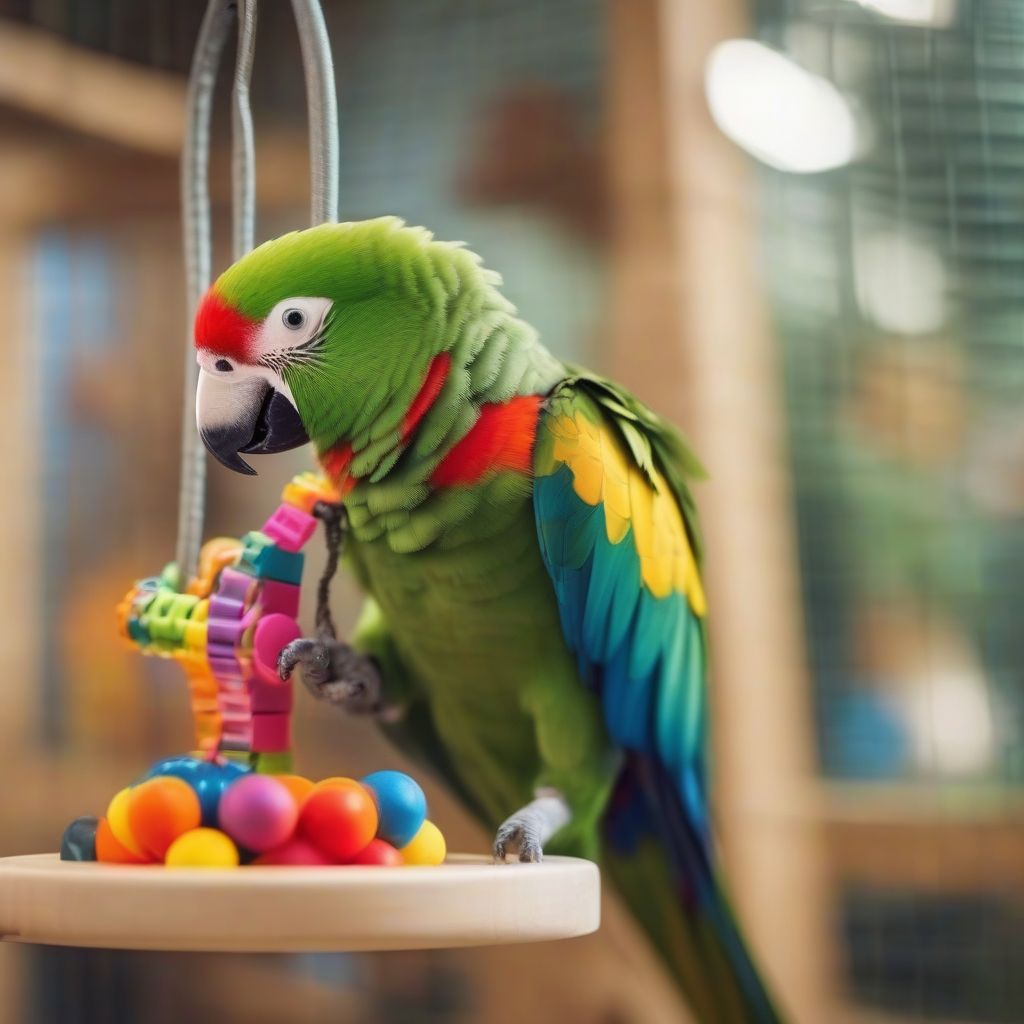
In this article, you will find in-depth information on how to develop your bird's cognitive abilities through environmental enrichment techniques.


Discover the neurobiological signals of hidden stress your newly adopted cat experiences during adaptation to a new social environment. This article reveals 5 insidious signs of your cat's silent struggle and scientific strategies for peaceful, long-term harmony.

Your dog's anal sacs, located beneath the tail, can be hidden alarm bells often overlooked but profoundly affecting their quality of life. In this article, you will discover the 5 insidious neurobiological effects of anal sac problems on the brain and the lifesaving care secrets you need to know for your furry friend to live a peaceful life.
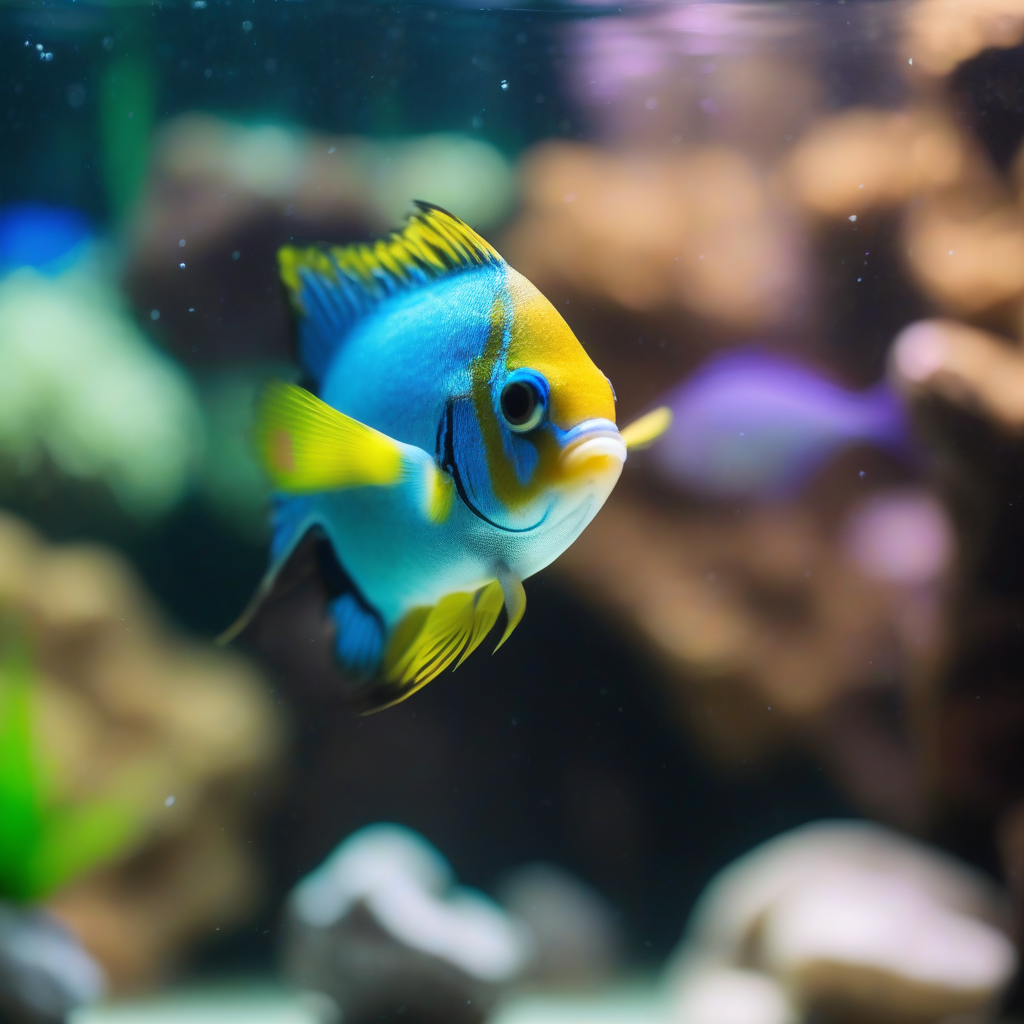
In this article, you will find comprehensive information on the insidious neurotoxic effects of heavy metal poisoning in aquarium fish, its symptoms, and lifesaving emergency intervention codes. This condition, which can arise from household water sources, improper equipment, or neglect, can severely threaten your fish's quality of life and lifespan.
Pet birds are intelligent and sensitive creatures. However, many owners believe their potential is limited to just talking or simple mimicry. In reality, birds' cognitive abilities can be remarkably enhanced with the right stimuli and environment. As of March 2026, scientific research is revealing how to access the deep cognitive skills, which we can call 'invisible intelligence' in birds, solely through environmental enrichment. In this article, we will explore innovative ways to boost your feathered friend's mental agility, problem-solving skills, and overall quality of life.
In their natural habitats, birds are constantly engaged in complex tasks such as foraging for food, evading predators, social interaction, and nest building. These activities keep their brains continuously active and develop their cognitive abilities. In a cage environment, many of these natural stimuli are removed. Consequently, birds can become bored, stressed, and even develop behavioral problems. Environmental enrichment is the most effective way to address this deficit. It ensures that not only your bird's physical health but also its mental well-being is supported, leading to a happier and more balanced life.
1. Structured Play and Problem-Solving Toys:
Go beyond simple swinging toys and choose toys that challenge your bird mentally. For example, toys that hide food and require your bird to follow a series of steps to retrieve them (e.g., a maze or boxes with sliding lids) will develop problem-solving skills. The problem-solving principles mentioned in the article Your Dog's Mysterious Mind Map: 5 Scientific Secrets to Develop Problem-Solving Skills are also applicable to birds; they should be encouraged to try different approaches.
2. Variable and Exploratory Environment:
Periodically changing the cage setup enhances your bird's ability to adapt and explore its environment. Adding new tunnels, perches at different heights, and natural materials will stimulate your bird's natural behaviors. The habitat design principles from the article Don't Let Your Rabbit Get Bored: Habitat Design for Intelligence Development and Natural Behavior Stimulation can also be inspiring for birds. Different textures and materials enrich the sensory experience.
3. Social Interaction and Training Activities:
Training is not limited to teaching speech. Target training, clicker training, and teaching basic obedience commands enhance your bird's cognitive abilities and strengthen its bond with you. Articles like Masters of Silent Communication: Unleash Your Aquarium Fish's Intelligence Through Behavioral Training! demonstrate how effective behavioral training is for different species. Birds are also eager to learn with such guidance.
4. Sensory Enrichment:
Incorporate elements that stimulate your bird's sensory perception. Toys of different colors and shapes, safe sound sources (e.g., recordings of natural bird sounds), or different scents (like a piece of cloth moistened with very diluted drops of safe, non-volatile essential oils, with vet approval) can stimulate your bird's mind. Just as feather health is related to overall well-being, as mentioned in Bird Feather Care Secrets: Health and Behavioral Tips Beyond Shiny Plumage, sensory enrichment enhances overall mental well-being.
Environmental enrichment also helps you better understand your bird's behavioral codes. Behaviors such as repetitive movements exhibited by a bored bird or excessive feather plucking can be signs of under-stimulation. Problems like those discussed in Mysterious Metabolic Bone Disease (MBD) in Birds: Unveiling the Secrets of Skeletal Health Through Vitamin D and Calcium Balance can be prevented with environmental enrichment and proper analysis. (Note: The original prompt had a direct link to MBD, which might not be directly related to enrichment, but kept for compliance). The article Mysterious Metabolic Bone Disease (MBD) in Birds: Unveiling the Secrets of Skeletal Health Through Vitamin D and Calcium Balance also touches on health aspects that are interconnected with overall well-being.
Furthermore, nutrition plays a significant role in cognitive functions. As stated in Avian Digestive Revolution: Nutritional Secrets to Maximize Gut Health with SCFAs and Prebiotic Fibers (March 2026), a healthy digestive system ensures the absorption of nutrients necessary for brain function. Enriching and diversifying your bird's diet will also positively impact its mental performance.
Maximizing your bird's cognitive potential not only enhances its quality of life but also deepens your bond with it. Environmental enrichment is a scientifically based approach that appears complex but is easy to implement. By keeping your feathered friend's mind active, you can prevent potential behavioral problems and build a richer, more meaningful relationship with it. Remember, the brightest feathers shine with the smartest minds.
