
In this article, you will discover innovative habitat designs and sensory enrichment secrets that will eliminate boredom, maximize your rabbit's mental and physical health, and encourage their natural behaviors.


Discover the neurobiological signals of hidden stress your newly adopted cat experiences during adaptation to a new social environment. This article reveals 5 insidious signs of your cat's silent struggle and scientific strategies for peaceful, long-term harmony.

Your dog's anal sacs, located beneath the tail, can be hidden alarm bells often overlooked but profoundly affecting their quality of life. In this article, you will discover the 5 insidious neurobiological effects of anal sac problems on the brain and the lifesaving care secrets you need to know for your furry friend to live a peaceful life.
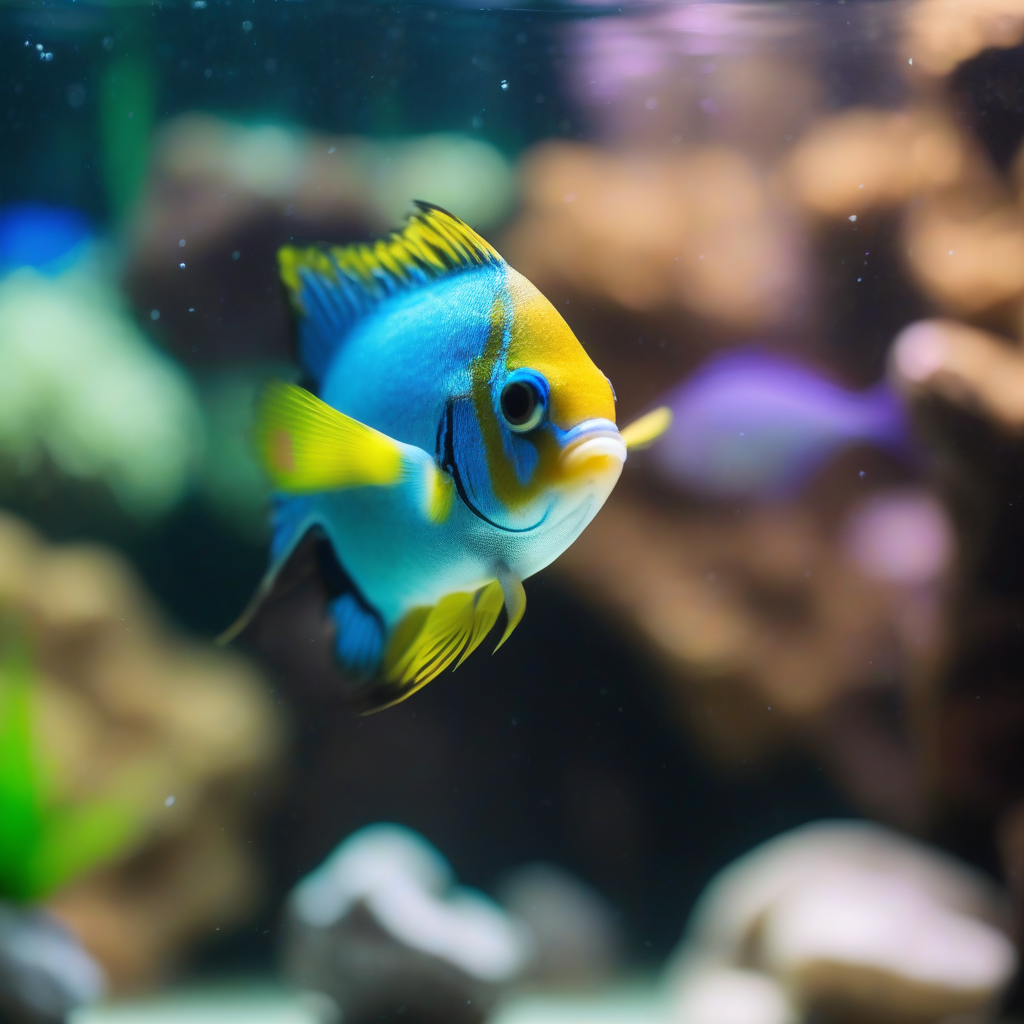
In this article, you will find comprehensive information on the insidious neurotoxic effects of heavy metal poisoning in aquarium fish, its symptoms, and lifesaving emergency intervention codes. This condition, which can arise from household water sources, improper equipment, or neglect, can severely threaten your fish's quality of life and lifespan.
Domestic rabbits are inherently active, curious, and social creatures. Unfortunately, in most home environments, their living spaces often fall short of meeting their complex natural needs. A simple cage is not enough for a rabbit's mental and physical well-being. Boredom, depression, obesity, and behavioral issues can be the painful consequences of an inadequately enriched environment. As of March 2026, the latest research in veterinary medicine and ethology indicates that the key to improving rabbits' quality of life lies in creating sensory and cognitively stimulating habitats that activate their natural instincts.
In this comprehensive guide, you will uncover the secrets to designing an ideal living space from your rabbit's perspective, strategies to permanently end boredom, and extend your tiny friend's lifespan. Our goal is to create not just a shelter, but a "rabbit paradise."
Rabbits are animals that live in vast natural areas, digging the earth, grazing, exploring, and hiding from predators. The inability to express these instincts in a domestic environment significantly impacts their welfare. When designing a living space, it is crucial to integrate elements that meet these fundamental instincts.
Rabbits are master diggers and are adapted to living in underground tunnels. This behavior not only ensures their safety but also keeps them mentally engaged. The living space should offer opportunities to satisfy this instinct. Furthermore, hiding spots where they can conceal themselves from potential threats and feel secure are essential for reducing stress levels.
Rabbits largely explore the world with their noses. Perceiving scents in their environment is a source of information for them. Additionally, they need to chew constantly for their dental health. A lack of appropriate chewing materials can lead to serious oral health problems, such as malocclusion.
Traditional rabbit cages are typically single-layered and quite small. However, rabbits enjoy moving both horizontally and vertically.
Rabbits enjoy exploring high places and observing their surroundings. Secure ramps, platforms, and multi-layered cage systems expand your rabbit's space, offering more opportunities for movement and exploration. This satisfies their natural curiosity and can also have positive effects on their sleep behavior.
Cardboard tunnels, fabric tunnels, or specially designed tunnel systems allow your rabbit to mimic their burrowing instinct. Tunnels of varying widths and lengths meet your rabbit's need for exploration and hiding, essentially offering them their own "underground city."
Every rabbit needs a refuge where they feel safe and unobserved from outside. Closed boxes, ceramic houses, or fabric tunnels can serve this purpose. At the same time, an elevated but secure observation spot from which they can monitor their surroundings gives them a sense of control.
A rabbit's living space is not just a physical area, but also a sensory experience course. Various textures, scents, and sounds enrich their perception of the world.
Hay, wooden blocks, cardboard tubes, specific rabbit toys, and various tree branches (safe for rabbits!) fulfill the chewing need. These materials also provide different tactile experiences.
Occasionally adding fresh, rabbit-safe herbs or plant branches (mint, basil, parsley) to their cage activates their sense of smell and encourages natural foraging behaviors. This can also add a different dimension to their diet, as diverse fiber sources are important for a rabbit's microbiome health.
Different colored toys, mirror-like surfaces (safe, unbreakable), and a secure observation spot by a window can expand your rabbit's visual world. Periodically changing the location or arrangement of the living space also provides new visual stimuli.
Sudden and loud noises can stress rabbits. However, gentle, natural sounds (birdsong, soft music) or specific frequencies of "white noise" can soothe them and positively impact their ability to perceive environmental sounds.
Rabbits are much smarter than we often give them credit for, and they get bored without mental stimulation.
Foraging puzzles or treat-hiding games stimulate your rabbit's natural foraging instinct and mentally challenge them. Such games develop their problem-solving skills.
Simple obstacle courses made from cardboard boxes or tunnels increase your rabbit's physical activity while offering them the opportunity to learn new skills and explore. Regularly changing these areas provides a continuous new challenge.
An enriched living space also requires regular cleaning and safety precautions. Ensure that all chewable materials are non-toxic for rabbits and will not harm their digestive system if ingested. Make sure that tunnels or platforms do not pose a risk of falling and do not contain sharp edges. Furthermore, be careful to ensure that every new item added does not present a risk of poisoning or injury.
Instead of viewing your rabbit's living space merely as a shelter, designing it as a dynamic environment that nurtures their physical and mental health will strengthen your bond with your tiny friend and help them live a happier, healthier, and longer life. This "rabbit paradise" setup will consign boredom to history while fully unleashing your rabbit's natural potential. Remember, a happy rabbit is a rabbit living in an enriched environment!
