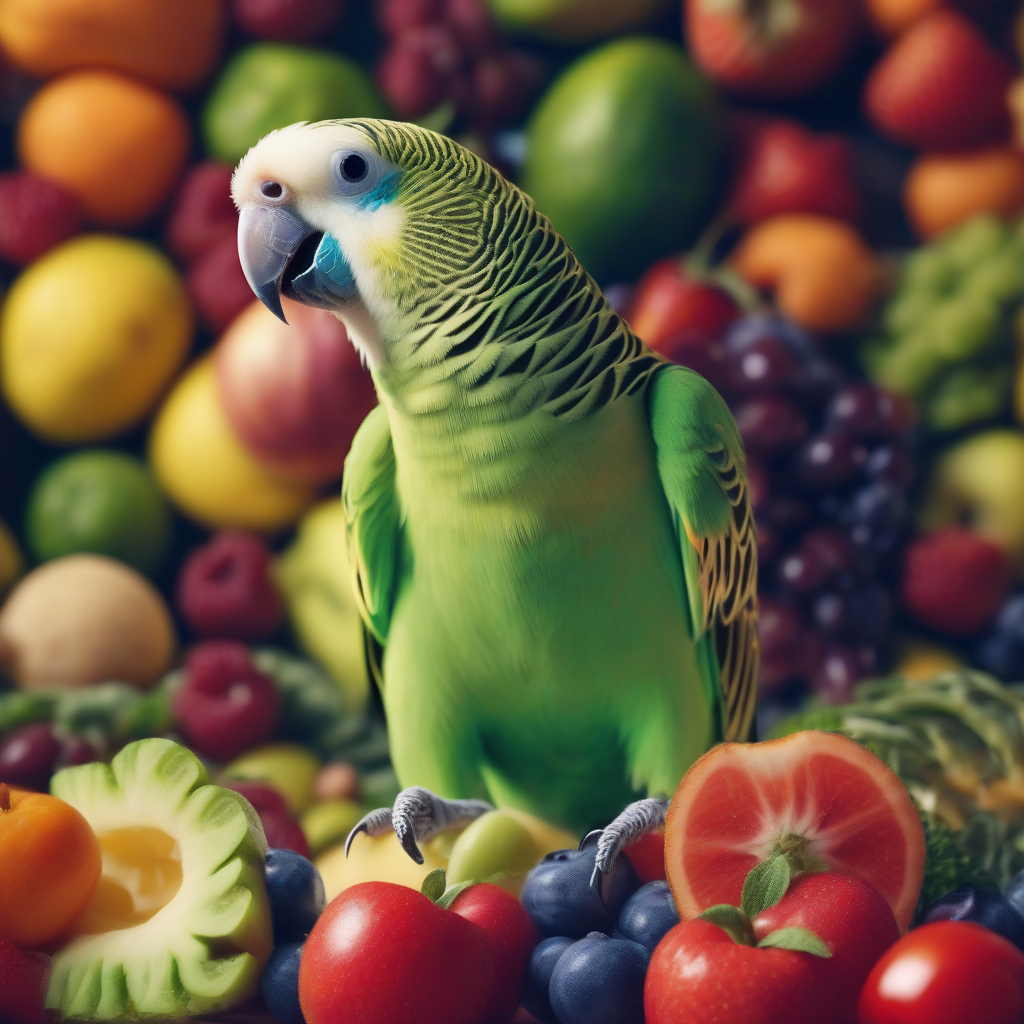
In this article, you will find comprehensive information about Mysterious Metabolic Bone Disease (MBD) in pet birds, a condition often overlooked yet severely impacting quality of life. We delve into the vital role of vitamin D and calcium balance, its symptoms, and preventive nutritional strategies.


Discover the neurobiological signals of hidden stress your newly adopted cat experiences during adaptation to a new social environment. This article reveals 5 insidious signs of your cat's silent struggle and scientific strategies for peaceful, long-term harmony.

Your dog's anal sacs, located beneath the tail, can be hidden alarm bells often overlooked but profoundly affecting their quality of life. In this article, you will discover the 5 insidious neurobiological effects of anal sac problems on the brain and the lifesaving care secrets you need to know for your furry friend to live a peaceful life.
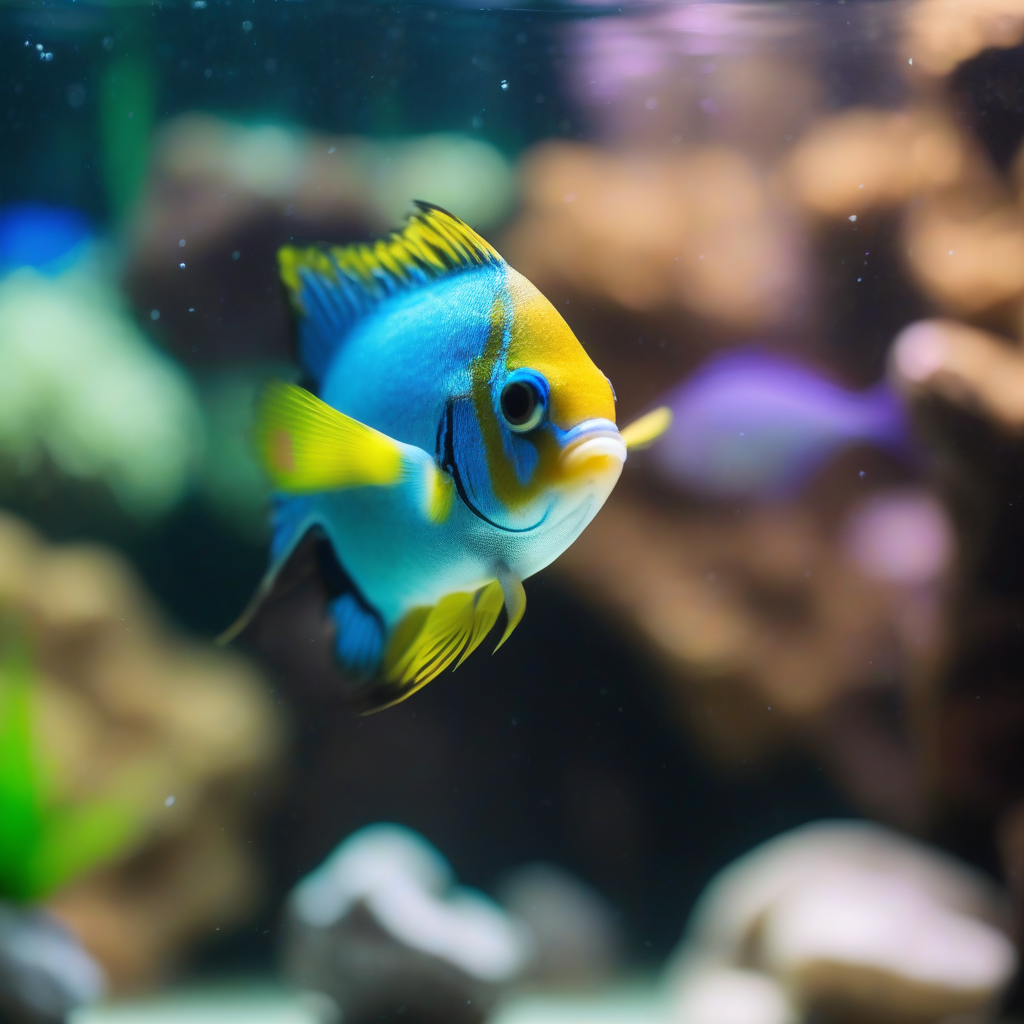
In this article, you will find comprehensive information on the insidious neurotoxic effects of heavy metal poisoning in aquarium fish, its symptoms, and lifesaving emergency intervention codes. This condition, which can arise from household water sources, improper equipment, or neglect, can severely threaten your fish's quality of life and lifespan.
Optimal nutrition is vital for pet birds to live a healthy and long life. However, one of the often-overlooked and seriously health-threatening hidden dangers is Metabolic Bone Disease (MBD), or colloquially, "Bone Weakness." In this in-depth guide, we will scientifically examine the causes, symptoms, and effects of MBD in birds, and most importantly, how to protect your feathered friend from this insidious disease by maintaining the complex balance between vitamin D and calcium.
MBD refers to a group of diseases where there are disturbances in the mineralization of the bird's skeletal system, typically resulting from imbalances in calcium, phosphorus, and vitamin D3. Inadequate or imbalanced nutrition, especially seed-heavy diets, and lack of natural sunlight are the most common triggers for this disease. Pet birds living indoors cannot synthesize vitamin D3 as effectively as those exposed to natural UV-B rays in their natural habitat. This directly impacts the development and health of their skeletal systems, potentially leading to irreversible damage in the long term.
The skeletal health of birds depends on the delicate balance between these three essential nutrients:
MBD symptoms can be mild initially and easily misinterpreted. However, as the disease progresses, symptoms become severe and can cause significant pain:
These symptoms can be directly related to hidden nutritional deficiencies from seed-only diets that the bird experiences, and are often a reflection of overall health.
Diagnosis: A veterinary professional can diagnose MBD through a physical examination, X-rays (for bone density and structural deformities), blood tests (for calcium, phosphorus, vitamin D3 levels), and a dietary history analysis. Early diagnosis is critical to halt the progression of the disease and prevent irreversible damage.
Treatment: In acute cases, immediate calcium supplementation (by injection or orally) may be necessary. Long-term treatment includes dietary correction (high-quality pellet-based, enriched with fresh vegetables and fruits), providing appropriate UV-B lighting, and veterinarian-controlled D3/calcium supplements. Pain management for the bird is also important throughout the treatment process. Behavioral issues such as the mysterious feather plucking syndrome can also arise as a result of chronic pain or stress caused by MBD and should be addressed alongside treatment.
The key to preventing MBD is taking proactive steps:
Conclusion
Mysterious Metabolic Bone Disease (MBD) in birds is a preventable but often overlooked serious health problem. Understanding the delicate balance of vitamin D3, calcium, and phosphorus, and implementing correct nutritional and environmental adjustments, will ensure your pet bird has healthy, strong bones and lives a long, quality life. Always consult your avian veterinarian if you have any doubts.
