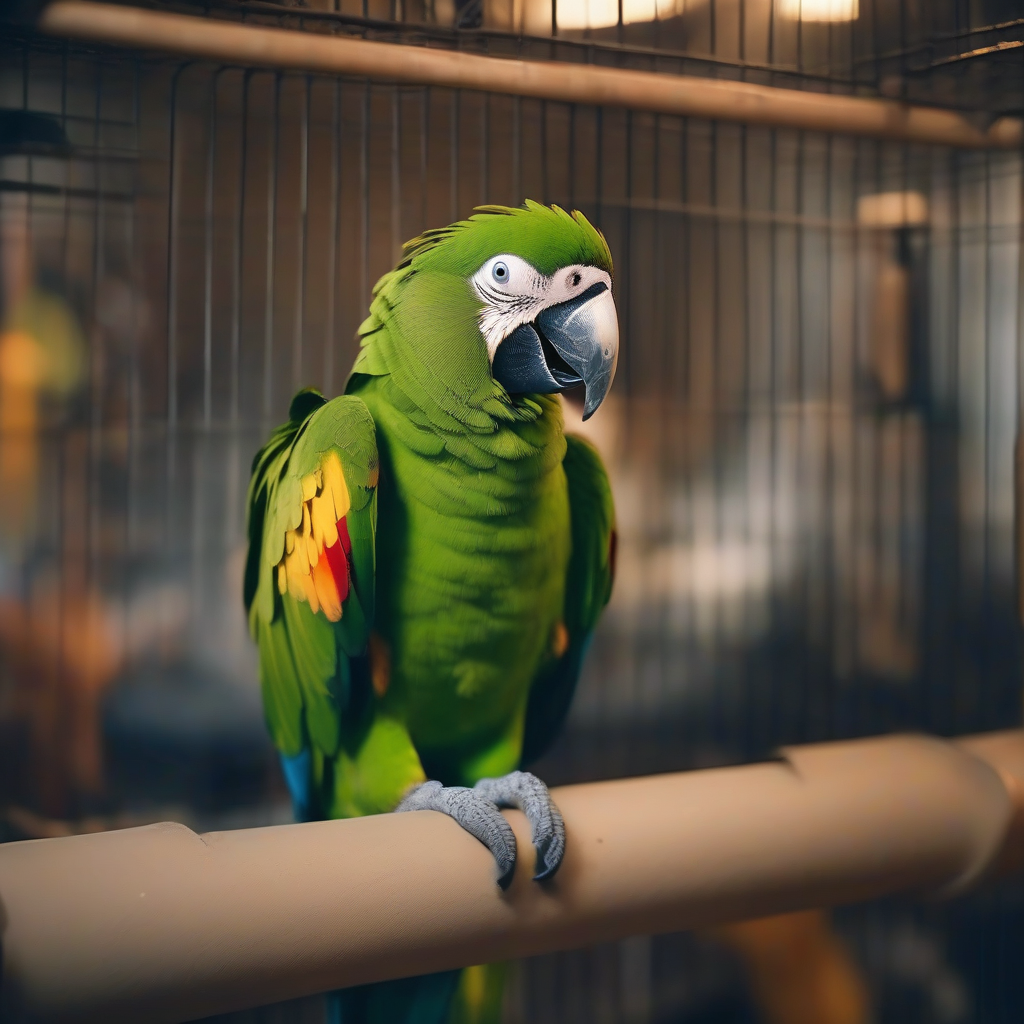
In this article, you will discover the mysterious causes, invisible triggers, and scientifically proven care strategies for feather plucking syndrome (plucking), a common and highly concerning issue for pet bird owners.


Discover the neurobiological signals of hidden stress your newly adopted cat experiences during adaptation to a new social environment. This article reveals 5 insidious signs of your cat's silent struggle and scientific strategies for peaceful, long-term harmony.

Your dog's anal sacs, located beneath the tail, can be hidden alarm bells often overlooked but profoundly affecting their quality of life. In this article, you will discover the 5 insidious neurobiological effects of anal sac problems on the brain and the lifesaving care secrets you need to know for your furry friend to live a peaceful life.
In this article, you will find comprehensive information on the insidious neurotoxic effects of heavy metal poisoning in aquarium fish, its symptoms, and lifesaving emergency intervention codes. This condition, which can arise from household water sources, improper equipment, or neglect, can severely threaten your fish's quality of life and lifespan.
Pet birds are wonderful companions that bring joy into our lives with their colorful feathers, vibrant personalities, and impressive intelligence. However, one of the most heartbreaking and challenging problems many bird owners face is feather plucking behavior. This mysterious syndrome goes beyond a mere aesthetic issue, posing serious risks to a bird's physical and mental well-being. In March 2026, understanding the invisible triggers behind this complex behavior and developing scientifically based care strategies is crucial to improving the quality of life for our beloved feathered friends.
Feather plucking (Ptilotillomania) is defined as a bird pulling out, chewing, or damaging its own feathers. Unlike normal molting, feather plucking typically manifests as patchy, irregular feather loss or completely bald areas. The mysterious aspect of this behavior is that there is no single cause; instead, it can arise from a complex interplay of medical, environmental, and behavioral factors. Understanding why your bird exhibits this behavior is the first step toward a successful treatment and care plan.
Feather plucking can lead to physical pain and an increased risk of infection for your bird. Open wounds invite bacterial or fungal infections, while continuous plucking can cause skin thickening and permanent feather loss. More importantly, this behavior often signals significant stress, anxiety, or distress. Birds may resort to plucking as a coping mechanism for stress, leading to a vicious cycle: stress causes plucking, and plucking causes more stress. Therefore, it's essential to approach this issue with a comprehensive understanding, as detailed in Your Bird's Silent Screams: Under-the-Wing Stress Signs and Hidden Emotional Needs.
The underlying causes of feather plucking syndrome span a wide range and require a detailed veterinary evaluation.
Approaching the feather plucking problem requires a multifaceted and patient strategy.
The first and most crucial step is to take your bird to an avian veterinarian. The vet will diagnose medical causes through methods like physical examination, blood tests, skin scrapings, or feather follicle analyses. If any medical issues are found, appropriate treatment will be initiated.
Make your bird's living space as natural and stimulating as possible:
Dealing with feather plucking syndrome is a long and patient process. Instead of expecting quick fixes, focus on a holistic approach to your bird's needs. Remember that every bird is an individual, and a solution that works for one bird may not be suitable for another. With regular veterinary check-ups, proper care practices, and plenty of love, you can help your bird lead a healthy and happy life.
