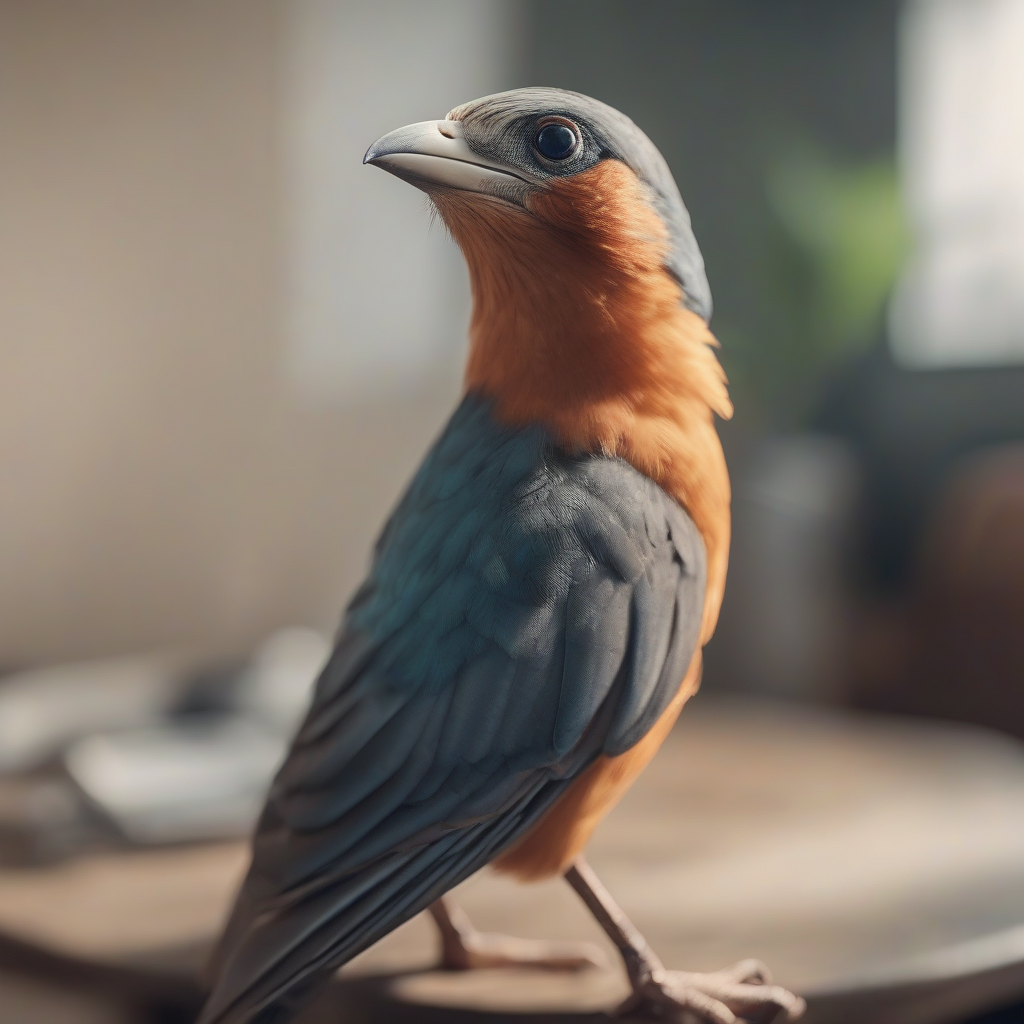
In this article, we explore the psychological and behavioral reasons why pet birds may avoid social interaction. Discover the secrets beneath their feathers and learn how to build a deeper bond with your avian friends.


Discover the neurobiological signals of hidden stress your newly adopted cat experiences during adaptation to a new social environment. This article reveals 5 insidious signs of your cat's silent struggle and scientific strategies for peaceful, long-term harmony.

Your dog's anal sacs, located beneath the tail, can be hidden alarm bells often overlooked but profoundly affecting their quality of life. In this article, you will discover the 5 insidious neurobiological effects of anal sac problems on the brain and the lifesaving care secrets you need to know for your furry friend to live a peaceful life.

In this article, you will find comprehensive information on the insidious neurotoxic effects of heavy metal poisoning in aquarium fish, its symptoms, and lifesaving emergency intervention codes. This condition, which can arise from household water sources, improper equipment, or neglect, can severely threaten your fish's quality of life and lifespan.
Pet birds are wonderful companions that bring joy and color to our lives with their vibrancy and interactions. However, sometimes, even during our most affectionate moments, some birds may tend to avoid social interaction. While this behavior might seem inexplicable at first glance, there are deep psychological and behavioral reasons underlying it. In this article, we will delve into this mystery beneath their feathers to understand why our tiny friends behave this way and how we can build a healthier relationship with them.
A bird's avoidance of social interaction cannot be attributed to a single cause. It is usually a complex situation arising from a combination of multiple factors. Understanding these reasons is the first step to implementing the correct intervention.
If your bird has experienced negative events in its past (e.g., mistreatment, sudden frightening incidents, separation trauma from a previous owner), this can profoundly shake its sense of security. These traumas can lead them to withdraw and avoid social interaction, especially when adapting to new environments or meeting new people. As mentioned in our previous article on adopting a new pet and the adaptation process, the adaptation process is different for every animal, and past experiences significantly influence this process.
Birds are highly sensitive to changes in their environment. The location of the cage, the ambient noise level, the presence of other pets, or changes in the household routine can cause stress in your bird. A state of chronic stress can lead them to seek solitary spaces for safety rather than engaging socially. Just as the importance of hidden spaces is highlighted in your rabbit's habitat, birds also need 'sanctuaries' where they feel safe. Excessive stimuli or uncertainty can drive them away from human interaction.
Birds, especially those who haven't had sufficient socialization opportunities at an early age, may not fully know how to interact with humans or other birds. This can lead to fear or a sense of not knowing what to do. This is related to learned or unlearned social skills, similar to some of the reasons underlying play biting in dogs. With proper guidance and patient training, these deficiencies can be addressed.
One of the most significant causes of behavioral changes is underlying health problems. A bird that is sick or uncomfortable may become more irritable, passive, or inclined to avoid social interaction. For example, a hidden infection, pain, or digestive discomfort can affect its overall mood and energy levels. Consider how hidden poisoning in aquarium fish affects their behavior; a similar situation applies to birds.
Like all living beings, birds have their own unique personalities and temperaments. Some birds are naturally more shy and observant, while others are more social and bold. If your bird's temperament is more calm and observant, it's important not to make them feel pressured by excessive social demands. Respecting their personality and allowing them to approach you at their own pace is key to building a secure bond.
If your bird is avoiding social interaction, there are steps you can take to address this. Patience and understanding are the most crucial elements in this process.
Remember, every bird is unique, and the bond you build with it will be based on mutual understanding and patience. Understanding this 'social avoidance' behavior beneath their feathers will open the doors to a deeper and more fulfilling relationship with your companion.
