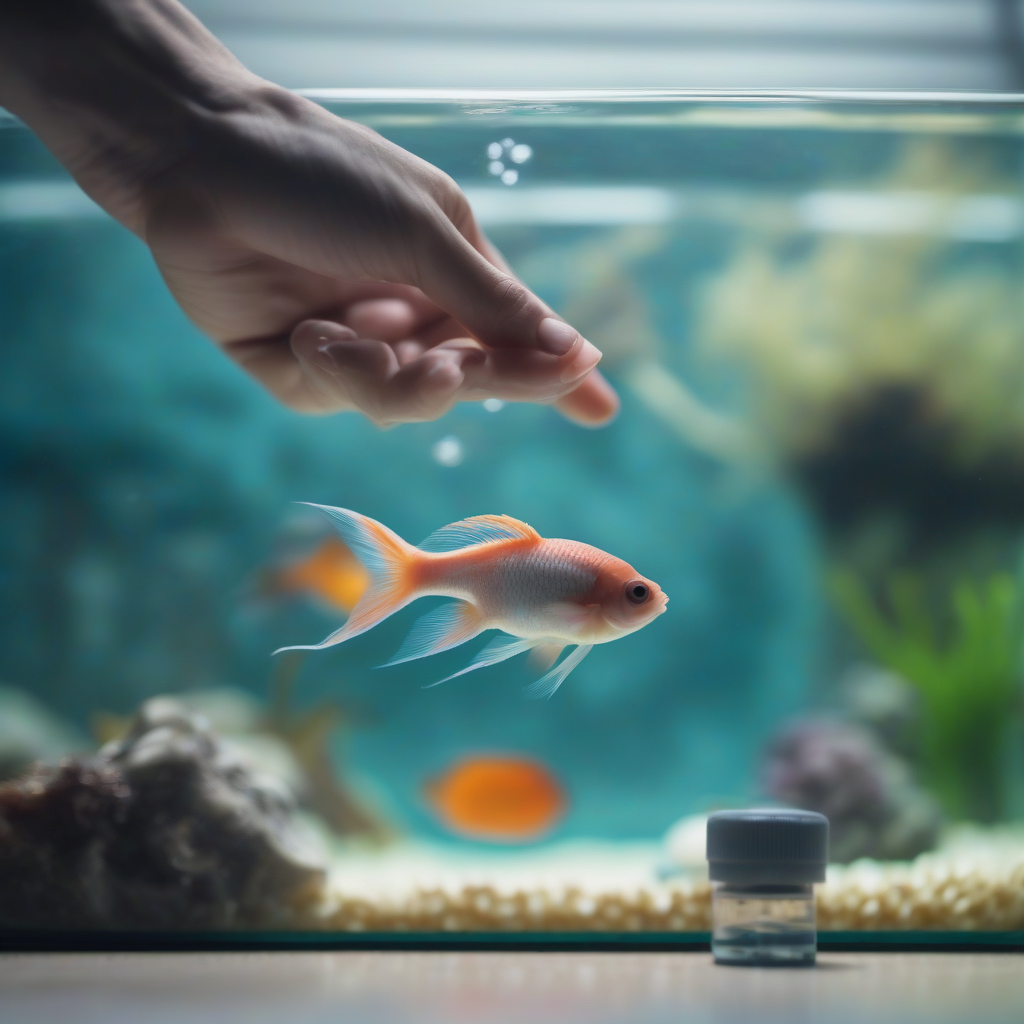
In this article, you will find comprehensive information on the causes, symptoms, and the most up-to-date life-saving first aid protocols for sudden poisoning and acute stress syndrome in aquarium fish in 2026.


Discover the neurobiological signals of hidden stress your newly adopted cat experiences during adaptation to a new social environment. This article reveals 5 insidious signs of your cat's silent struggle and scientific strategies for peaceful, long-term harmony.

Your dog's anal sacs, located beneath the tail, can be hidden alarm bells often overlooked but profoundly affecting their quality of life. In this article, you will discover the 5 insidious neurobiological effects of anal sac problems on the brain and the lifesaving care secrets you need to know for your furry friend to live a peaceful life.

In this article, you will find comprehensive information on the insidious neurotoxic effects of heavy metal poisoning in aquarium fish, its symptoms, and lifesaving emergency intervention codes. This condition, which can arise from household water sources, improper equipment, or neglect, can severely threaten your fish's quality of life and lifespan.
Aquarium fish are among the most delicate creatures within the exotic pet category. Their habitat, the aquarium, is a closed ecosystem, and even the slightest change in water quality can lead to devastating consequences for your fish. Particularly, sudden poisoning and acute stress syndromes are critical situations requiring swift intervention from fish owners. In this article, with the most up-to-date information as of 2026, we will help you understand hidden poisonings and acute stress syndromes you might encounter in aquarium fish, recognize their symptoms, and apply life-saving first aid protocols.
Sudden poisoning and acute stress syndrome in aquarium fish typically result from rapid and adverse changes in environmental factors. These changes abruptly disrupt the water's chemical composition, placing severe physiological stress on the fish. The most common causes include:
Such stress and poisoning profoundly affect the overall health and quality of life of fish. The cognitive abilities and general well-being of fish are directly related to a healthy aquarium environment. Therefore, it's crucial to ensure their mental as well as physical health. For more details on this topic, you can refer to the article The Art of Memory in Aquarium Fish: Sparking Intelligence Through Conscious Nutrition and Behavioral Training (March 2026).
When you notice any of the following symptoms in your fish, rapid action is vital:
The fastest and most effective intervention in sudden poisoning is a large water change. Replace 50% to 75% of the aquarium water with clean, dechlorinated, aged water of the same temperature and pH. This will rapidly reduce toxin concentration. In suspected chlorine poisoning, using an emergency dechlorinator is essential.
Poisoned or stressed fish have increased oxygen needs. Maximize aeration in the aquarium using an air stone or oxygen pump. This will facilitate fish respiration and support the recovery process.
Adding activated carbon to your filter can help absorb organic toxins and medication residues from the water. However, this does not replace biological filtration and should be used in conjunction with regular maintenance.
Some aquarium water conditioners on the market have stress-reducing properties and protect the fish's mucus layer. Products containing aloe vera or special electrolyte supplements can help fish recover from stress and re-establish their osmotic balance. To learn about different supplements and optimal nutritional approaches for general pet health, you can read the article The Microalgae & Probiotic Revolution in Fish Nutrition: Scientific Secrets for Peak Health & Vibrancy in Your Aquarium.
After administering first aid, finding the root cause of the problem and preventing its recurrence is critically important. Regularly check ammonia, nitrite, nitrate, pH, and temperature values using water test kits. Ensure your aquarium has a robust biological filtration system and avoid overfeeding.
Paying attention to topics like Advanced Cognitive Training for Aquarium Fish: A Guide to Perception, Problem-Solving, and Behavioral Enrichment can also help reduce stress levels by enhancing your fish's quality of life and providing mental stimulation.
If your fish's condition does not improve despite the first aid protocols above, or if symptoms worsen, it is important to contact an aquatic veterinarian. Professional help is essential, especially for rare diseases or conditions that do not respond to treatment. Emergencies for aquarium fish can always arise unexpectedly. Therefore, the importance of emergency kits and safety guides for all our beloved pets is paramount. For general pet emergencies, you can refer to the article Emergency Kit and Safety Guide for Pet Spring Adventures: Be Ready Anytime!.
Sudden poisoning and acute stress syndrome in aquarium fish are situations that can be overcome with correct and rapid intervention. Knowing these first aid protocols and performing regular aquarium maintenance will ensure your tiny friends live a healthy and long life. Remember, early diagnosis and emergency intervention can save your fish's life.
