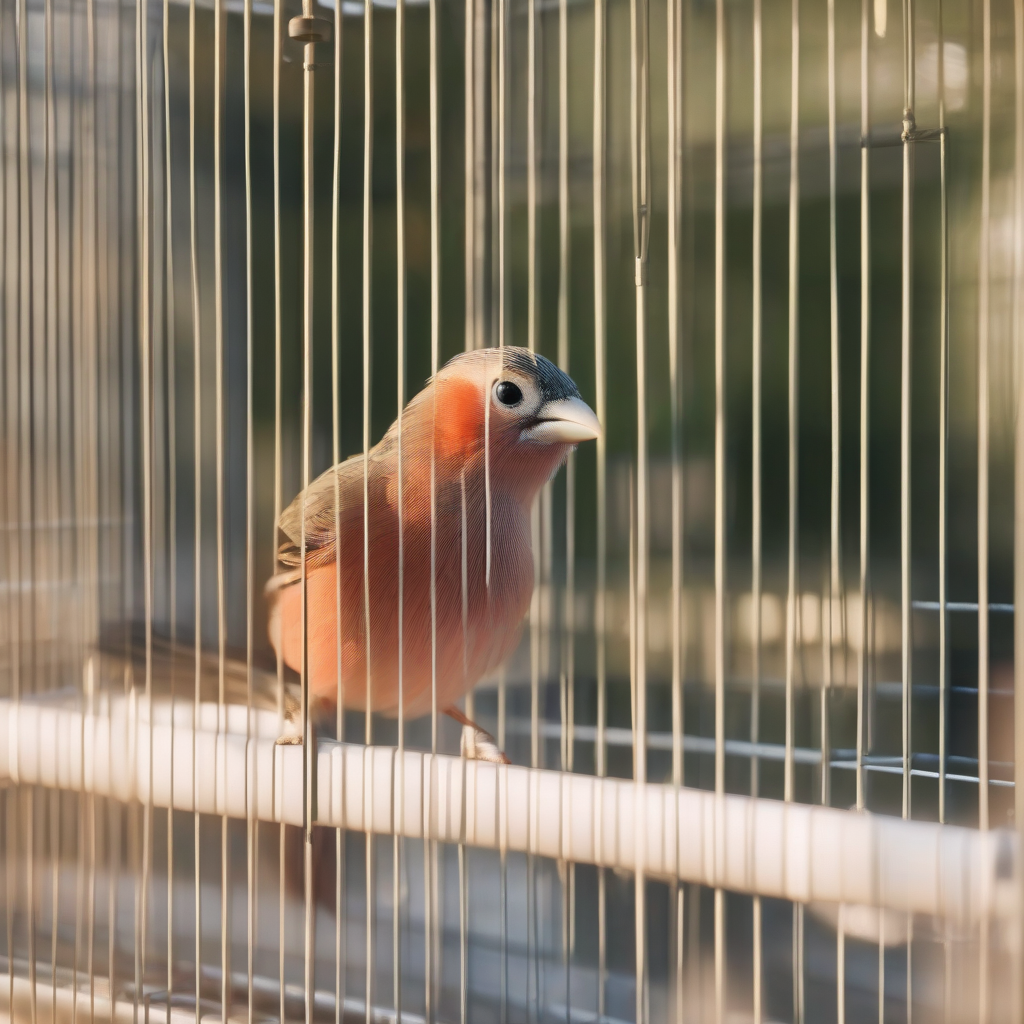
In this article, you will discover the profound effects of invisible yet critical environmental factors like air quality, light spectrum, and electromagnetic fields (EMF) on your pet birds' health and well-being. Learn how to combat these hidden threats to ensure your bird lives an optimal life.


Discover the neurobiological signals of hidden stress your newly adopted cat experiences during adaptation to a new social environment. This article reveals 5 insidious signs of your cat's silent struggle and scientific strategies for peaceful, long-term harmony.

Your dog's anal sacs, located beneath the tail, can be hidden alarm bells often overlooked but profoundly affecting their quality of life. In this article, you will discover the 5 insidious neurobiological effects of anal sac problems on the brain and the lifesaving care secrets you need to know for your furry friend to live a peaceful life.
In this article, you will find comprehensive information on the insidious neurotoxic effects of heavy metal poisoning in aquarium fish, its symptoms, and lifesaving emergency intervention codes. This condition, which can arise from household water sources, improper equipment, or neglect, can severely threaten your fish's quality of life and lifespan.
Our pet birds, our feathered friends, deserve their living spaces to be optimal in every aspect. However, beyond the visible elements like cage size, food and water dishes, or toys that often catch our attention, there are invisible factors that profoundly affect the health and well-being of birds. As of March 2026, scientific advancements in pet health are increasingly clarifying the complex effects of air quality, correct light spectrum, and even electromagnetic fields (EMF) on avian physiology and behavior. In this article, we will explore critical ways to understand and combat these invisible threats in your bird's "hidden paradise." Remember, a healthy bird is a happy bird, and happiness is hidden in often-overlooked details.
Birds have unique and extremely sensitive respiratory systems. Their air sacs and efficient gas exchange mechanisms make them highly vulnerable to indoor air pollution. An odor or particle that might be a minor annoyance for humans can lead to serious health problems for your bird.
Many sources of indoor air pollution pose potential threats to our birds:
Poor air quality can lead to many problems in birds, from chronic respiratory infections to immune system suppression. This situation can even cause your bird to exhibit behavioral signs of stress. Understanding your bird's silent screams, under-the-wing stress signs, and hidden emotional needs is the first step toward addressing these environmental factors. (Your Bird's Silent Screams: Under-the-Wing Stress Signs and Hidden Emotional Needs) Prevention methods include:
The light that appears "normal" to the human eye may not be sufficient for a bird's biology. Birds require "full spectrum" light, which includes UVA and UVB spectra that humans cannot see. This is vital not only for their vision but also for vitamin D3 synthesis, hormonal balance, and overall psychological well-being.
Natural daylight (or special full-spectrum bird lamps) allows birds to synthesize vitamin D3. Vitamin D3 is critical for calcium absorption, which is essential for bone health, feather quality, and egg production. Insufficient vitamin D3 can lead to weak bones, reproductive problems, and general lethargy.
A lack of full-spectrum light can lead to psychological problems in birds such as feather plucking, aggressive behaviors, reproductive issues, and even depression. Proper lighting helps regulate birds' natural circadian rhythms, which has a positive effect on their sleep patterns and stress levels. Good lighting also plays an important role in how birds communicate with each other and perceive their environment. By understanding the mysteries of under-wing communication and taking the first steps to facilitate it, you can strengthen your bond. (Your Bird's Silent Conversation: Mysteries of Under-Wing Communication and First Steps)
Modern homes are surrounded by an intense network of electromagnetic fields (EMF), from Wi-Fi routers to mobile phones, microwaves to wireless devices. While the effects of these invisible energy flows on human health are still debated, their potential impacts on smaller and more sensitive creatures like birds are increasingly being researched.
Devices emitting high-frequency radiation (Wi-Fi, mobile phones, cordless phones) and low-frequency fields (electrical wiring, appliances) can pose potential risks to birds. Research suggests that high EMF exposure can increase stress levels in birds, alter immune system responses, and even have negative effects on reproduction. These indirect effects can also impact the bird's overall gut health and, consequently, its immunity, highlighting the importance of the avian gut microbiome. (Avian Gut Microbiome: Unveiling Prebiotic and Probiotic Nutrition Secrets for Invisible Healing (March 2026))
Your bird's living space is not just a visible cage; it is also the air it breathes, the light it is exposed to, and the entirety of the energy fields around it. Paying attention to each of these invisible factors is critical for your bird to live a longer, healthier, and happier life. Regular check-ups with your veterinarian and professional advice on optimizing these factors in your home environment will help you keep your tiny friend's health at its peak.
Remember, your bird's well-being is directly related not only to its nutrition but also to the quality of the environment it lives in. The care you show for every detail will create a true paradise for it.
