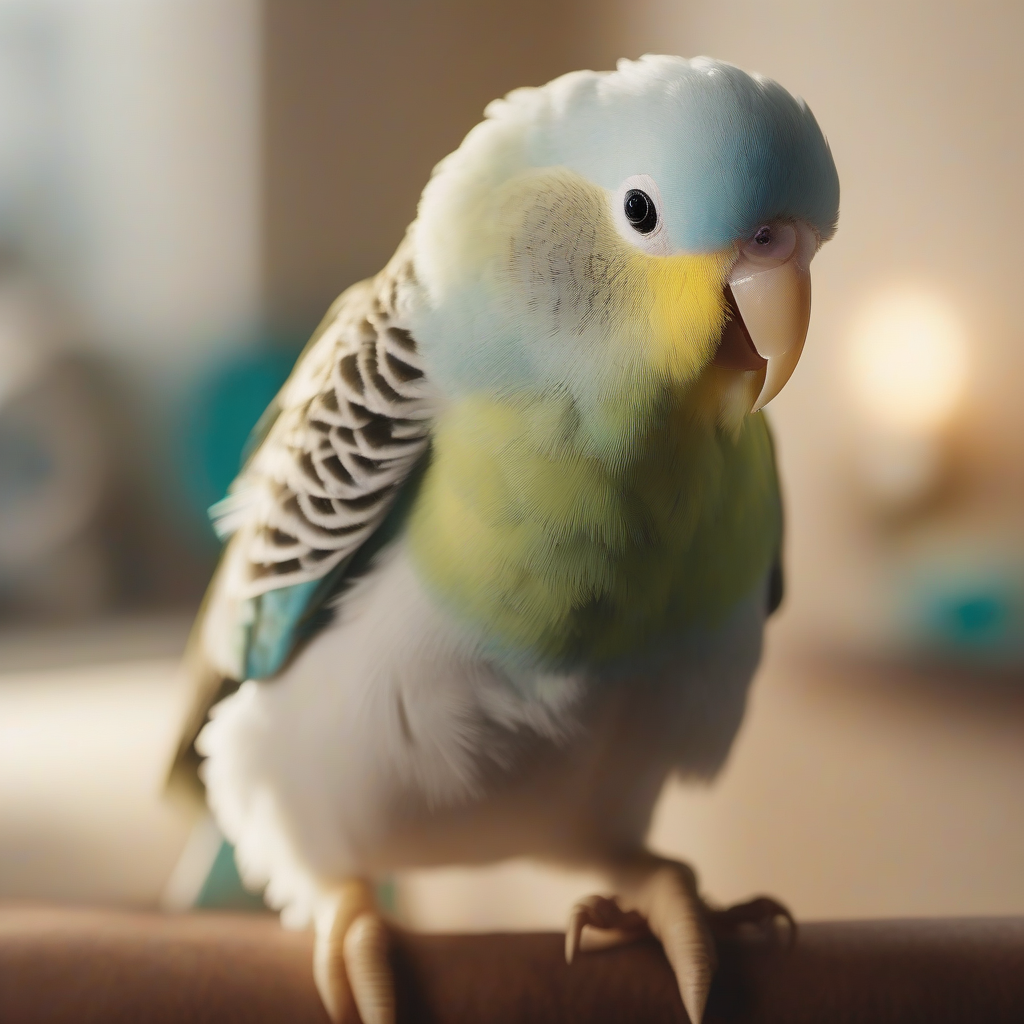
Sudden respiratory distress in birds is a critical emergency that can quickly become fatal. In this guide, you will learn to recognize the signs of your bird struggling to breathe, discover lifesaving first aid protocols you can apply until you reach a veterinarian, and explore strategies to prevent such crises in the future. Being prepared at all times can save your tiny friend's life.


Discover the neurobiological signals of hidden stress your newly adopted cat experiences during adaptation to a new social environment. This article reveals 5 insidious signs of your cat's silent struggle and scientific strategies for peaceful, long-term harmony.

Your dog's anal sacs, located beneath the tail, can be hidden alarm bells often overlooked but profoundly affecting their quality of life. In this article, you will discover the 5 insidious neurobiological effects of anal sac problems on the brain and the lifesaving care secrets you need to know for your furry friend to live a peaceful life.
In this article, you will find comprehensive information on the insidious neurotoxic effects of heavy metal poisoning in aquarium fish, its symptoms, and lifesaving emergency intervention codes. This condition, which can arise from household water sources, improper equipment, or neglect, can severely threaten your fish's quality of life and lifespan.
Our tiny feathered friends are highly vulnerable to sudden health crises due to their delicate physiology. Sudden respiratory distress, in particular, is one of the most frightening and urgent situations for bird owners. A bird unable to breathe can be life-threatening within minutes. This comprehensive guide will help you remain calm, correctly interpret the symptoms, and apply lifesaving emergency intervention steps until you can reach a veterinary professional when you notice sudden respiratory distress in your bird. Remember, early and correct intervention significantly increases your bird's chances of survival.
Birds tend to hide their weaknesses and illnesses to avoid becoming prey. Therefore, signs of respiratory distress are often only noticed when the condition has become severe. To act quickly, you must recognize these symptoms very well:
If you notice one or more of these symptoms, you must act immediately.
When you see your bird struggling to breathe, stay calm instead of panicking, and follow these steps. Remember, these steps do not replace veterinary treatment; they merely buy critical time.
Stress can worsen your bird's respiratory distress. Do not try to remove your bird from its cage, as this can further stress it. Move the cage to a quiet area, reducing noise and activity around it. You can provide a sense of security by partially covering the cage. Dim the lights and avoid sudden movements.
A bird experiencing respiratory distress can rapidly lose body heat. Ensure the ambient temperature is ideally around 28-30°C (82-86°F). You can use a heat lamp (at a safe distance, not in direct contact with the bird) or a hot water bottle (wrapped in a towel). Humidity can soothe the respiratory tract by preventing dryness. You can place a humidifier near the cage or run hot water in the bathroom to create steam (do not expose the bird directly to the steam; aim to increase ambient humidity).
While performing the above steps, simultaneously call your veterinarian. Describe the situation as clearly as possible and make an appointment. If possible, review the symptoms of other emergencies, such as potential poisoning, as mentioned in the article Hidden Poisoning and Acute Stress Syndrome in Aquarium Fish: Life-Saving First Aid Protocols (2026), as some toxins can directly affect the respiratory system.
When transporting your bird to the veterinarian, you must exercise extra care. Use a small, well-ventilated travel cage. Place a clean cloth or towel inside. Avoid shaking during transport and ensure the cage remains dark and quiet. Acute traumatic injuries can also lead to shock and trigger respiratory distress. The shock management principles in the article Acute Traumatic Injuries and Shock Management in Rabbits: Lifesaving First Aid Protocols can serve as a general guide for birds concerning environmental calmness and heat support.
Do not administer any medication, nutritional supplements, or homemade remedies to your bird without consulting a veterinarian. An incorrect dose or an incompatible substance can worsen the situation and be life-threatening.
Many different causes can lead to respiratory distress. Knowing these reasons can help you prevent future crises:
When faced with an emergency like respiratory distress in your bird, time is of the essence. By acting calmly, consciously, and quickly, you can make a critical difference until you reach your veterinarian. Remember, for the most accurate diagnosis and treatment, always consult an expert veterinary professional.
