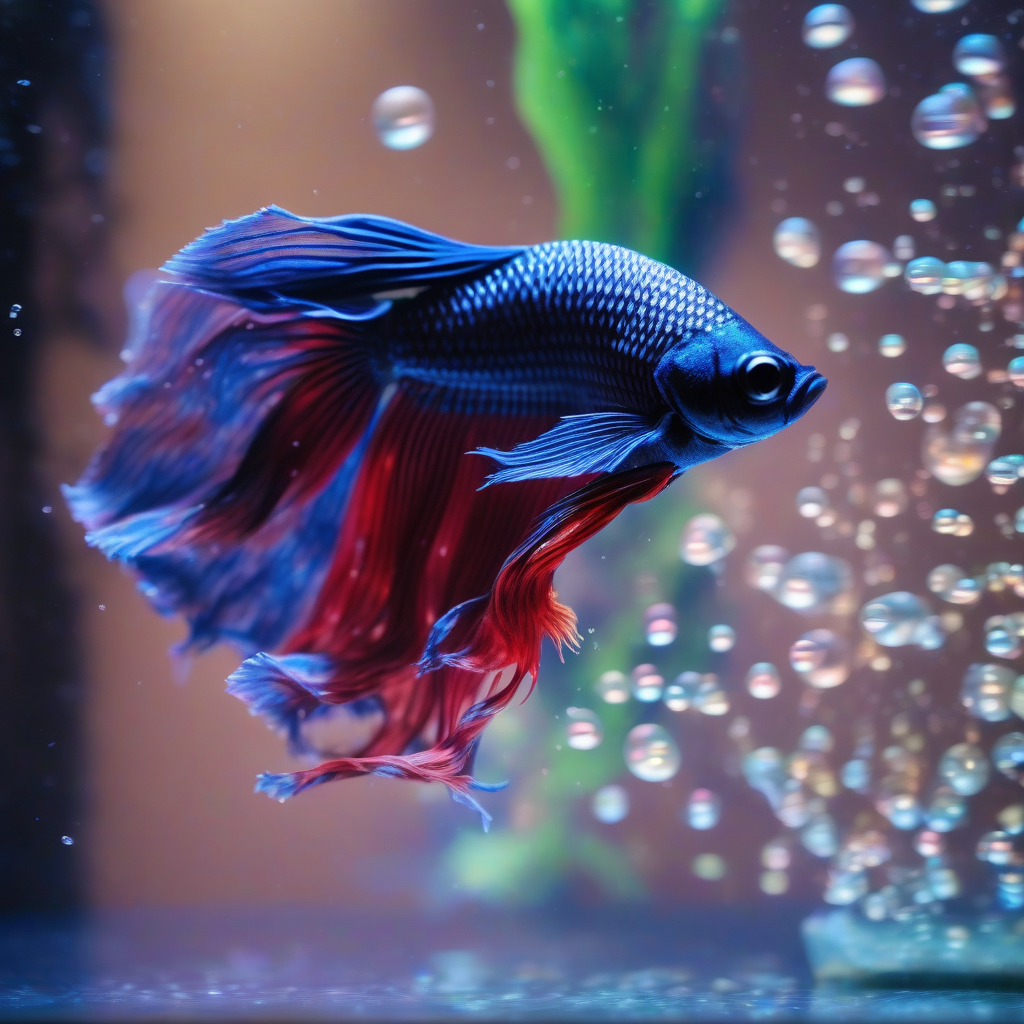
In this article, you will learn step-by-step what to do in emergency situations such as sudden gill blockage in your aquarium fish, life-saving first aid protocols, and possible causes.


Discover the neurobiological signals of hidden stress your newly adopted cat experiences during adaptation to a new social environment. This article reveals 5 insidious signs of your cat's silent struggle and scientific strategies for peaceful, long-term harmony.

Your dog's anal sacs, located beneath the tail, can be hidden alarm bells often overlooked but profoundly affecting their quality of life. In this article, you will discover the 5 insidious neurobiological effects of anal sac problems on the brain and the lifesaving care secrets you need to know for your furry friend to live a peaceful life.
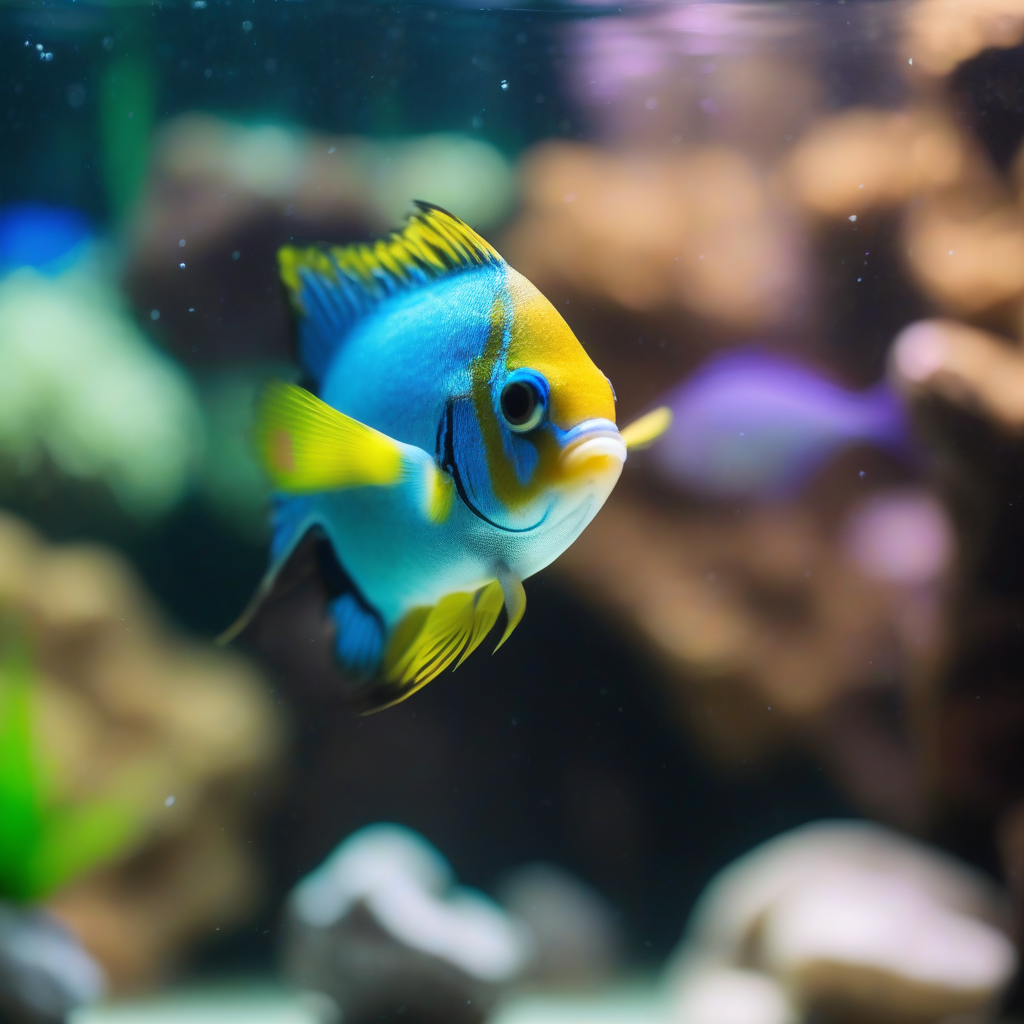
In this article, you will find comprehensive information on the insidious neurotoxic effects of heavy metal poisoning in aquarium fish, its symptoms, and lifesaving emergency intervention codes. This condition, which can arise from household water sources, improper equipment, or neglect, can severely threaten your fish's quality of life and lifespan.
Your aquarium is a world for your tiny friends. However, unexpected crises can occur in this colorful and dynamic ecosystem. Sudden gill blockage, in particular, is an emergency situation that directly threatens your fish's life and requires rapid intervention. In this article, we will discuss in detail what you should do in those critical moments when your fish struggles to breathe, the possible causes, and the lifesaving steps.
Unusual respiratory behavior in fish is the first sign that something is wrong. Sudden gill blockage typically manifests with the following symptoms:
Sudden gill blockage may not be due to a single cause. Correctly diagnosing the source of the problem is critical for effective treatment and preventing similar situations in the future. Main causes include:
If you notice signs of sudden gill blockage in your fish, take the following steps without delay:
Immediately Boost Oxygen: Increasing the oxygen level in the aquarium is your first priority. This can be done by running the air pump, lowering the water level in the aquarium to increase surface agitation, or adding a new air stone. If you have it, you can also use an oxygen-boosting solution recommended by your veterinarian.
Perform a Water Change: Replace 25% to 50% of the aquarium water with fresh, dechlorinated water that is close to the aquarium's temperature. This will help reduce toxin levels. You can apply the water change protocols from our article Hidden Poisoning and Acute Stress Syndrome in Aquarium Fish: Life-Saving First Aid Protocols (2026) in this situation as well.
Check and Clean the Filter (If Necessary): A clogged filter may have disrupted the water cycle and reduced oxygen levels. However, over-cleaning the filter can harm beneficial bacteria. If the filter is dirty, rinse it lightly with some of the aquarium water.
Observe for Disease Signs and Attempt Diagnosis: If you suspect a parasitic or bacterial infection, carefully examine your fish and other aquarium inhabitants. If symptoms like white spots (Ich), redness in the gills, or mucus discharge are present, you may need to start appropriate treatment. While articles like The Microalgae & Probiotic Revolution in Fish Nutrition: Scientific Secrets for Peak Health & Vibrancy in Your Aquarium provide general health information, you should consult your veterinarian for specific treatment protocols in emergencies.
Quarantine Suspected Cases: If an infection is suspected, immediately move the sick fish to a separate quarantine tank. This will prevent the spread of the disease to other fish in your aquarium. While articles like Advanced Cognitive Training for Aquarium Fish: A Guide to Perception, Problem-Solving, and Behavioral Enrichment offer general care information, quarantine is a critical step in cases of illness.
Emergencies cannot always be prevented, but the risk can be significantly reduced with the right precautions:
Remember, the health of your fish depends on your careful observations and prompt interventions. This information serves as a guide to take the right steps during emergencies. However, in complex situations, it is always best to seek professional help from a veterinarian.
