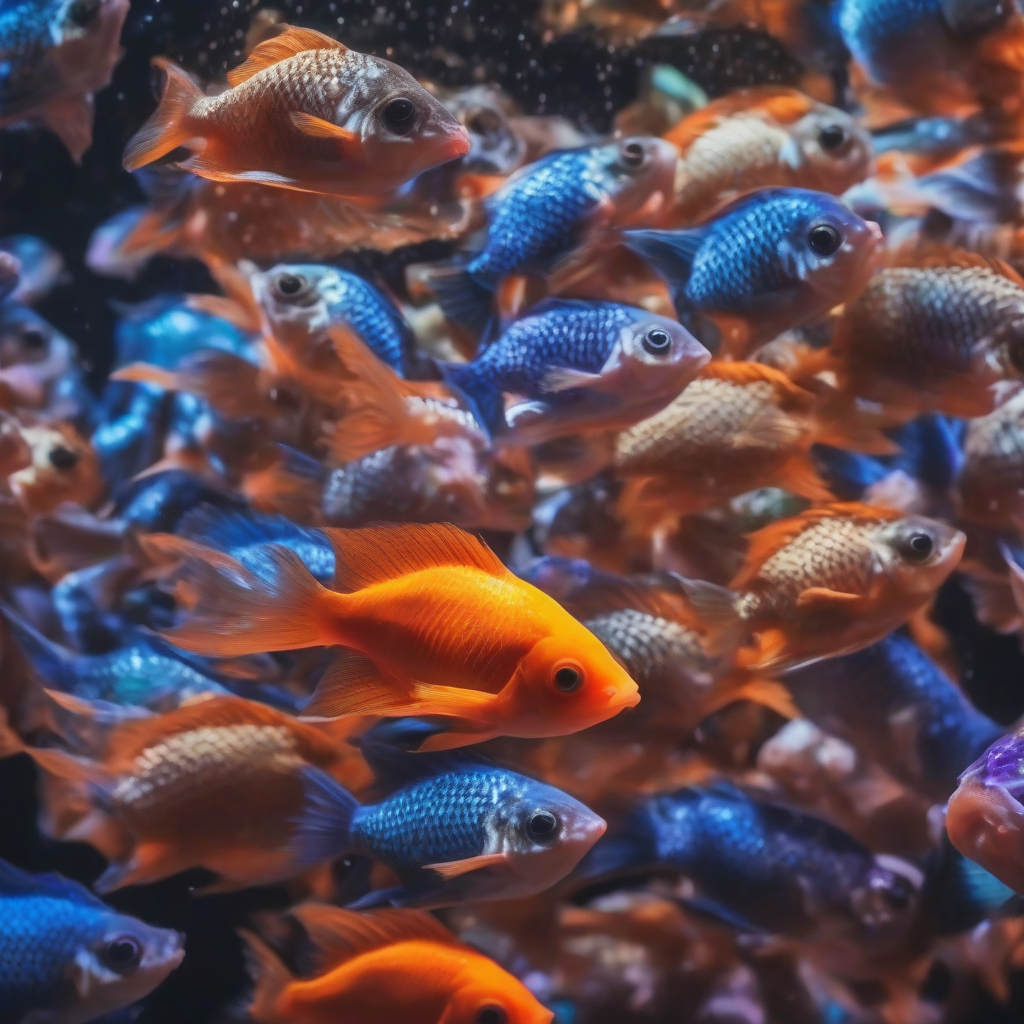
In this article, we offer an expert perspective on the profound effects of aquarium fish nutrition, strengthening the immune system, and revitalizing their colors. Discover the hidden secrets beyond diet.


Discover the neurobiological signals of hidden stress your newly adopted cat experiences during adaptation to a new social environment. This article reveals 5 insidious signs of your cat's silent struggle and scientific strategies for peaceful, long-term harmony.

Your dog's anal sacs, located beneath the tail, can be hidden alarm bells often overlooked but profoundly affecting their quality of life. In this article, you will discover the 5 insidious neurobiological effects of anal sac problems on the brain and the lifesaving care secrets you need to know for your furry friend to live a peaceful life.
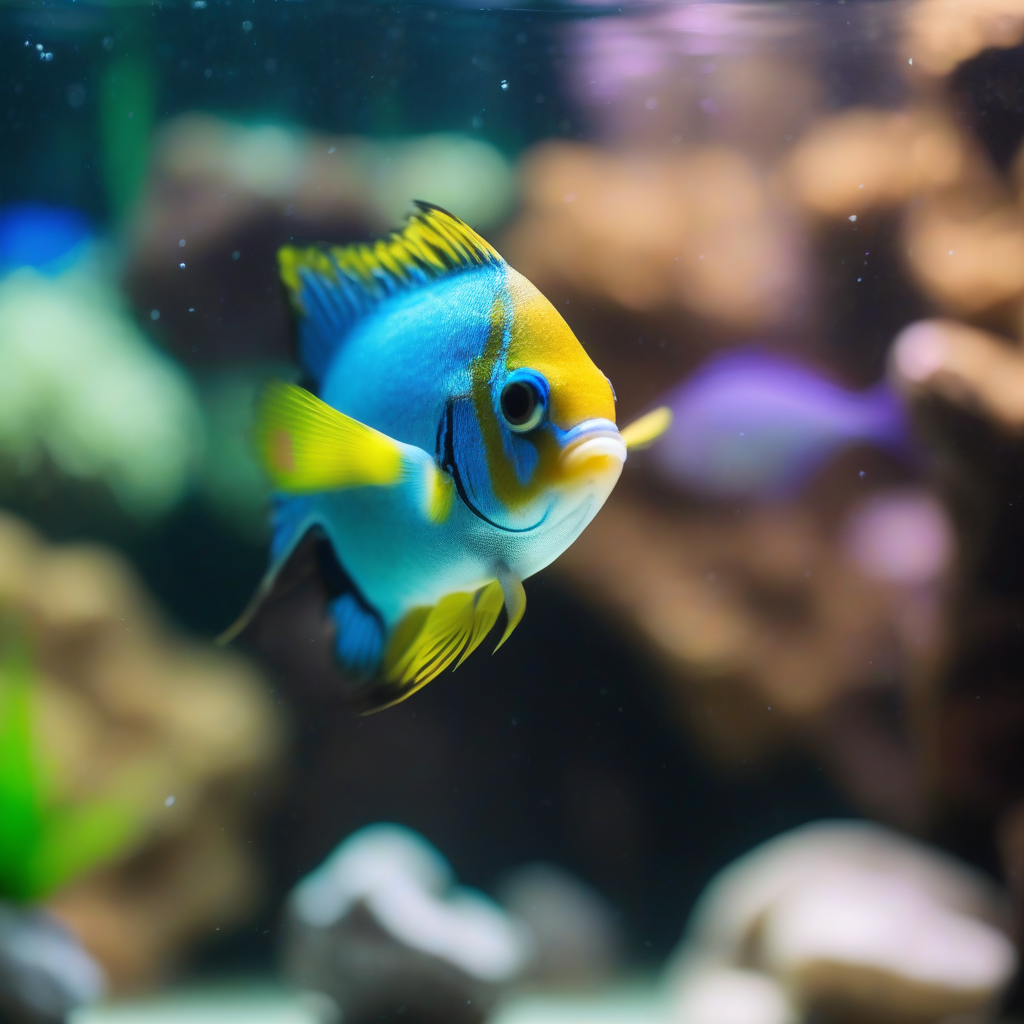
In this article, you will find comprehensive information on the insidious neurotoxic effects of heavy metal poisoning in aquarium fish, its symptoms, and lifesaving emergency intervention codes. This condition, which can arise from household water sources, improper equipment, or neglect, can severely threaten your fish's quality of life and lifespan.
As aquarium fish offer us a visual feast in the calm depths of water, their complex nutritional needs and the hidden dynamics of health are often overlooked. As of March 2026, we are exploring new horizons offered by science to maximize the health and vitality of these aquatic residents of our homes. In this article, we will delve into feeding strategies that go beyond mere satiation, strengthening the immune system, and bringing out the unique colors of our fish like works of art.
For most aquarium hobbyists, fish food is a basic necessity. However, experts emphasize that feeding is actually a biochemical art. The digestive systems of fish, their developmental stages, the natural habitats of their species, and even aquarium conditions directly influence the type and content of food to be chosen.
General flake or granular foods may be sufficient for certain species, while for others, they can be inadequate or even harmful. For instance, some species of tropical fish feed on plankton and small crustaceans in their natural environments. Specific fatty acids and proteins found in these food groups are vital in their diets. If these nutrients are deficient, fish not only become less energetic but also their immune systems weaken, making them more vulnerable to diseases. This can form the basis of problems seen in aquarium fish, such as hidden poisoning and acute stress syndrome, which can sometimes be difficult to diagnose.
The vibrant and bright colors of fish are often an indicator of their health and genetic potential. However, for these colors to fully emerge, they require specific nutrients. Antioxidants like carotenoids play a critical role in the synthesis of color pigments in fish. These compounds, naturally found in algae and crustaceans, help make fish colors more intense and vibrant when added to fish food.
Especially in spectacular species like discus fish, the magnificent display of colors is a testament to how well their diet has been optimized. In this regard, articles like 'The Microalgae & Probiotic Revolution in Fish Nutrition: Scientific Secrets for Peak Health & Vibrancy in Your Aquarium' highlight the importance of these specialized nutrients.
In modern fish nutrition, probiotics and prebiotics stand out like superheroes. Probiotics help beneficial bacteria multiply in the fish's digestive system, improving digestion, increasing nutrient absorption, and inhibiting the growth of harmful bacteria. This has a direct positive impact on overall health and the immune system.
Prebiotics, on the other hand, allow these beneficial bacteria to thrive by providing them with sustenance. A balanced gut microbiota makes fish more resistant to diseases and helps them cope better with stress. This is critically important, especially during adaptation to new environments or sudden changes in aquarium conditions. Studies such as 'The Art of Memory in Aquarium Fish: Sparking Intelligence Through Conscious Nutrition and Behavioral Training (March 2026)' show that nutrition not only impacts physical but also mental development.
Just as feeding recommendations vary for different hamster species, from Syrian to dwarf hamsters, the situation is the same for fish species. The dietary needs of carnivorous, herbivorous, and omnivorous fish are fundamentally different. For example, carnivorous fish require high-protein, animal-based foods, while the diet of herbivorous fish must contain abundant fibrous plant matter.
In this regard, researching the natural feeding habits of the fish species in your aquarium and selecting appropriate foods is the most important step for their long-term health. Improper nutrition can lead to chronic problems such as obesity, digestive issues, and weakening of the immune system over time.
As of March 2026, we should view the nutrition of aquarium fish not just as a basic necessity but as an art that enhances their quality of life, immune system, and unique beauty. The right food selection, species-specific feeding principles, and the use of innovative ingredients like probiotics will enable our aquatic friends to live healthier, more energetic, and more colorful lives. Fully unlocking the potential of these small worlds in your aquarium is possible with a conscious and scientific feeding strategy.
