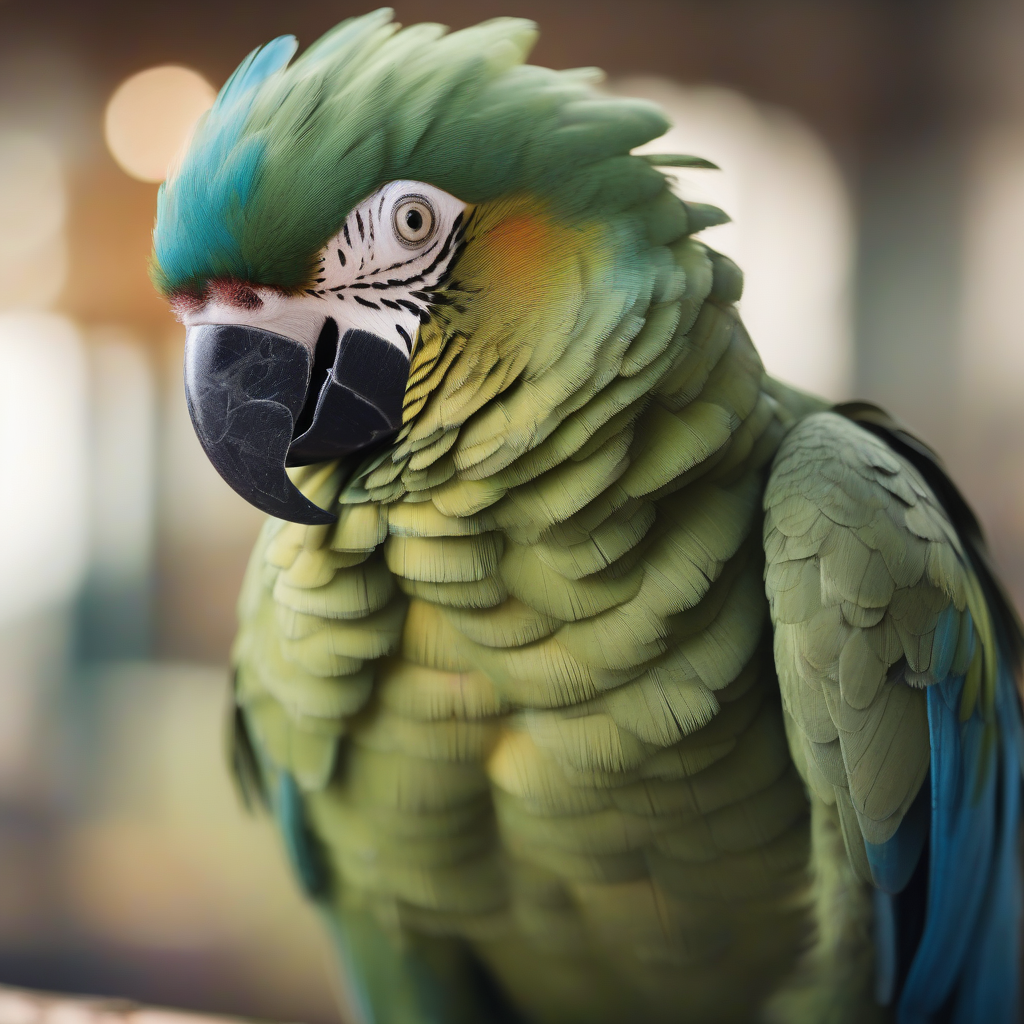
In this article, you can find in-depth information on understanding your bird's silent stress signs, deciphering common psychological triggers, and enhancing your winged friend's emotional well-being.


Discover the neurobiological signals of hidden stress your newly adopted cat experiences during adaptation to a new social environment. This article reveals 5 insidious signs of your cat's silent struggle and scientific strategies for peaceful, long-term harmony.

Your dog's anal sacs, located beneath the tail, can be hidden alarm bells often overlooked but profoundly affecting their quality of life. In this article, you will discover the 5 insidious neurobiological effects of anal sac problems on the brain and the lifesaving care secrets you need to know for your furry friend to live a peaceful life.
In this article, you will find comprehensive information on the insidious neurotoxic effects of heavy metal poisoning in aquarium fish, its symptoms, and lifesaving emergency intervention codes. This condition, which can arise from household water sources, improper equipment, or neglect, can severely threaten your fish's quality of life and lifespan.
As of March 2026, pet owners, especially bird owners, are increasingly paying attention to the mental health of their winged companions as much as their physical health. Birds, despite being social creatures, can often hide the stress and anxiety they experience in their inner world. In this article, we will delve into how you can identify the subtle signs of stress in your bird that you may not have noticed yet, the underlying psychological reasons for these conditions, and ways to enhance your feathered friend's emotional well-being.
Even if a bird's physical health is good, there are subtle signs indicating it might be struggling mentally. Recognizing these signs offers a chance for early intervention and strengthens the bond between you and your bird.
Many bird owners focus on physical symptoms like feather loss or dullness. However, some of the most common signs of stress are behavioral:
In addition to behavioral changes, stress can also have physical manifestations:
Understanding why our birds experience stress is the first step to resolving the issues. Commonly encountered psychological triggers include:
Birds in nature are constantly exploring, foraging, and engaging in social interactions. A monotonous living environment for them is a significant source of stress. The size of the cage, the variety of toys, and the duration of interaction directly impact a bird's mood. Birds lacking adequate mental and physical stimulation may develop repetitive behaviors or harm themselves due to boredom.
Birds are social beings. If they are solitary or have limited interaction only with their own species, this can cause severe stress. Birds that do not receive enough daily attention and interaction can feel lonely. Our article The Mystery Beneath Your Bird's Feathers: Why Do Some Birds Avoid Social Interaction? also sheds light on this topic.
Birds are creatures of routine. Sudden changes in the household (arrival of a new pet, moving, rearranging furniture, disruption of household routine) can cause significant anxiety in birds. Such changes can shake a bird's sense of security and put them in a stressful situation.
Nutrition is critical not only for physical health but also for mental well-being. Deficient or unbalanced diets can negatively affect a bird's overall mood and its capacity to cope with stress. Specifically, the lack of certain vitamins and minerals can impact the nervous system and, consequently, emotional state.
Factors such as the cage's location, the noise level in the house, sudden loud noises, and the proximity of other pets (especially predatory species) can make a bird feel constantly threatened. A bird that does not feel safe will naturally be stressed.
Here are steps you can take to ensure your bird leads a happier, less stressed life:
Protecting your bird's mental health is the most fundamental way to improve its overall quality of life. Hearing its silent screams, understanding them, and responding to their needs will further strengthen the bond between you and your feathered friend. Remember, patience, observation, and love are always the best treatment methods.
