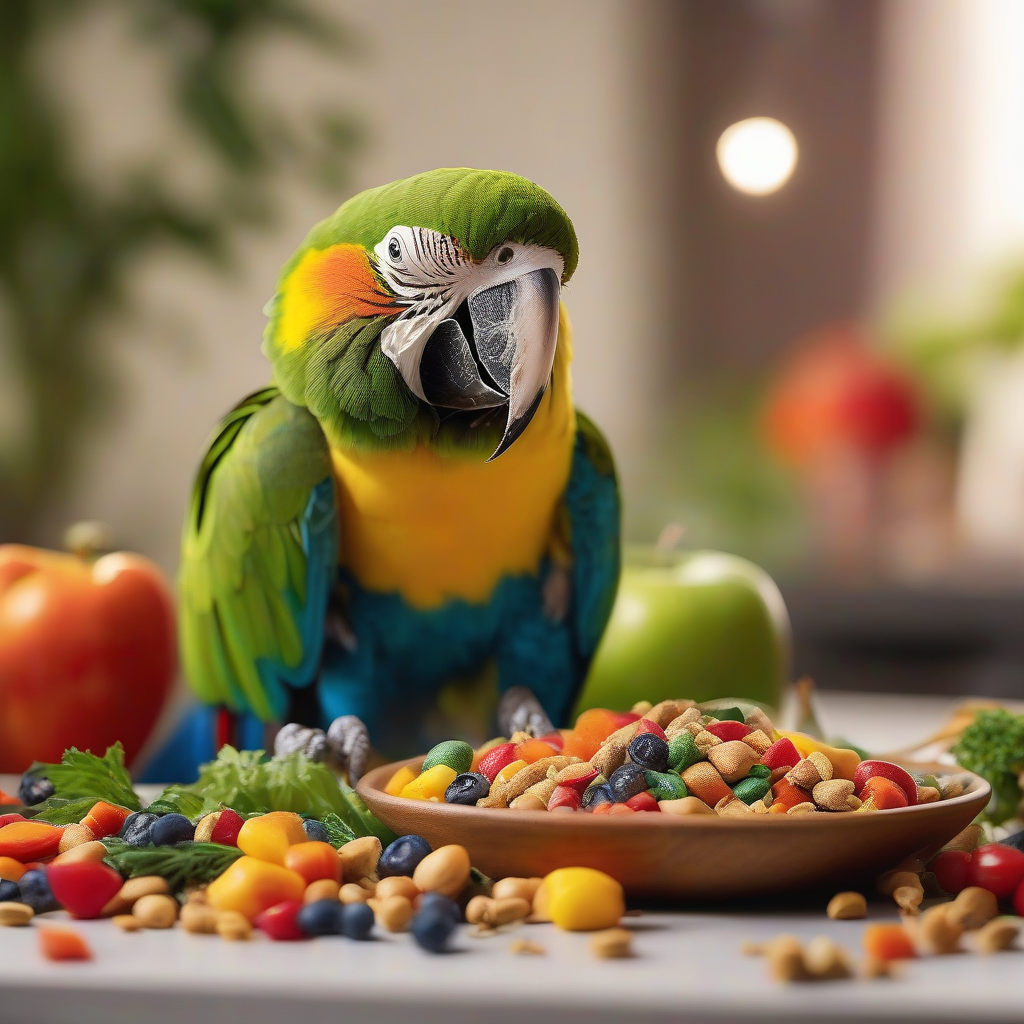
In this article, you will discover the hidden nutritional deficiencies in birds caused by seed-based diets, the health issues that arise, and how to improve your bird's quality of life with optimal nutrition strategies.


Discover the neurobiological signals of hidden stress your newly adopted cat experiences during adaptation to a new social environment. This article reveals 5 insidious signs of your cat's silent struggle and scientific strategies for peaceful, long-term harmony.

Your dog's anal sacs, located beneath the tail, can be hidden alarm bells often overlooked but profoundly affecting their quality of life. In this article, you will discover the 5 insidious neurobiological effects of anal sac problems on the brain and the lifesaving care secrets you need to know for your furry friend to live a peaceful life.
In this article, you will find comprehensive information on the insidious neurotoxic effects of heavy metal poisoning in aquarium fish, its symptoms, and lifesaving emergency intervention codes. This condition, which can arise from household water sources, improper equipment, or neglect, can severely threaten your fish's quality of life and lifespan.
Birds, the joy of our homes, can face a hidden danger called 'silent hunger' if not fed properly. This means that despite your bird's food bowl appearing full, its body is deprived of vital nutrients. Seed-based diets, in particular, are an inadequate and unbalanced food source for many pet bird species. As of March 2026, advancements in veterinary science clearly show that this 'silent hunger' not only shortens life spans but also leads to various health problems and behavioral issues.
Many bird owners believe that seed mixes sold in pet stores are sufficient for their birds. However, these mixes are often high in fat while lacking essential vitamins, minerals, and amino acids. While birds in nature obtain a balanced diet by consuming a wide variety of foods, it is the owner's responsibility to provide this variety in a cage environment. Using seeds as the sole source of nutrition over time leads to chronic nutritional deficiencies, weakening your bird's immune system and inviting diseases.
One of the most common problems arising from a monotonous diet is the lack of nutrients essential for maintaining basic bodily functions. Here are some critical deficiencies and the issues they cause:
This is one of the most common deficiencies observed in seed-heavy diets. Vitamin A is vital for healthy epithelial tissues (lining of the skin, respiratory tract, digestive system, and reproductive system). In cases of deficiency:
These deficiencies, especially common in caged birds, are critical for bone health, muscle function, and egg formation. In cases of deficiency:
Amino acids, the building blocks of proteins, and B vitamins are essential for energy metabolism, feather development, and nervous system functions. Deficiencies can lead to slow growth, poor feather quality, and even behavioral changes.
Unhealthy nutrition does not only lead to physiological problems; it also negatively affects your bird's mood and behavior. Malnourished birds may be more stressed, irritable, and lethargic. As stated in our article "Your Bird's Silent Screams: Under-the-Wing Stress Signs and Hidden Emotional Needs", nutritional deficiencies can lower your bird's overall quality of life, setting the stage for chronic stress and anxiety.
Moving away from a seed-heavy diet and transitioning to a balanced nutritional plan is vital for your bird's health. Here are strategies you can implement:
Pellet foods formulated by veterinarians and suitable for your bird's species are the best foundation for a balanced diet. Pellets contain all essential vitamins, minerals, and proteins in the correct proportions. Accustoming your bird to pellets requires patience but is the most important investment you can make for its long-term health.
Add fresh, washed, and chopped vegetables and fruits to your bird's diet daily. Dark leafy greens rich in Vitamin A (spinach, broccoli, kale), carrots, sweet potatoes, pumpkin, apples (seedless), bananas, and berries are excellent choices. However, strictly avoid foods that can be toxic to birds, such as avocado and chocolate.
Seeds and nuts should no longer be the main component of the diet but rather used as occasional treats or enrichment items. This way, your bird does not miss out on its favorite foods and is encouraged towards healthy eating.
Under the recommendation of your veterinarian, vitamin or mineral supplements can be used according to your bird's specific needs. Furthermore, access to clean and fresh water is vital. Change the water daily and keep the bowls clean. Remember, paying attention to topics like "Avian Gut Microbiome: Unveiling Prebiotic and Probiotic Nutrition Secrets for Invisible Healing (March 2026)" is crucial for overall gut health and nutrient absorption, ensuring that nutrients are fully utilized by the body.
Suddenly changing your bird's diet can cause stress. Introduce new foods in small amounts and gradually. You can facilitate the transition by mixing new foods with their old food or offering new foods when they are hungry in the morning. Be patient; some birds may take time to adjust to new tastes.
Your bird's health and happiness are directly linked to proper nutrition. 'Silent hunger' and hidden nutritional deficiencies caused by seed-based diets pave the way for numerous health problems. A balanced diet enriched with high-quality pellets, fresh vegetables, and fruits is the key to your bird living a long, healthy, and happy life. When in doubt, always consult your veterinarian to create the most suitable feeding plan for your bird. Healthy nutrition for your bird will double its gratitude and vitality.
