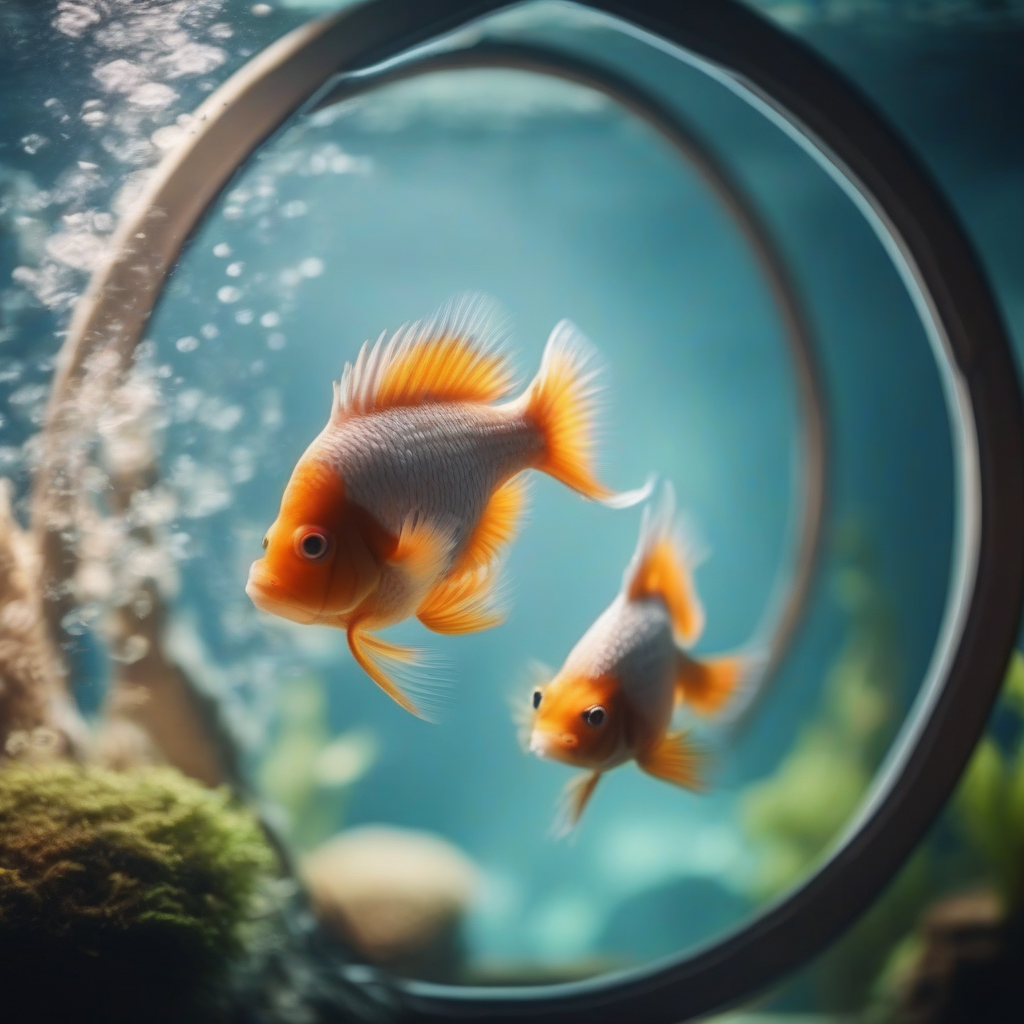
Discover your aquarium fish's hidden communication abilities and how to make them more intelligent and social with signal-based training techniques.


Discover the neurobiological signals of hidden stress your newly adopted cat experiences during adaptation to a new social environment. This article reveals 5 insidious signs of your cat's silent struggle and scientific strategies for peaceful, long-term harmony.

Your dog's anal sacs, located beneath the tail, can be hidden alarm bells often overlooked but profoundly affecting their quality of life. In this article, you will discover the 5 insidious neurobiological effects of anal sac problems on the brain and the lifesaving care secrets you need to know for your furry friend to live a peaceful life.
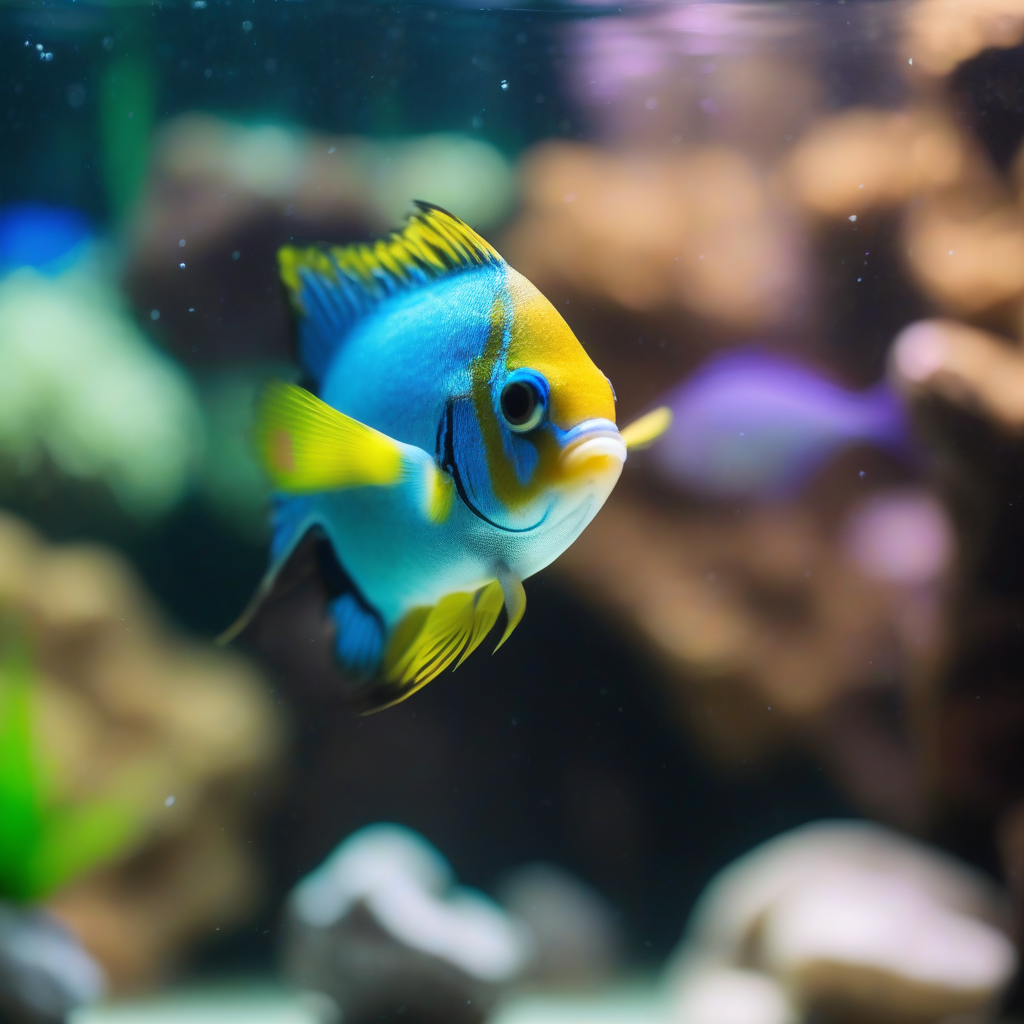
In this article, you will find comprehensive information on the insidious neurotoxic effects of heavy metal poisoning in aquarium fish, its symptoms, and lifesaving emergency intervention codes. This condition, which can arise from household water sources, improper equipment, or neglect, can severely threaten your fish's quality of life and lifespan.
Aquariums are not just visual spectacles; they offer a window into the complex worlds of the creatures within. The silent world of fish often remains limited to basic feeding and habitat provision for many aquarium owners. However, these creatures harbor much more than meets the eye. The question of whether fish are 'trainable' in the traditional sense, while not comparable to training a dog, has been scientifically proven to elicit responses to specific signals, and even learn simple tasks. In this article, you will discover that your fish are masters of silent communication and learn signal-based training techniques that will allow you to build a deeper bond with them.
Fish communicate through various means, including sound waves, vibrations, color changes, and body movements. A distressed fish in an aquarium might indicate stress through rapid gill movements, flared fins, or a dulling of its colors. Similarly, fish that are part of a harmonious community interact with each other through visual and chemical signals. As also mentioned in articles like Your Aquarium Fish's Secret Social Networks: Unknown Rules and Secrets for a Harmonious Community, understanding their social structure forms the foundation of the training process.
Fish training fundamentally involves using their natural behaviors to elicit responses to specific stimuli. This is based on the principle of 'positive reinforcement,' meaning rewarding the fish when it exhibits a desired behavior. Small, nutritious food pellets are commonly used as rewards.
This process demonstrates that fish are not just surviving but are also mentally stimulated. As The Mysterious Social Life of Fish: Unknown Secrets to Creating a Harmonious Community in Your Aquarium highlights, enhancing social interactions also supports the overall well-being of the fish.
Fish training offers much more than just getting your fish to perform tricks in the aquarium:
Some fish species are more prone to training due to their natural curiosity and social structures. For example:
However, it's important to remember that each fish is an individual, and their training potential can vary by species and even among individuals within the same species.
A hidden potential lies within the silent world of your fish. Signal-based training can unlock this potential, transforming your aquarium from merely a habitat into an interactive and enriching environment. Discover the flashes of intelligence in your fish and take your relationship with them to a new dimension.
