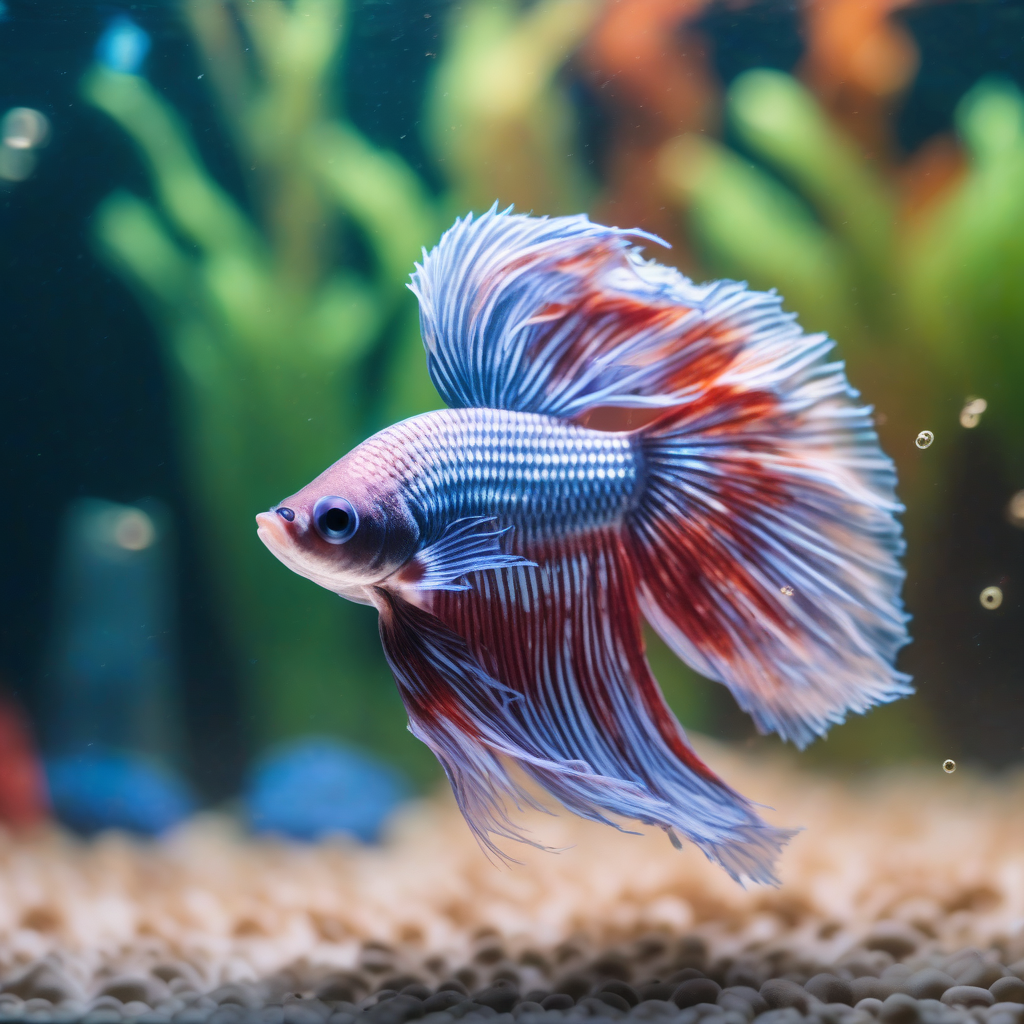
In this article, discover the often-overlooked symptoms of external parasites in aquarium fish, their effects, and early intervention strategies.


Discover the neurobiological signals of hidden stress your newly adopted cat experiences during adaptation to a new social environment. This article reveals 5 insidious signs of your cat's silent struggle and scientific strategies for peaceful, long-term harmony.

Your dog's anal sacs, located beneath the tail, can be hidden alarm bells often overlooked but profoundly affecting their quality of life. In this article, you will discover the 5 insidious neurobiological effects of anal sac problems on the brain and the lifesaving care secrets you need to know for your furry friend to live a peaceful life.
In this article, you will find comprehensive information on the insidious neurotoxic effects of heavy metal poisoning in aquarium fish, its symptoms, and lifesaving emergency intervention codes. This condition, which can arise from household water sources, improper equipment, or neglect, can severely threaten your fish's quality of life and lifespan.
Maintaining the health of the vibrant and colorful world in your aquarium is a top priority for every fish owner. However, while focusing on obvious, prominent diseases, there is an enemy that often goes unnoticed and silently threatens the health of your fish: external parasites. These microscopic organisms, with their rapid reproductive capabilities and potential to weaken the fish's immune system, can pose a serious risk to your aquarium. In this article, we will delve into the often-overlooked symptoms of external parasites and explore vital intervention strategies you can employ against these insidious threats.
External parasites are microscopic organisms that live on the skin, fins, and gill surfaces of fish. Some of the most common include Ichthyophthirius multifiliis (the parasite causing white spot disease), Costia (Chilodonella), and Trichodina. These parasites directly damage the fish's tissues, leading to itching, inflammation, and infections. Factors such as poor water quality, sudden temperature changes, stress, and inadequate nutrition weaken the fish's immune system, creating a fertile ground for these parasites to multiply.
The most dangerous aspect of external parasites is that they often show no obvious symptoms in their early stages. However, a vigilant observer can notice these subtle signs in your fish:
If you notice any of the symptoms mentioned above, it is crucial to act without delay. Here are effective intervention strategies you can implement:
The first step should always be to check and improve water quality. High ammonia and nitrite levels make fish more vulnerable to parasites. Partial water changes and adequate filtration systems can help resolve this issue. Regularly testing water parameters (pH, ammonia, nitrite, nitrate) will allow you to take early precautions against any adverse conditions.
It is essential to use effective medications specific to the parasite type, recommended by your veterinarian or aquarium expert. These medications are usually added to the aquarium water and aim to kill the parasites. It is important to closely monitor the fish during medication use and strictly follow the manufacturer's instructions.
In some cases, a salt bath can be an effective supportive treatment, especially against parasites like Ichthyophthirius multifiliis. However, this method must be applied at the correct salt concentration and duration to avoid harming the fish. It is important to research the suitability for specific fish species or seek expert advice.
The life cycle of some parasites, such as Ichthyophthirius multifiliis, accelerates at higher temperatures. Controlledly increasing the aquarium temperature (usually to 28-30°C) can help trigger the different stages of the parasite more rapidly, facilitating treatment. However, this method may not be suitable for all fish species and should be done with caution.
Thoroughly observing new fish in a quarantine tank and treating them if necessary before introducing them to the main aquarium is one of the most effective ways to protect the health of your existing fish. This prevents the spread of parasites introduced from outside.
External parasites in aquarium fish are a problem that can be controlled with early diagnosis and correct intervention. Regularly observing your fish's behavior and appearance allows you to detect a potential problem in its initial stage. Remember, a healthy aquarium requires constant attention and knowledge. To understand the secret art of communication of your fish, you can dive deeper into this world by reading our articles such as Decoding Your Cat's Secret Language: Unknown Ways to Understand Their Emotional Intelligence Through Body Language and Signals. Similarly, you can find the impact of social harmony in your aquarium on fish health in our article titled The Secret Dance in Your Aquarium: Secrets of Harmonious Living for Fish Species and a Social Bonding Guide.
With regular maintenance and accumulated knowledge, you can keep the health of the inhabitants in your aquarium at the highest level.
