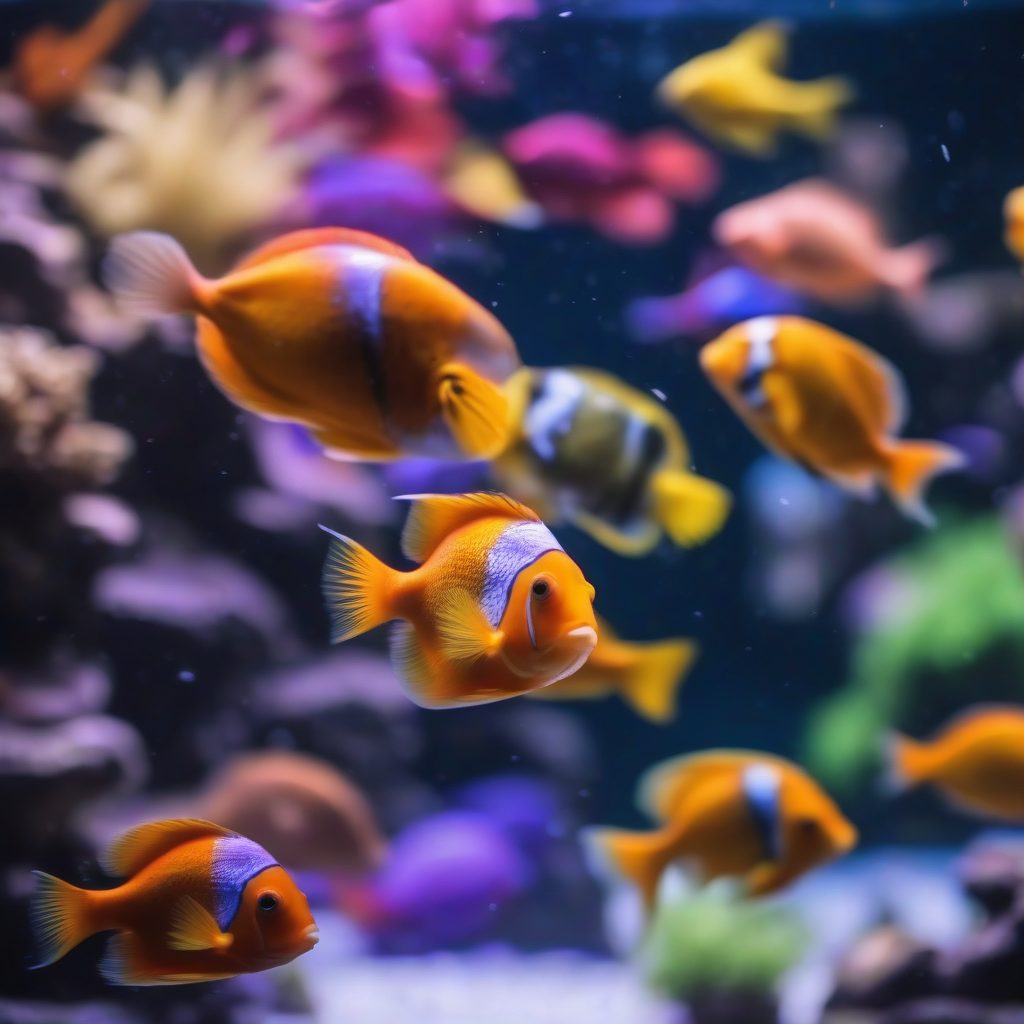
In this article, you will find tips on achieving inter-species social harmony in aquarium fish, creating a peaceful community, and bonding deeply with your fish.


Discover the neurobiological signals of hidden stress your newly adopted cat experiences during adaptation to a new social environment. This article reveals 5 insidious signs of your cat's silent struggle and scientific strategies for peaceful, long-term harmony.

Your dog's anal sacs, located beneath the tail, can be hidden alarm bells often overlooked but profoundly affecting their quality of life. In this article, you will discover the 5 insidious neurobiological effects of anal sac problems on the brain and the lifesaving care secrets you need to know for your furry friend to live a peaceful life.
In this article, you will find comprehensive information on the insidious neurotoxic effects of heavy metal poisoning in aquarium fish, its symptoms, and lifesaving emergency intervention codes. This condition, which can arise from household water sources, improper equipment, or neglect, can severely threaten your fish's quality of life and lifespan.
Your aquarium is not just a glass box filled with water; it's a living ecosystem where tiny creatures engage in complex social interactions. One of the most critical steps when acquiring fish is ensuring that your aquarium inhabitants can live in harmony with each other. So, what lies behind the scenes of this secret dance? Which species live happily together, and which ones become enemies? In this guide, we will explore the unknown secrets to creating a peaceful community in your aquarium and forging a deep bond with your fish.
While seemingly simple, the social harmony of aquarium fish actually requires in-depth knowledge. Creatures you might simply buy as 'ornamental fish' and place in the same aquarium can quickly become stressed, or even harm each other. The foundation of a successful aquarium community lies in a few key factors:
As a general rule, larger and more aggressive species can pose a threat to smaller and more peaceful species. For instance, larger tetra species or cichlids may chase or harm smaller, more delicate species like neon tetras. Therefore, when selecting your fish, you must consider both their natural behaviors and their potential interactions with the existing inhabitants of your aquarium. As we mentioned in our article Hidden Residents of the Aquarium: Unknown Ways to Ensure Social Harmony When Acquiring Fish, starting with small, peaceful species is usually the safest approach.
Some fish species can be quite competitive when it comes to feeding. Especially during feeding, faster or more aggressive species can prevent others from reaching the food. This can cause significant stress, particularly for species that eat slowly or prefer sinking foods. Learning about the feeding habits of different species will help you create an environment where all inhabitants can feed adequately. For example, feeding schooling fish in groups reduces individual competition.
The size of your aquarium directly impacts the compatibility of species. Insufficient space can lead to fish interfering with each other more and becoming stressed. Additionally, ample hiding places created with plants, rocks, and decorative elements allow more timid fish to feel secure. This is vital, especially in situations where one species may chase another. The principles in the article Your Rabbit's Habitat: Creating Stress-Free Environments with Hidden Areas and Escape Routes (2026) also apply to fish; safe spaces are a fundamental need for all living beings.
Bonding with fish may not be as direct and obvious as our relationships with other pets. However, this does not mean they don't recognize us or that we cannot interact with them. With the right approaches, you can establish a meaningful connection with your fish.
Feeding at specific times every day and in the same amount allows your fish to associate your presence with a positive experience. Over time, they will begin to move towards you, even becoming animated in anticipation of food. This consistency is important for both your fish's health and the development of a trusting bond with you.
Observing your fish's behavior carefully is key to understanding their moods and needs. Their vibrancy or dullness in color, fin movements, position in the aquarium, and even the speed of their gill movements can all communicate something. As detailed in our article The Secret Art of Fish Communication: Secrets to Revitalizing Your Aquarium with Signal-Based Training, understanding their unique communication methods makes it easier to interact with them. Some fish calm down when you approach the aquarium, even swimming towards your hand.
Regularly rearranging your aquarium's decorations or adding new plants provides mental stimulation for your fish. This nurtures their curiosity and encourages them to be more active by breaking their routine. Advanced Cognitive Training for Aquarium Fish: A Guide to Perception, Problem-Solving, and Behavioral Enrichment will inspire you in this regard. Such enrichments ensure they not only survive but also thrive and remain energetic.
Despite our best efforts, social issues can arise in an aquarium. Here are some common ones and their solutions:
Ensuring the social harmony of your aquarium fish is an art that requires patience and observation. Remember that each species has its own unique needs and behaviors. With informed choices and careful observation, you can create a peaceful and happy life in your underwater world and forge a unique bond with your fish. In this journey, understanding their silent world will be your greatest reward.
