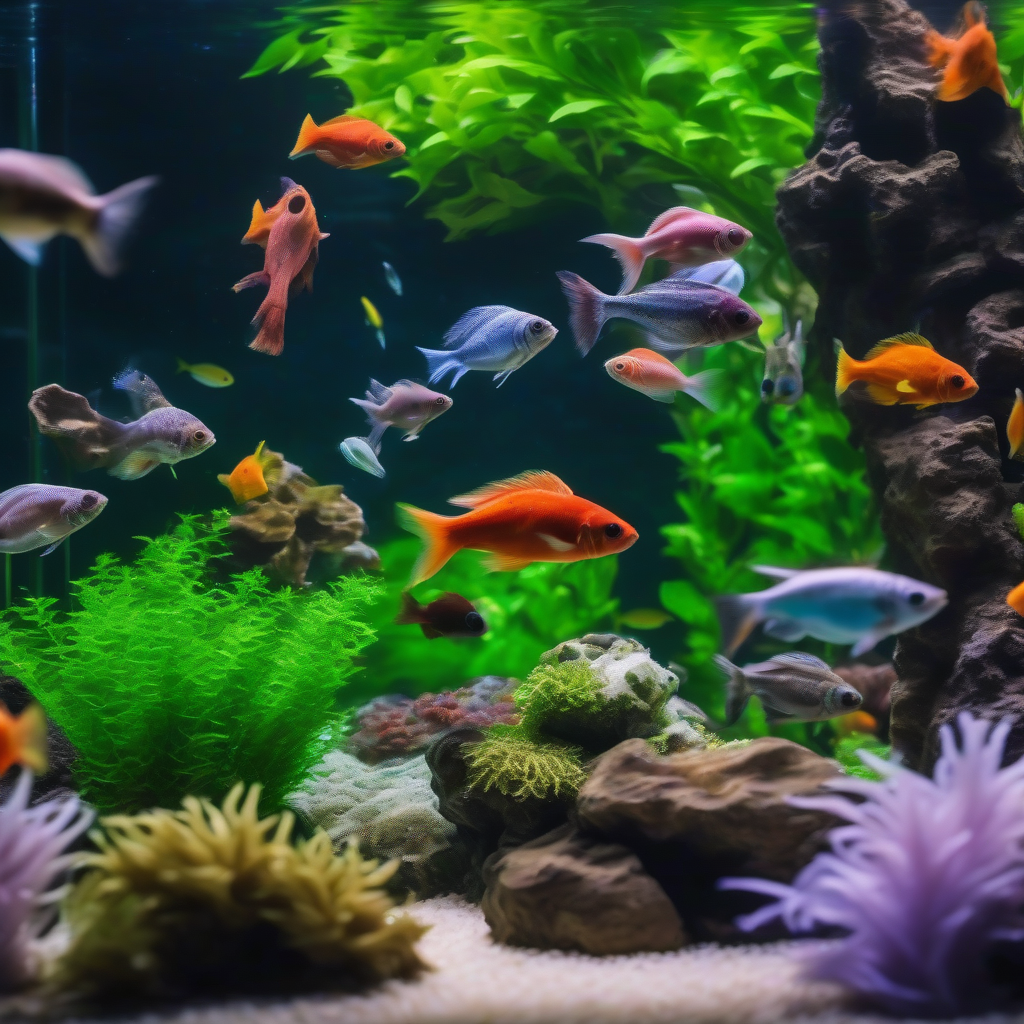
In this article, discover the unknown secrets to ensuring social harmony among fish and creating a peaceful community in your aquarium when acquiring fish.


Discover the neurobiological signals of hidden stress your newly adopted cat experiences during adaptation to a new social environment. This article reveals 5 insidious signs of your cat's silent struggle and scientific strategies for peaceful, long-term harmony.

Your dog's anal sacs, located beneath the tail, can be hidden alarm bells often overlooked but profoundly affecting their quality of life. In this article, you will discover the 5 insidious neurobiological effects of anal sac problems on the brain and the lifesaving care secrets you need to know for your furry friend to live a peaceful life.

In this article, you will find comprehensive information on the insidious neurotoxic effects of heavy metal poisoning in aquarium fish, its symptoms, and lifesaving emergency intervention codes. This condition, which can arise from household water sources, improper equipment, or neglect, can severely threaten your fish's quality of life and lifespan.
The aquarium hobby offers a calming and fascinating world. However, successfully establishing and maintaining this underwater ecosystem involves not only choosing the right fish but also understanding their social dynamics. Especially when introducing a new fish to an aquarium, ensuring this transition without disrupting the harmony of the existing community is a often overlooked but critically important aspect. In this article, we will delve into the unknown secrets of ensuring social harmony when acquiring fish and explore ways to create a peaceful community in your aquarium.
The preparations required before introducing a new fish to the aquarium are crucial for both the fish's physical and social well-being. The overall health of the aquarium, water quality, and the condition of existing residents directly affect the newcomer's adaptation process. Ideally, avoid making sudden changes to your aquarium. Stable water parameters prevent the fish from becoming stressed.
The most fundamental and often overlooked first step is to place the new fish in a quarantine tank. This prevents the new fish from transmitting potential diseases to your other fish and provides a safe adaptation period for its own health. A quarantine tank also offers an ideal environment for observation and treatment. This process typically lasts 2-4 weeks, ensuring that the fish shows no signs of illness. If you suspect your fish have had hidden illnesses before, this quarantine period becomes even more critical. For instance, considering topics like Hidden Kidney Diseases in Fish: The Silent Threat in Your Aquarium and Lifesaving Management Secrets, it's important to monitor the newcomer's health with extra care.
Once the quarantine period is successfully completed, it's time to integrate the new fish into the main aquarium. Rushing this stage can lead to severe conflicts and stress. First, float the bag containing the new fish in the aquarium water to equalize the water temperature. Then, slowly discard some of the water from the bag and add a portion of your own aquarium water to the bag. This process allows the fish to acclimate to the new water conditions. Finally, gently release the new fish into the aquarium.
Each fish species has its own unique social structure and behavioral patterns. The foundation of creating a harmonious community in an aquarium lies in understanding these behaviors. While some species are peaceful, others can be territorial or aggressive. Species compatibility is also closely linked to factors such as aquarium volume, hiding places, and feeding habits.
When acquiring fish, research is the most important step. Learning about the behavioral characteristics of popular fish species will help you prevent potential problems from the outset. For example, betta fish generally prefer to live alone, while schooling fish like neon tetras are happier in larger groups. Our article, The Mysterious Social Life of Fish: Unknown Secrets to Creating a Harmonious Community in Your Aquarium, will shed more light on this topic.
Some fish species, like cichlids, may establish territories within the aquarium and attempt to defend them. Introducing a new fish risks encroaching on an existing territory. In such situations, the aquarium's decoration, i.e., the variety and number of hiding places, becomes very important. Sufficient hiding places provide safe spots for the new fish to retreat to initially, making the existing fish feel less threatened.
The ways fish communicate with each other are far more complex than we perceive. Color changes, body postures, fin movements, and even sounds allow fish to express their emotions and intentions. Understanding these communication methods will help you decipher the social dynamics in your aquarium.
As we touched upon in our article, The Secret Art of Fish Communication: Secrets to Revitalizing Your Aquarium with Signal-Based Training, fish can respond to signals. The stressed or aggressive behavior of a new fish might actually be an attempt to communicate. By observing body language, you can understand which fish is tense and which is being bothered. Sudden changes in fish coloration, tucking or flaring fins are signs that they may be stressed or threatened.
Some common mistakes made in fish socialization in aquariums can negatively impact the health of the fish.
Skipping the quarantine process or releasing a new fish into the main aquarium too quickly are among the most frequent errors. This can lead to the spread of diseases and conflicts among existing fish.
Choosing fish based solely on appearance without researching species' behavioral compatibility lays the foundation for future aggression problems. For instance, placing an aggressive fish with a peaceful species in the same aquarium can cause the weaker fish to live under constant stress.
An inadequately decorated aquarium or a lack of hiding spots prevents fish from feeling secure and increases territorial conflicts. Titles like Your Rabbit's Habitat: Secrets to Stress Reduction with Hidden Areas and Escape Routes (2026) emphasize the importance of habitat design even for different creatures; this holds true for fish as well.
Ensuring social harmony in an aquarium is as much an art as it is a science. With patience, careful observation, and the right knowledge, you can ensure that all the inhabitants of your aquarium live together in peace. Every correct step taken when acquiring a new fish will prevent many potential problems in the future. Remember, each resident in your aquarium has a complex world of its own, and understanding their place in this world will enhance your enjoyment of this hobby.
