
In this article, discover the hidden symptoms, causes, and early diagnostic methods of frequently overlooked kidney diseases in aquarium fish, along with comprehensive information on how to manage this silent threat by optimizing aquarium conditions.


Discover the neurobiological signals of hidden stress your newly adopted cat experiences during adaptation to a new social environment. This article reveals 5 insidious signs of your cat's silent struggle and scientific strategies for peaceful, long-term harmony.

Your dog's anal sacs, located beneath the tail, can be hidden alarm bells often overlooked but profoundly affecting their quality of life. In this article, you will discover the 5 insidious neurobiological effects of anal sac problems on the brain and the lifesaving care secrets you need to know for your furry friend to live a peaceful life.
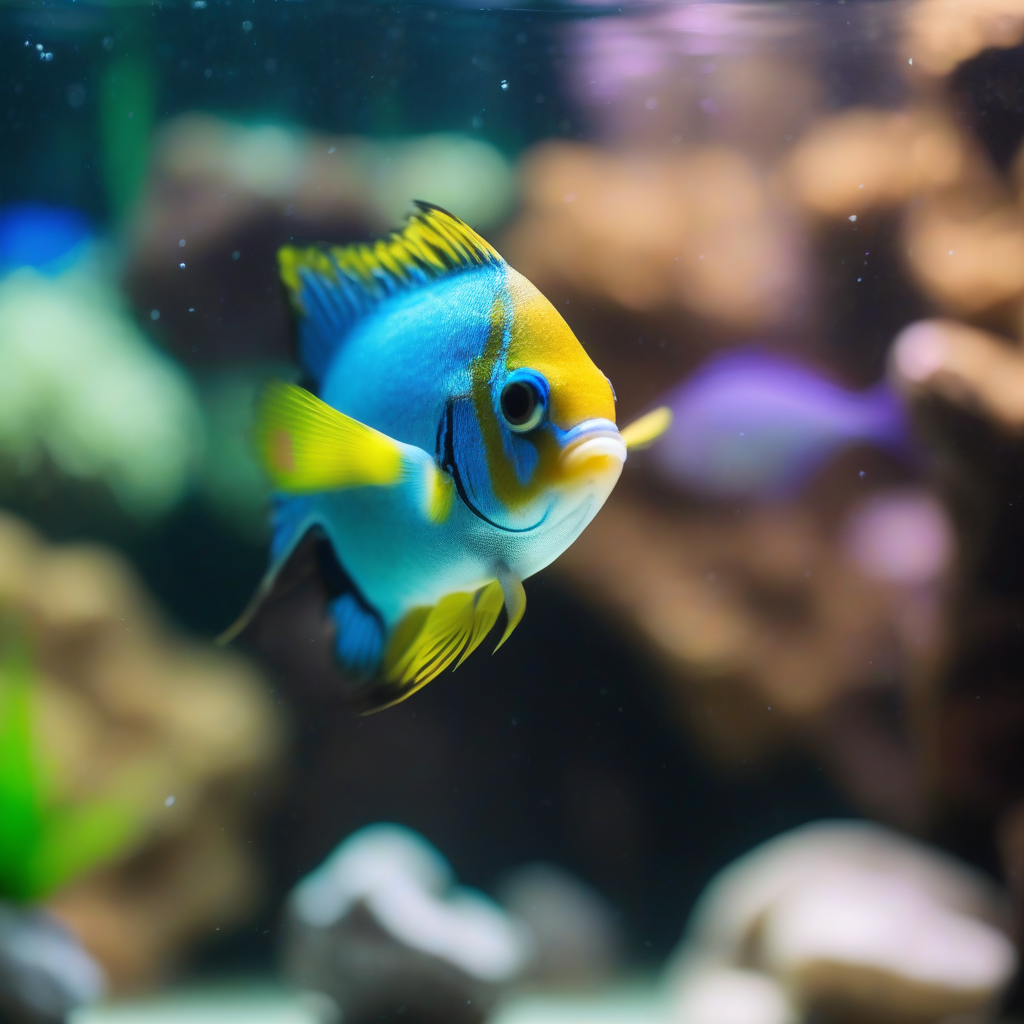
In this article, you will find comprehensive information on the insidious neurotoxic effects of heavy metal poisoning in aquarium fish, its symptoms, and lifesaving emergency intervention codes. This condition, which can arise from household water sources, improper equipment, or neglect, can severely threaten your fish's quality of life and lifespan.
While the aquarium hobby brings the calming beauty of colorful fish into our homes, understanding what goes on in the inner world of these tiny companions is often overlooked. When it comes to fish health, what usually comes to mind are external diseases like fin rot or white spot, but organ health, especially the kidneys, plays a critical role in the overall well-being and lifespan of fish. Unfortunately, kidney diseases in fish often go unnoticed due to their hidden and insidious symptoms, leading to serious problems in advanced stages. As of March 2026, advancements in veterinary science offer us new ways to diagnose and manage this silent threat early.
The kidneys are vital organs in fish that maintain water and electrolyte balance, filter waste products, and produce certain hormones. In freshwater fish, kidneys are responsible for expelling excess water absorbed due to constant water exposure, while in marine fish, they operate with different mechanisms to maintain salt balance. Despite their crucial functions, the symptoms of kidney diseases are often non-specific and can be confused with other common ailments. General sluggishness, loss of appetite, or faded coloration in a fish can be signs of many different health issues and may not necessarily herald a deeper condition like kidney failure. Furthermore, fish are adept at hiding their pain and discomfort, making it difficult to detect diseases before they reach advanced stages.
As fish owners, recognizing the early signs of kidney diseases is vital to improving the quality of life and extending the lifespan of our tiny friends.
The first signs that can be observed in a fish suffering from kidney problems are usually behavioral. A normally active fish suddenly becoming sluggish, hiding in the corners of the aquarium, or remaining abnormally at the surface or bottom are examples of these symptoms. Changes in swimming habits, such as wobbling or swimming erratically, can be seen in advanced stages of kidney failure. A fish becoming uninterested in other fish around it or avoiding social interaction can also be a warning sign.
Physical symptoms may appear after behavioral changes. One of the most prominent signs is generalized body or abdominal swelling (known as dropsy), which indicates fluid retention and may signal kidney dysfunction. Protruding scales (pinecone effect) and bulging eyes (pop-eye) can also accompany kidney failure. Pale gill color might be due to anemia, while skin lesions or infections can arise as a result of a weakened immune system. Sudden and unexplained changes in the chemical parameters of aquarium water can also negatively impact fish kidney health. As mentioned in the article Hidden Poisoning and Acute Stress Syndrome in Aquarium Fish: Life-Saving First Aid Protocols (2026), exposure to toxins can directly affect the kidneys.
Many factors contribute to kidney diseases in fish.
Aquarium water quality is the most critical factor for fish health. High levels of nitrates, ammonia, or nitrites, or the presence of chemicals like chlorine or chloramine, can have a toxic effect on the kidneys and lead to kidney failure in the long term. Sudden pH fluctuations and unsuitable temperatures can also impair kidney function. Overcrowded aquariums increase the biological load, degrading water quality and forcing the kidneys to overwork.
Unbalanced or low-quality nutrition, especially diets excessively high in protein or poor-quality feeds, can place an additional burden on the kidneys. Environmental toxins such as heavy metals, pesticides, or drug residues can also damage fish kidneys. Optimal nutritional strategies, as outlined in articles like The Secret Energy Source of Aquarium Fish: Beyond Diet for Immunity and Color Explosion Secrets (March 2026) and The Revolution of Microalgae and Probiotics in Fish Nutrition: Scientific Secrets for Peak Health and Vitality in Your Aquarium, are vital for preserving kidney health.
Some fish species or genetic lines may be more prone to kidney diseases than others. The aging process can also lead to a natural decline in kidney function. These factors should be carefully considered, especially in selectively bred ornamental fish.
Advanced veterinary medicine has made significant strides in diagnosing kidney diseases in fish.
Veterinarians equipped with specialized instruments can take blood samples from fish to measure levels of urea, creatinine, and electrolytes, which indicate kidney function. Imaging techniques such as ultrasonography or X-rays can help assess the size, structure, and potential cysts or tumors of the kidneys.
For a definitive diagnosis, a small tissue sample (biopsy) can be taken and sent for pathological examination in a laboratory. This is the gold standard for identifying cellular changes, inflammation, or other abnormalities in kidney tissue. Such invasive procedures are typically performed by experienced aquatic veterinarians.
The management and prevention of kidney diseases largely depend on optimizing the aquarium environment and the fish's feeding habits.
Regular and adequate water changes are essential to prevent the accumulation of ammonia, nitrite, and nitrate. A high-quality filtration system (mechanical, biological, and chemical filtration) plays a critical role in maintaining stable water quality. Regular checks with water test kits should be performed, and parameters like pH, temperature, and hardness should be adjusted according to the fish species' requirements.
Low-protein, high-quality feeds should be preferred, and overfeeding should be avoided. Vitamin and mineral supplements can support the immune system, helping to protect the kidneys. Special kidney diet foods can be used under veterinary supervision for fish with existing conditions.
Stress weakens the fish's immune system, increasing susceptibility to diseases. Strategies such as providing hiding spots, choosing appropriate tank mates, and avoiding overcrowding in the aquarium help to reduce stress levels. Emergency guides like End Your Fish's Breathing Crisis: 5 Lifesaving Steps for Sudden Gill Blockage! should be considered as a first step when a fish's general health suddenly deteriorates.
Hidden kidney diseases in fish are an insidious threat that must be taken seriously in the aquarium hobby. Early diagnosis, proper aquarium management, balanced nutrition, and regular veterinary check-ups can prevent these diseases or minimize their effects. Remember that your fish's silence does not mean everything is alright. Trying to understand their hidden worlds is the most important step towards ensuring they live a healthy and long life. With professional veterinary strategies and a conscious approach, you can ensure peak health and vitality for your aquatic companions.
