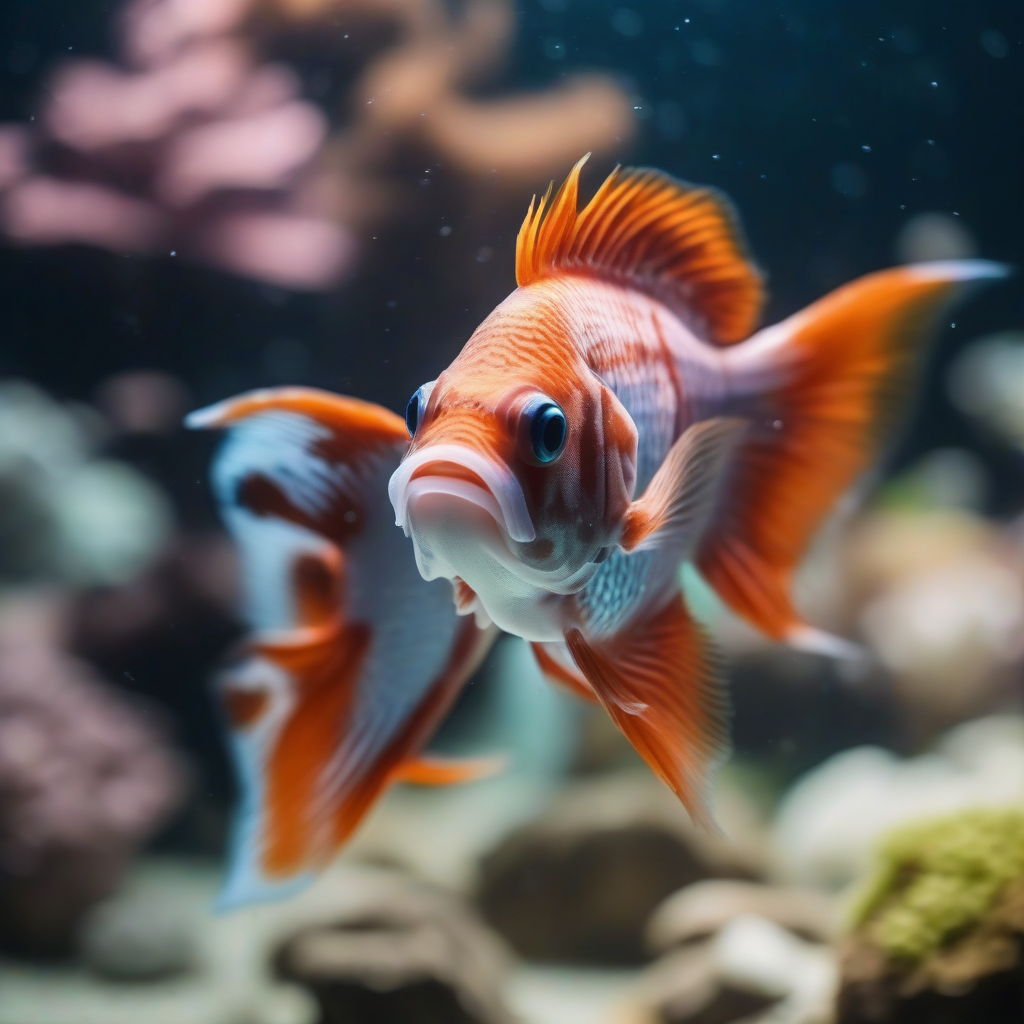
In this article, explore the complex social lives of your aquarium fish, the unknown rules for creating a harmonious community, and the impact of these hidden networks on their vitality.


Discover the neurobiological signals of hidden stress your newly adopted cat experiences during adaptation to a new social environment. This article reveals 5 insidious signs of your cat's silent struggle and scientific strategies for peaceful, long-term harmony.

Your dog's anal sacs, located beneath the tail, can be hidden alarm bells often overlooked but profoundly affecting their quality of life. In this article, you will discover the 5 insidious neurobiological effects of anal sac problems on the brain and the lifesaving care secrets you need to know for your furry friend to live a peaceful life.
In this article, you will find comprehensive information on the insidious neurotoxic effects of heavy metal poisoning in aquarium fish, its symptoms, and lifesaving emergency intervention codes. This condition, which can arise from household water sources, improper equipment, or neglect, can severely threaten your fish's quality of life and lifespan.
The aquarium, a vibrant and active world, presents itself to us. However, beneath this calm surface, a complex web of social interactions unfolds among your fish. This hidden social order is critically important for your fish's well-being, health, and the balance of the overall aquarium ecosystem. When introducing a new fish species to the aquarium or trying to understand the behavior of existing inhabitants, knowing these unknown social rules can make a significant difference.
While fish cannot speak in the way we understand, they have numerous ways of interacting with each other. Body language, color changes, and behavioral cues are part of their 'secret art of communication.' For instance, sudden color shifts can indicate stress, excitement, or a perceived threat. Fin positions, swimming patterns, and proximity to each other reflect their hierarchical order and acceptance. Correctly interpreting these signals is key to preventing potential conflicts and creating a more peaceful environment.
Adding a new fish can trigger a series of social dynamics that may disturb the existing community. For successful socialization, certain strategies go beyond general knowledge. As detailed in our article 'Hidden Residents of the Aquarium: Unknown Ways to Ensure Social Harmony When Acquiring Fish,' it's essential to research species compatibility, expand living spaces for existing inhabitants, and support the adaptation process rather than adding fish randomly.
Keeping different fish species together in your aquarium is like a 'secret dance.' Each species has unique behavioral patterns, feeding habits, and social needs. As highlighted in the article 'The Secret Dance in Your Aquarium: Secrets of Harmonious Living for Fish Species and a Social Bonding Guide,' creating a harmonious community is fundamental to the physical and mental health of your fish. Avoiding mixing aggressive species with peaceful ones, grouping those with similar water parameter needs, and providing adequate hiding places help maintain the rhythm of this dance.
Every fish community has an invisible hierarchy. The article 'Mysterious Social Hierarchies in the Silent World of Fish: Leaders and Followers in the Aquarium' details how this hierarchy is established and maintained. Dominant individuals often access the best food sources and utilize the safest areas. Understanding this hierarchy can help you notice which fish are experiencing stress or exclusion. Sometimes, even within species that live in small groups, leadership struggles can occur. While this is a natural process, intervention may be necessary if excessive aggressive behavior is observed.
Fish anxieties, much like those of cats, should not be overlooked. Our guide titled 'Your Fish's Hidden Anxieties: Decode Aquarium Signals and Create a Calm Environment' offers tips on how to alleviate these concerns. Sufficient space, hiding places, appropriate water flow, and avoiding overcrowding ensure that fish feel secure. During the process of introducing a new fish, these 'create a calm environment' strategies become even more critical. Avoiding sudden movements, keeping the aquarium quiet, and allowing the new fish to observe from a distance facilitate the adaptation process.
The social life of fish is directly linked to their health. Parasites and diseases can spread rapidly, especially in stressful environments or among individuals with weakened immune systems. Articles such as 'Hidden Danger in Aquarium Fish: Overlooked Symptoms of External Parasites and Lifesaving Intervention Strategies' and 'Hidden Intestinal Parasites in Fish: The Insidious Threat in Your Aquarium and Scientific Solutions' explain how to combat these insidious threats. Promoting social harmony lowers stress levels, thereby strengthening the fish's immune system and making them more resistant to diseases.
The overall health and social compatibility of fish are also closely related to their diet. In-depth articles like 'The Secret Power Source of Your Fish: Protein Types and the Miracles of Bioactive Peptides in Aquariums' and 'Hidden Electrolyte Balance in Aquarium Fish: The Unknown Key to Vitality and Disease Resistance' emphasize that nutrition is not just about filling stomachs but also about boosting the immune system and enhancing vitality. A balanced and species-appropriate diet ensures that fish feel more energetic and participate more actively in social interactions.
The social lives of aquarium fish may seem simple from the outside. However, within this world, complex interactions, unknown rules, and a deep balance are at play. Understanding and respecting these hidden social networks will not only enhance the overall well-being of your fish but also the beauty and tranquility of your aquarium. Using this information as a guide when introducing new species or observing the behavior of existing inhabitants will help you create a healthier and more harmonious aquarium ecosystem.
