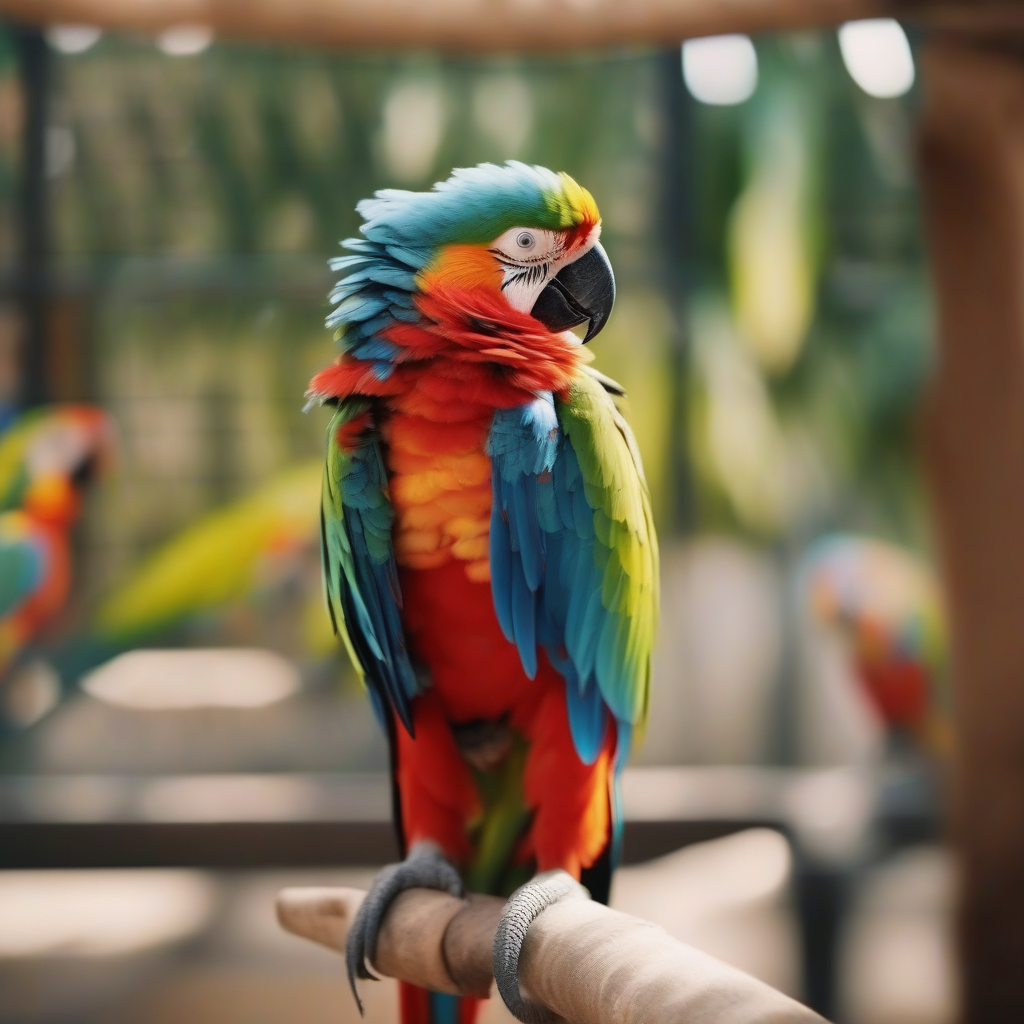
In this article, you will find comprehensive information about bird feather care, going beyond the shine of feathers to cover behavioral tips and unknown health secrets.


Discover the neurobiological signals of hidden stress your newly adopted cat experiences during adaptation to a new social environment. This article reveals 5 insidious signs of your cat's silent struggle and scientific strategies for peaceful, long-term harmony.

Your dog's anal sacs, located beneath the tail, can be hidden alarm bells often overlooked but profoundly affecting their quality of life. In this article, you will discover the 5 insidious neurobiological effects of anal sac problems on the brain and the lifesaving care secrets you need to know for your furry friend to live a peaceful life.
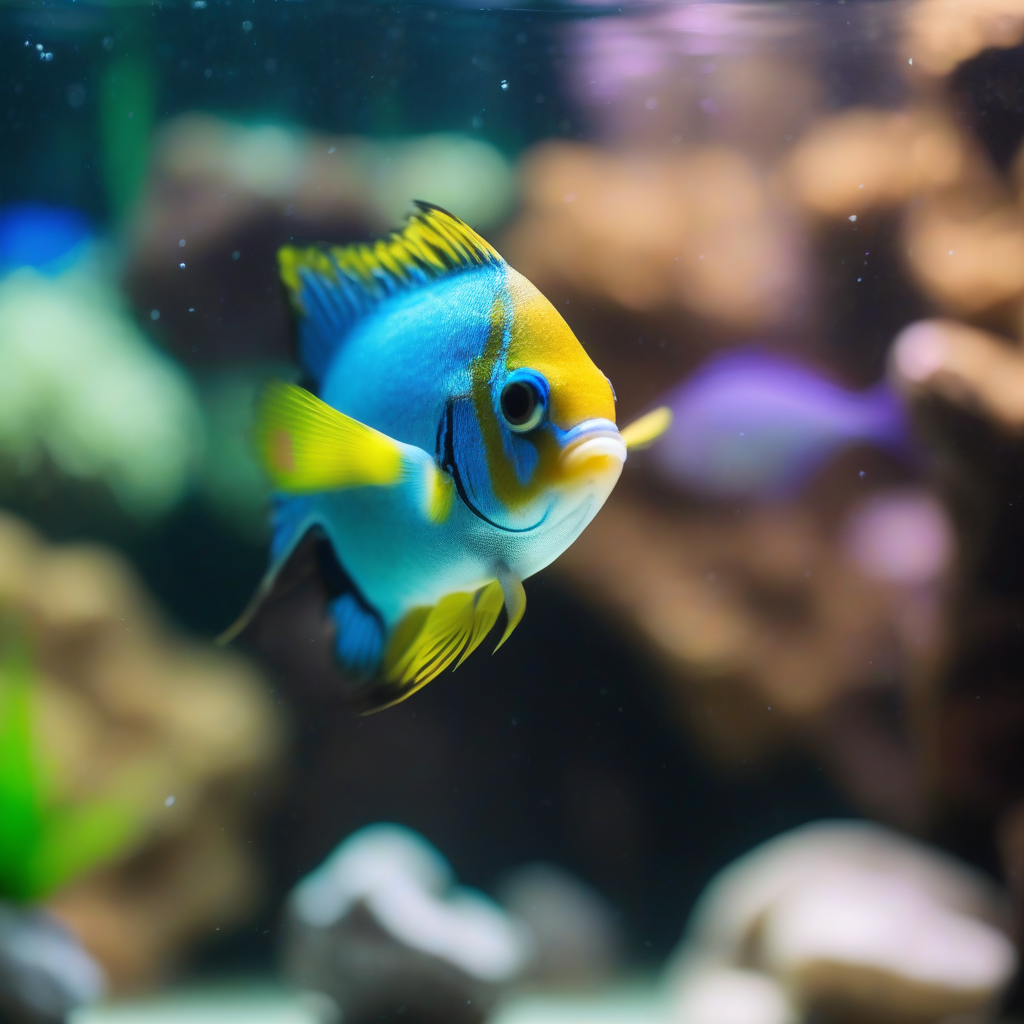
In this article, you will find comprehensive information on the insidious neurotoxic effects of heavy metal poisoning in aquarium fish, its symptoms, and lifesaving emergency intervention codes. This condition, which can arise from household water sources, improper equipment, or neglect, can severely threaten your fish's quality of life and lifespan.
Birds, with their colorful plumage and energetic demeanor, bring us joy as our beloved pets. The care we provide for their health and happiness often remains limited to nutrition and cleanliness. However, feather care in birds carries much deeper meanings than mere aesthetic concern. Feathers play a critical role in a bird's survival, reproduction, and social interactions. In this article, we will delve into the unknown care secrets that go beyond the shine of your bird's feathers, directly impacting their health and behavior.
The condition of a bird's feathers is one of the most obvious indicators of its overall health. However, interpreting this indicator accurately requires expertise. Not just the shine, but the structure, color, vitality, and molting pattern of the feathers also provide important clues. For instance, dull, brittle, or stained feathers can be precursors to nutritional deficiencies, stress, or underlying serious health issues.
While vitamins D and E often come to mind, there are many micronutrients for birds that are overlooked for their feather health. Specifically, biotin, zinc, selenium, and essential fatty acids (Omega-3 and Omega-6) are vital for the healthy development of feather follicles, promoting feather growth, and strengthening feather structure. Deficiencies in these nutrients can lead to weakened, easily breakable feathers, and even sudden molting. Just as we examine the nutritional dynamics beyond fiber in rabbits, there are also nutritional elements in birds that go beyond basic vitamins and directly affect feather health.
All birds molt their feathers during specific periods. However, excessive or irregular feather loss can be a sign of a serious problem. Underlying causes include stress, poor nutrition, parasitic infections, hormonal imbalances, and environmental factors.
Stress is one of the most common causes of feather loss in birds. Sudden changes, inadequate living space, social isolation, or loud noises can make a bird feel insecure. This can lead to behavioral issues like feather plucking, causing feathers to shed prematurely. In our article, Mysterious Feather Plucking (Plucking) Syndrome in Birds: Invisible Triggers and Scientific Care Secrets, we explore this topic in more detail.
External parasites (mites, lice, ticks) and internal parasites can cause discomfort, itching, and inflammation on a bird's skin, triggering feather loss. The principles discussed in our article Hidden Danger in Your Aquarium Fish: Overlooked Signs of External Parasites and Lifesaving Intervention Strategies are also applicable to birds.
Maintaining your bird's feathers involves more than just bathing. A comprehensive care routine will enhance your bird's overall well-being.
Most birds naturally need to clean and moisturize their feathers. Providing regular bathing opportunities helps maintain the natural oil balance of their feathers. This not only ensures cleanliness but also reduces the bird's stress and prevents behavioral issues. The water temperature, bathing frequency, and materials used can vary depending on the bird species. For example, tropical birds tend to bathe more frequently, while desert-dwelling species might prefer sand baths.
Regular cleaning of the cage prevents the proliferation of bacteria and fungi, protecting the bird's health. Simultaneously, the air quality in the cage's environment significantly impacts the feathers. In particular, cigarette smoke, chemical sprays, and overly dusty environments can negatively affect birds' respiratory tracts and feathers. As mentioned in our article, Invisible Threats in Your Bird's Sanctuary: The Health Secrets of Air Quality, Light Spectrum, and EMFs, environmental factors should not be overlooked.
If your bird has specific feather care needs (e.g., dry or dull feathers), use natural and safe products specifically formulated for birds, recommended by a veterinarian. Human shampoos or lotions can be harmful to the delicate skin structure of birds.
Feathers also reflect a bird's emotional state. Positions like fluffed, flattened, or erect feathers are important signals for understanding the bird's mood.
Birds express various emotions through their feathers. For instance, flattened feathers are often a sign of fear or anxiety. Fluffed feathers can indicate relaxation, drowsiness, or sometimes a warning. Our article, Your Bird's Silent Screams: Under-Wing Stress Signals and Hidden Emotional Needs, can help you understand this silent communication.
Social birds strengthen their social bonds by preening each other's feathers. This behavior not only provides cleanliness but also reinforces feelings of trust and closeness. Observing such behavioral interactions is important for understanding and strengthening the depth of the bond you have with your bird. Your Bird's Silent Conversation: The Mysteries of Under-Wing Communication and First Steps can guide you on this topic.
Feather care in birds is not just about achieving shiny and impressive plumage. It is a complex process that directly affects your bird's overall health, emotional well-being, and behavior. Every factor, from dietary habits to environmental factors, stress management to social interactions, determines the quality of feathers and your bird's quality of life. Remember, healthy feathers herald a happy bird. If you notice any abnormal condition in your bird's feathers, be sure to consult an avian veterinarian.
