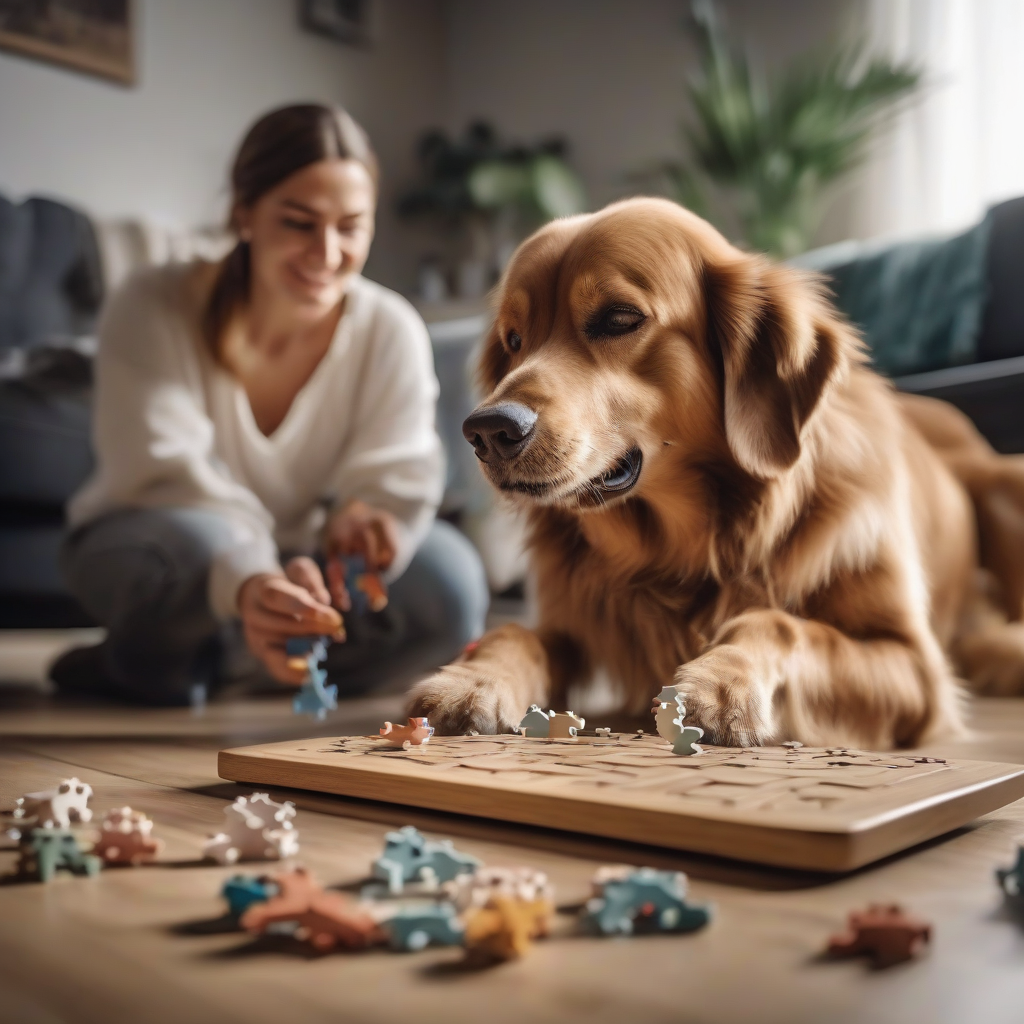
In this article, you will discover how to explore and develop your dog's problem-solving abilities, revealing scientific training secrets that unlock their mental potential. Beyond boosting intelligence, we'll delve into its behavioral benefits.


Discover the neurobiological signals of hidden stress your newly adopted cat experiences during adaptation to a new social environment. This article reveals 5 insidious signs of your cat's silent struggle and scientific strategies for peaceful, long-term harmony.

Your dog's anal sacs, located beneath the tail, can be hidden alarm bells often overlooked but profoundly affecting their quality of life. In this article, you will discover the 5 insidious neurobiological effects of anal sac problems on the brain and the lifesaving care secrets you need to know for your furry friend to live a peaceful life.
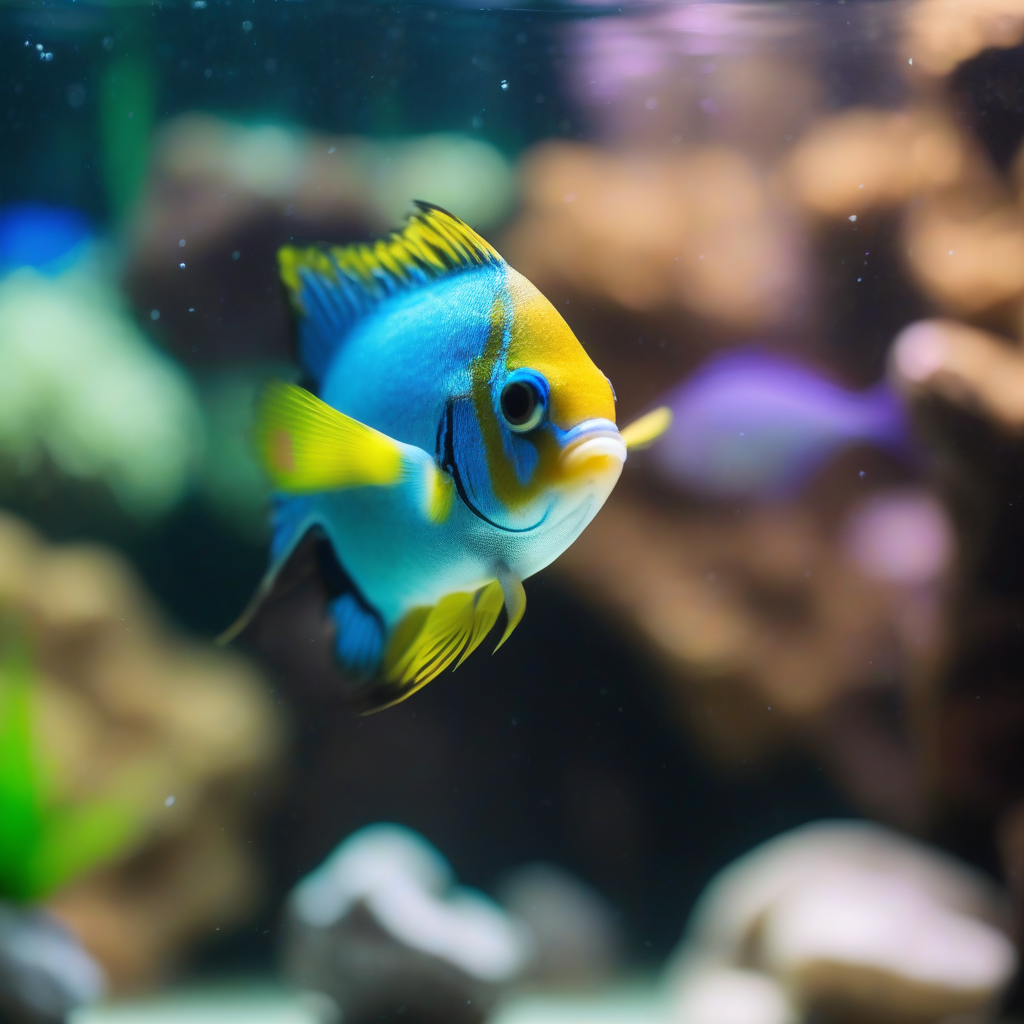
In this article, you will find comprehensive information on the insidious neurotoxic effects of heavy metal poisoning in aquarium fish, its symptoms, and lifesaving emergency intervention codes. This condition, which can arise from household water sources, improper equipment, or neglect, can severely threaten your fish's quality of life and lifespan.
Our dogs are not just loyal companions; they are also creatures with astonishing mental capacities. The way they perceive the world, approach problems, and process new information often leaves us humans in awe. However, we often don't realize that they might only be utilizing a fraction of this potential. As of March 2026, advancements in veterinary science are opening new doors to how we can enhance dogs' cognitive abilities beyond basic obedience training.
In this article, we reveal 5 fundamental scientific secrets that will guide you in developing your dog's problem-solving skills, allowing you to better understand their mental maps. These secrets offer a roadmap to a happier, more balanced dog and a stronger bond with you.
For dogs, mental stimulation is as crucial as physical exercise. When adequate mental activity is not provided, problems such as destructive behaviors, excessive barking, anxiety, and even depression can emerge. Keeping their brains active is indispensable for both their mental and physical health.
Mental stimulation keeps your dog's brain constantly active, aiding in the formation of new neural pathways. This improves their learning abilities, strengthens their memory, and can delay cognitive decline. Furthermore, it allows them to constructively channel their energy levels, enhancing overall peace in the home. Just as in humans, environmental enrichment in animals leads to calmer and more harmonious individuals. You can find more information on how to manage stress, which is part of training, in our article Your Dog's Secret Sanctuaries: Creating Stress-Reducing and Safe Haven Spaces.
Dogs with well-developed problem-solving skills adapt more easily to changes in their environment and new situations. This reduces the likelihood of negative behaviors such as fear, anxiety, or aggression. Your dog learns to respond more logically and calmly to unexpected circumstances. We should also not overlook the effects of a healthy diet on cognitive functions. Our article Dog Food Facts: Grain-Free vs. Gluten-Free? The Deep Secrets of Your Pet's Nutritional Needs will guide you in this regard.
Here are five scientifically based methods you can apply to enhance your dog's problem-solving abilities:
Dogs learn a great deal by observing humans and other dogs. This is called "social learning." You can use your own behaviors as a model to show your dog how to perform specific tasks. For example, start by demonstrating how to fetch a toy or open a particular box. Then, encourage them to perform the same behavior themselves. This process strengthens your dog's attention and imitation skills.
Dog puzzle games or interactive toys are excellent tools for developing problem-solving skills. However, it's important to avoid overly complex toys at first. Start with simple, treat-dispensing puzzles to ensure your dog experiences success rather than frustration. Over time, you can gradually increase the difficulty level. Mazes or hidden treat boxes require your dog to think through sequential steps to reach a goal.
Teaching your dog the names of different objects enhances their cognitive discrimination abilities. For instance, associate words like "ball," "teddy bear," or "rope" with specific toys. Then, place two different toys on the floor and ask them to retrieve a particular one. Initially, you can assist by pointing, gradually reducing help over time. These types of tasks reinforce language comprehension and decision-making skills.
Constantly enriching your dog's living environment stimulates their natural curiosity and desire to explore. Exposure to different textures, smells, and sounds keeps their brain active. Changing your routine walking routes, visiting new parks, or offering different types of toys are all part of this enrichment. This way, your dog continually encounters new stimuli, and their ability to adapt improves. Understanding emotional signals, as discussed in the article The Invisible Emotional World of Fish: A Scientific Look at Understanding Stress, Pain, and Joy Signals, can help you interpret your dog's reactions in new environments.
Positive reinforcement is fundamental in problem-solving training. When your dog makes a correct choice or solves a problem, immediately reward them with praise, treats, or play. This increases the likelihood of the desired behavior being repeated. When they make a mistake, instead of punishing them, guide them towards the correct answer. For example, if they pick up the wrong toy, you can gently nudge them towards the correct one or encourage them to try again. Patience and consistency are key to this process. Understanding canine communication forms the basis of training; on this topic, the article Masters of Silent Communication: Unleash Your Aquarium Fish's Intelligence Through Behavioral Training!, although about a different species, can be useful for understanding the principles of behavioral training.
One of the most common mistakes in problem-solving training is pushing the dog too hard. Starting with overly complex tasks or allowing the dog to fail repeatedly can break their motivation. Additionally, inconsistent rewarding or unclear commands can slow down the learning process. Remember, every dog learns at their own pace, and patience is the most crucial key to success.
Exploring your dog's mental potential and developing their problem-solving skills will be a rewarding experience not only for them but also for you. Through these scientific secrets, you will strengthen the bond with your companion and help them lead a happier, more balanced life.
