
Confused about your dog's nutritional needs? Discover the scientific truths behind grain-free and gluten-free foods, the best nutritional strategies for your dog, and little-known facts in this in-depth guide.


Discover the neurobiological signals of hidden stress your newly adopted cat experiences during adaptation to a new social environment. This article reveals 5 insidious signs of your cat's silent struggle and scientific strategies for peaceful, long-term harmony.

Your dog's anal sacs, located beneath the tail, can be hidden alarm bells often overlooked but profoundly affecting their quality of life. In this article, you will discover the 5 insidious neurobiological effects of anal sac problems on the brain and the lifesaving care secrets you need to know for your furry friend to live a peaceful life.
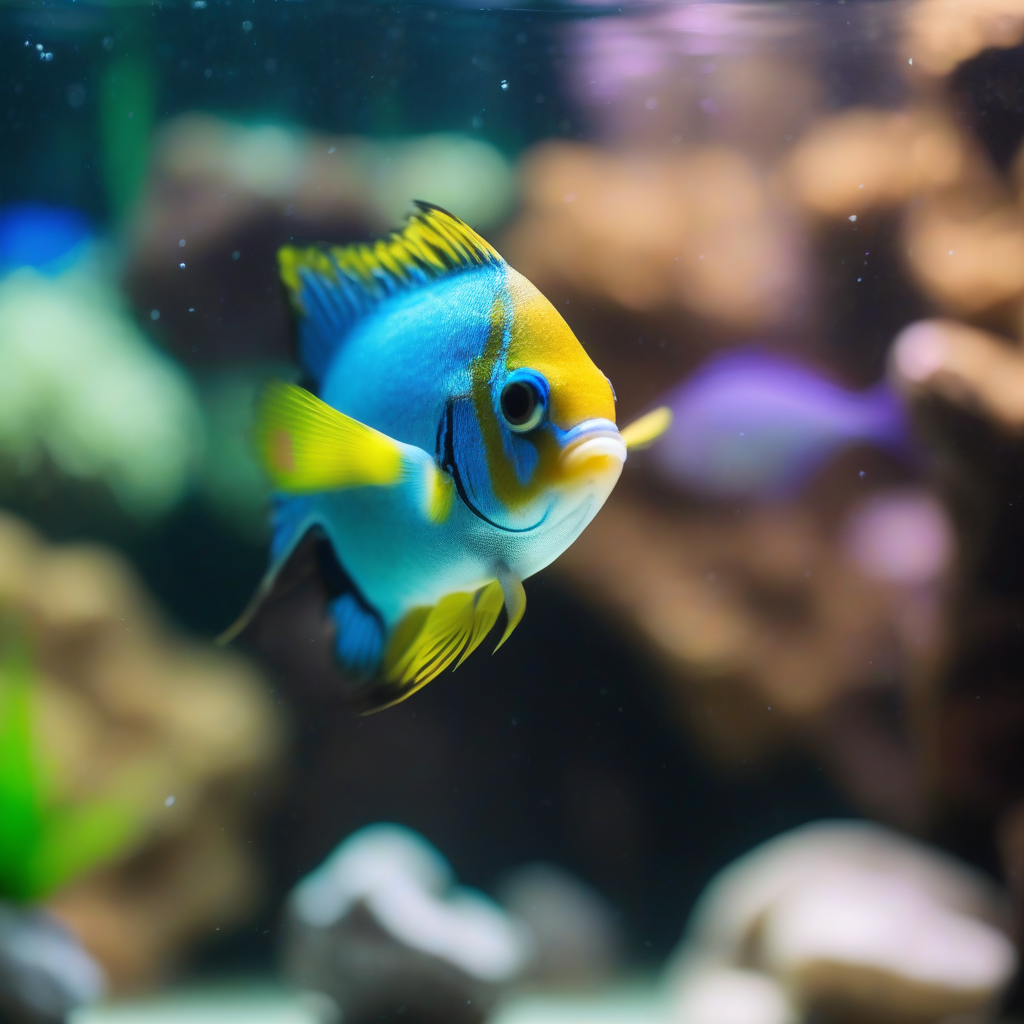
In this article, you will find comprehensive information on the insidious neurotoxic effects of heavy metal poisoning in aquarium fish, its symptoms, and lifesaving emergency intervention codes. This condition, which can arise from household water sources, improper equipment, or neglect, can severely threaten your fish's quality of life and lifespan.
As of March 2026, our understanding of pet nutrition is rapidly evolving. However, this evolution also brings a host of complex questions and misunderstandings. Particularly, terms like 'grain-free' and 'gluten-free' frequently encountered on dog food labels can be confusing for many pet owners. So, what are the scientific realities behind these trends? How can your dog's true nutritional needs be defined beyond these labels? In this article, we will shed light on the lesser-known aspects of canine nutrition through scientific research, providing in-depth information to help you optimize your dog's health.
The grain-free food trend has gained rapid popularity in recent years. Many owners believe grains are harmful to dogs and choose their food accordingly. However, scientific research paints a more complex picture. The truth is, most dogs do not experience any adverse reactions to consuming grains. In fact, grains can provide beneficial carbohydrates, vitamins, and minerals for dogs. For instance, whole grains are rich in digestible fiber, which is important for gut health.
Given their ancestral carnivorous tendencies, it's true that grains are not a primary nutrient for dogs. However, thousands of years of domestication have led to the development of canine digestive systems capable of processing some plant-based components. Research indicates that many dogs can successfully digest grain-based diets. The real issue lies with the type and quality of grain used. Instead of processed and low-quality grains, whole and nutritious grains (such as rice, oats) can be safe and beneficial for most dogs.
Gluten-free foods are vital for individuals with celiac disease or gluten sensitivity in humans. However, gluten intolerance in dogs is much rarer than grain allergies. Unless your dog has been diagnosed with a gluten sensitivity by a veterinarian, opting for gluten-free food is generally unnecessary. In some cases, removing gluten might increase the proportion of other potential allergens in the food (such as common protein sources like chicken or beef), potentially increasing the risk of allergies.
Certain dog breeds (e.g., Irish Setters) may be genetically predisposed to gluten intolerance. In such situations, switching to a gluten-free diet under veterinary guidance might be necessary. However, generally speaking, if you observe persistent symptoms like diarrhea, vomiting, skin problems, or itching in your dog, the first step should always be to consult a veterinarian. Self-prescribing a 'grain-free' or 'gluten-free' diet can disrupt your dog's nutritional balance.
When selecting food for your dog, it's important to look beyond the labels. Here's what to consider:
The canine gut microbiome plays a critical role in nutrient digestion, vitamin synthesis, and immune system regulation. Quality fiber sources and digestive-supportive ingredients help maintain this delicate balance. Nutritional principles from the article Your Rabbit's Secret World Chef: Nutritional Secrets Beyond Fiber Shaping the Microbiome can also be relevant for dogs. Microbiome health is one of the cornerstones of overall health, and this is directly linked to nutrition.
Choosing dog food should be less of a marketing race and more about understanding your dog's individual needs. Being grain-free and gluten-free is not solely a measure of quality. What matters is that the overall content of the food is high-quality, digestible, and balanced. Always consult your veterinarian to create the most suitable nutrition plan for your dog's lifestyle, health status, and potential allergies. Your informed choices will ensure your loyal companion lives a longer, healthier, and happier life.
