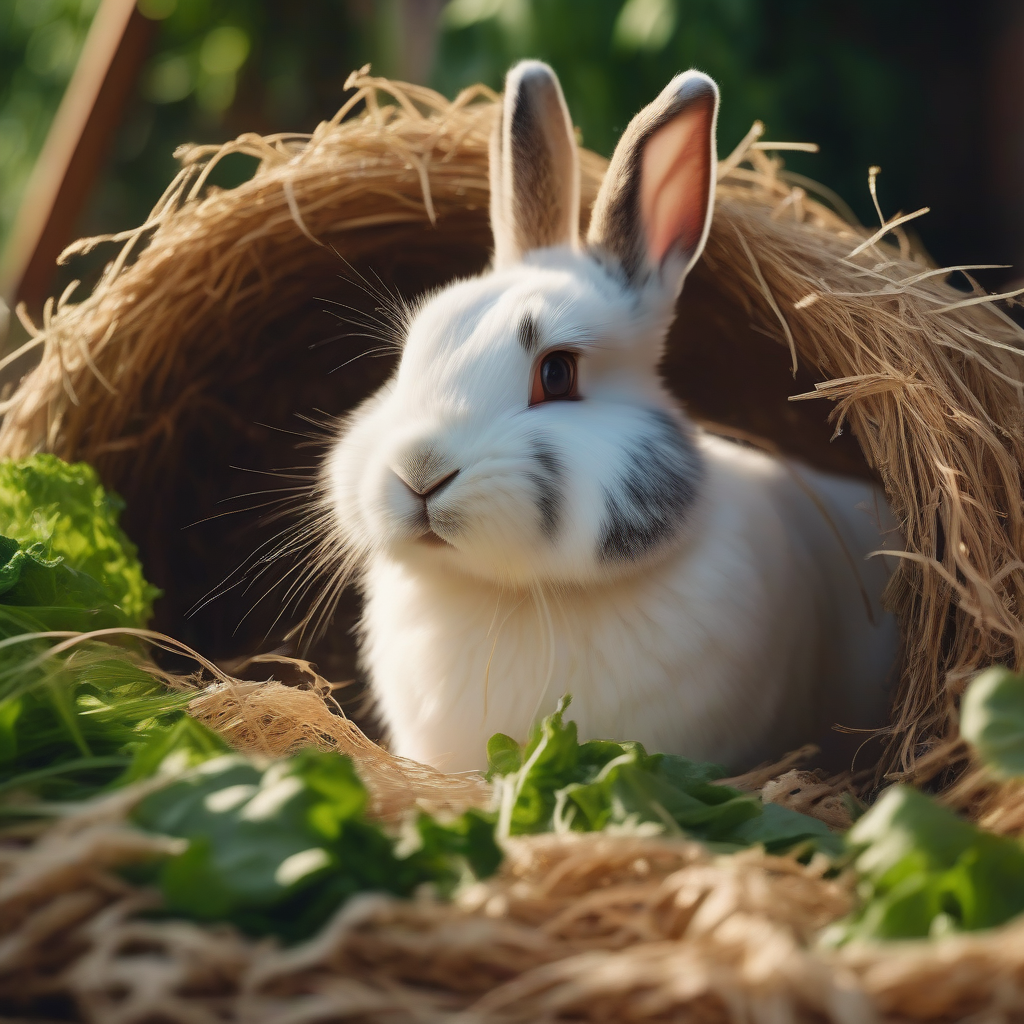
In this article, you will discover nutritional secrets beyond fiber that profoundly affect your rabbit's gut health and overall well-being, exploring the impact of different fiber types on the microbiome and strategies for optimal digestion.


Discover the neurobiological signals of hidden stress your newly adopted cat experiences during adaptation to a new social environment. This article reveals 5 insidious signs of your cat's silent struggle and scientific strategies for peaceful, long-term harmony.

Your dog's anal sacs, located beneath the tail, can be hidden alarm bells often overlooked but profoundly affecting their quality of life. In this article, you will discover the 5 insidious neurobiological effects of anal sac problems on the brain and the lifesaving care secrets you need to know for your furry friend to live a peaceful life.
In this article, you will find comprehensive information on the insidious neurotoxic effects of heavy metal poisoning in aquarium fish, its symptoms, and lifesaving emergency intervention codes. This condition, which can arise from household water sources, improper equipment, or neglect, can severely threaten your fish's quality of life and lifespan.
Rabbits, by nature, possess delicate digestive systems that require a diet rich in fiber. While most rabbit owners are familiar with the advice to "feed plenty of hay," a deeper dive into rabbit health reveals that fiber plays a role far beyond just a filler – it acts as a veritable "world chef." As of March 2026, scientific advancements in pet nutrition have shed clearer light on the complex structure of the rabbit gut microbiome and the surprising impact of this microflora on overall health. In this article, we will explore the nutritional secrets beyond fiber, the profound effects of different fiber types on the microbiome, and advanced strategies to support optimal digestive health for your rabbit to live a long and healthy life.
Rabbits have a highly specialized digestive system among herbivores. Through a unique process called cecal fermentation, they can process plant material with maximum efficiency. This process occurs in a special organ called the cecum, located between the large and small intestines. The cecum harbors a rich microbiota composed of trillions of beneficial bacteria, yeasts, and other microorganisms – essentially, your rabbit's own little "inner garden."
Fiber is arguably the cornerstone of a rabbit's diet. However, the benefits of fiber are not limited to ensuring gut motility. The right types of fiber play critical roles across a wide spectrum, from dental wear to the balance of the gut microbiome, and even immune system functions. Insufficient or incorrect fiber intake can lead to numerous health issues, ranging from oral health problems like Malocclusion in Rabbits: The Hidden Oral Health Threat and Vital Care Secrets to urinary system issues such as Urinary Tract Health in Rabbits: Insidious Stones, Sludge, and Vital Preventive Care Secrets.
Rabbits cannot directly digest the plant fibers they eat. Instead, microorganisms in the cecum ferment these fibers, releasing nutrients (such as B vitamins, K vitamin, and certain amino acids) that the rabbit cannot directly utilize. These nutrients are then obtained by consuming special droppings called cecotropes. Therefore, a healthy microbiome is vital for your rabbit to fully benefit from its food. Our article Your Rabbit's Secret Energy Source: The Delicate Dance Between the Digestive Microbiome and Immune System explores this topic in more detail.
The term "fiber" actually encompasses a wide variety of components, and each type of fiber has a different impact on rabbit health.
Insoluble fibers (cellulose, hemicellulose), which make up a large portion of hay, act as a broom in the rabbit's digestive system. They increase fecal bulk, promote gut motility, ensure the regular flow of digesta through the digestive tract, and help prevent serious conditions like Tavşanlarda Sessiz Tehlike: GI Staz (Bağırsak Durması) ve Hayat Kurtaran Acil Müdahale Rehberi. It also has a crucial role in natural dental wear.
Soluble fibers (such as pectin, inulin, fructooligosaccharides) form a gel-like substance in the digestive system and do not pass as quickly as insoluble fibers. Most importantly, they are an ideal food source for beneficial bacteria in the cecum (prebiotic effect). The fermentation of these fibers produces short-chain fatty acids (SCFAs) like acetate, propionate, and butyrate. SCFAs are the primary energy source for intestinal cells, modulate the immune system, and help reduce inflammation. Different types of hay (timothy, oat, orchard), leafy greens (lettuce, parsley, cilantro), and some vegetables (carrots, broccoli) contain varying proportions of soluble fiber.
Lignin is a component of plant cell walls found along with insoluble fibers and is indigestible. It passes unchanged through the digestive tract but serves as an important "skeleton" for the digestive process. Additionally, some secondary metabolites in plants (flavonoids, phenolic compounds), while not directly fiber, can have positive effects on the microbiome and general health due to their antioxidant and anti-inflammatory properties. Various herbs and greens in a rabbit's diet can provide these compounds.
To support your rabbit's microbiome, simply saying "fiber" is not enough; it is essential to provide the right types of fiber, in the correct proportions, and from the right sources.
Hay should constitute 80-90% of a rabbit's diet. Grass hay (timothy, oat, orchard hay) is an excellent source of insoluble fiber. However, by combining different types of hay, you can provide both diverse fiber profiles and different micronutrients. Ensure the hay is fresh, mold-free, and fragrant.
Offering a variety of fresh leafy greens daily provides a rich source of soluble fibers, vitamins, minerals, and secondary plant compounds. Safe options like lettuce (romaine, red leaf), parsley, cilantro, mint, dill, and dandelion greens should be preferred. Rotating greens instead of consistently feeding the same one supports microbiome diversity.
Low-sugar vegetables (broccoli, cauliflower leaves, celery stalks) and very small amounts of fruits (as treats) can be added to the diet. Wild herbs (wild clover, nettle leaves - dried and chopped) also offer rich diversity for the microbiome, but correct identification is crucial to avoid poisonous plants.
High-quality, fiber-rich, and low-sugar pellets should be a small part of a balanced diet (5-10%). For older rabbits or those with special nutritional needs, specific formulations can be used under veterinary recommendation. However, pellets should never replace hay.
Diets high in starch (grains), high in sugar, and low in fiber disrupt the balance of beneficial bacteria in the cecum. This can lead to the proliferation of harmful bacteria and toxin production.
An unbalanced microbiome can cause digestive issues such as gas, bloating, diarrhea, or constipation. One of the most severe consequences is GI stasis, where gut motility completely stops. This is a life-threatening emergency for rabbits.
A healthy microbiome is the foundation of a strong immune system. Imbalances in the microbiome can reduce a rabbit's resistance to diseases.
As of March 2026, personalized approaches to rabbit nutrition are gaining prominence. Diets optimized according to your rabbit's age, health status, activity level, and even individual microbiome profile (which will become more accessible in coming years) are becoming critical for long-term health management. Regular veterinary check-ups and nutritional counseling from your veterinarian are the best ways to ensure your rabbit's dietary needs are properly met. Remember, a healthy digestive system for your rabbit is the key to its overall well-being and happiness.
