Your Dog's Safe Harbor: The Unknown Secrets to Creating Stress-Reducing Sanctuary Spaces
Every pet owner wants their companion to be happy and healthy. For dogs, a cornerstone of this happiness is having private spaces where they can feel safe, relax, and retreat. This is particularly crucial during stressful or exciting times. So, how do we create these 'safe havens' for your dog? In this article, you'll find in-depth, SEO-optimized information on how to make your dog's living space more comfortable and secure for them.
Why Do Dogs Need Sanctuary Spaces?
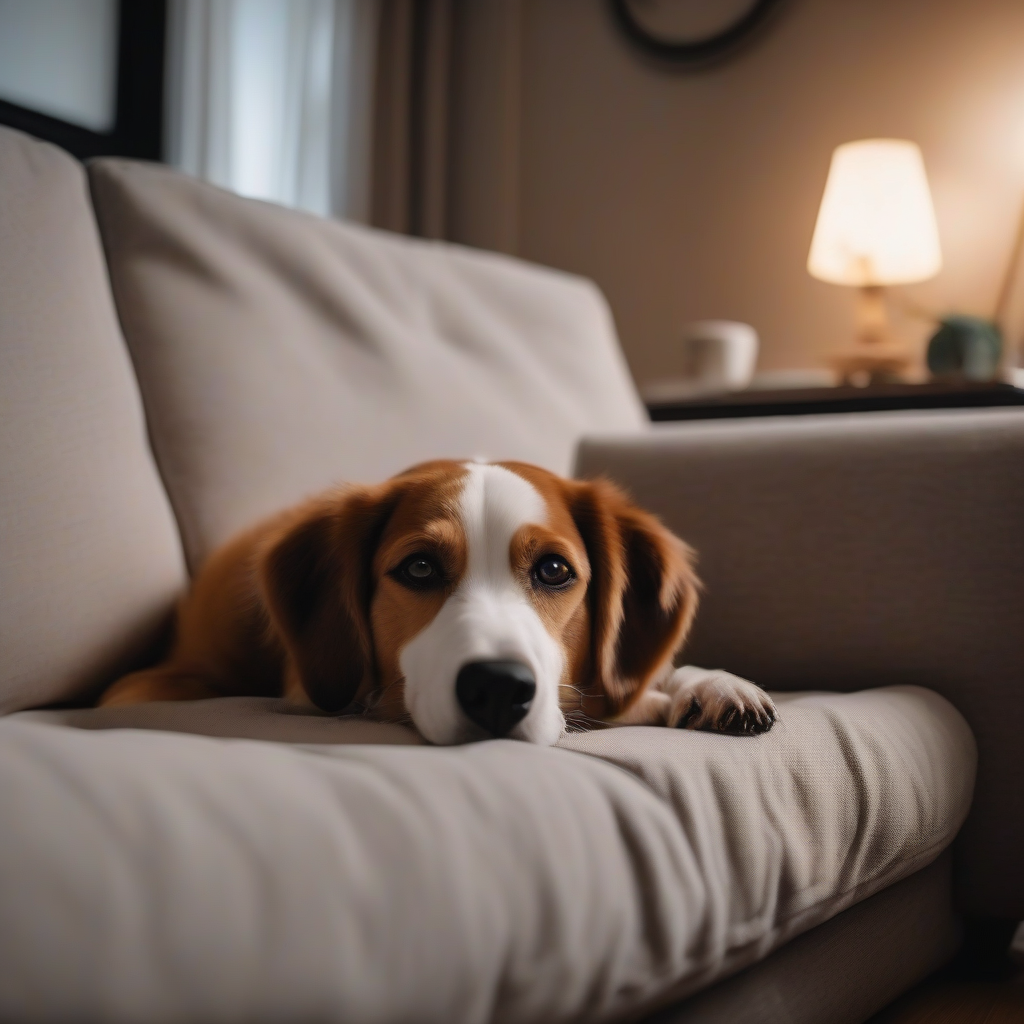
While dogs are naturally social creatures, they also need spaces where they can be alone and rest without observation. This need stems from instincts inherited from their ancestors. In the wild, mother dogs raising their pups would build secure dens away from danger. This denning instinct continues in our domestic dogs today.
A dog's need for a sanctuary space can include:
- Sense of Security: The need to escape from noise, activity, or other pets (especially for those who prefer a quieter environment).
- Stress Management: A mechanism to reduce stress experienced when visitors arrive, during loud activities, or when left alone.
- Sleep and Rest: Quality, uninterrupted sleep is critical for overall physical and mental health.
- Personal Space: Having an area they can retreat to voluntarily, without interference, enhances their sense of autonomy.
Strategies for Creating the Perfect Sanctuary Space for Your Dog
Creating a sanctuary space involves more than just placing a bed. It means designing a custom area for your dog by understanding their preferences and behaviors.
1. Location: Choosing the Right Spot is Crucial
The location of the sanctuary space directly affects how secure your dog feels. An ideal sanctuary space is:
- Low-Traffic Area: A corner of the house that is away from the main living areas, but not completely isolated, is ideal. Instead of entrances or constantly used hallways, a corner of the living room or a quiet bedroom can be preferred.
- Observation Point: A spot where your dog can both relax and observe their surroundings (e.g., the doorway) can satisfy their need to remain alert.
- Temperature and Airflow: It should be away from direct sunlight, drafts, and extreme heat or cold.
2. Types of Sanctuaries: Beyond the Classic
Every dog is different, and their preferences vary accordingly. Consider sanctuary types that suit your dog's personality:
- Elevated Beds and Crate Dens: Dogs naturally tend to prefer elevated areas. This offers them a better vantage point and protection from uncomfortable ground-level disturbances. Consider reading about dog food facts: grain-free vs. gluten-free? the deep secrets of your pet's nutritional needs as good nutrition supports overall well-being and these positive experiences.
- Enclosed Crates or Tunnels: Some dogs love areas where they can be completely enclosed and feel secure. Specially designed dog crates or even a corner bed surrounded by blankets can fulfill this need. The basic goal here is to create a 'den' feeling.
- Corner Beds: Corner areas, naturally bordered by two walls, provide a more protected feel. These types of beds allow your dog to be both comfortable and feel secure.
- Exercise Pens or Play Areas: Exercise pens or play areas can be used to provide your dog with a dedicated space while reinforcing their training. These areas, when equipped with soft bedding, toys, and a water bowl, can become a sanctuary space for your dog's daily life. This is particularly beneficial for dogs adjusting to a new home or experiencing some behavioral issues. Incorporating scent games for mental stimulation in these areas is also recommended.
3. Interior Design: Comfort and Sensory Experience
When decorating the interior of a sanctuary space, consider your dog's sensory needs:
- Soft and Comfortable Materials: Opt for orthopedic or plush materials that are gentle on your dog's coat and comfortable to curl up on.
- Familiar Scents: Placing your dog's favorite blankets or toys in the sanctuary space will make it feel more familiar and secure. This is especially important for dogs adjusting to a new environment. Areas with their own scent are symbols of security for animals.
- Toys and Mental Stimulation: The sanctuary space can also include safe toys for your dog to play with while relaxing. However, ensure it doesn't become overly stimulating.
Sanctuary Space Training: Patience and Consistency
It's important not to force your dog into their sanctuary space. Instead, encourage your dog to explore and use the area voluntarily.
- Positive Reinforcement: Reward your dog when they enter or remain calm in their sanctuary space. Tasty treats or praise will help them associate the area with a positive experience. As mentioned in topics like dog food facts: grain-free vs. gluten-free? the deep secrets of your pet's nutritional needs, nutrition is part of overall well-being and can support these positive experiences.
- Never Punish: The sanctuary space is a retreat for your dog. Never punish them or force them out of this area. This will undermine the perceived security of the space.
- Silence and Peace: Ensure your dog is not disturbed when they are in their sanctuary space. Inform family members and guests that this is your dog's personal space and should not be intruded upon.
Additional Considerations
- Hygiene: Regular cleaning of the sanctuary space is important to protect against parasites and potential diseases. Especially in the spring, paying attention to topics like 2026 Spring: Next-Generation Parasite Control and Prevention Strategies for Pets – A Comprehensive Shield Against Invisible Threats is crucial.
- Aging and Health: Senior dogs or those with chronic conditions may require more quiet and comfortable spaces. Information like Senior Pet Nutrition and Digestive Optimization in Spring: From Reduced Mobility to Strong Immunity Comprehensive Guide (March 2026) plays a role in improving their quality of life.
- Individual Differences: Every dog's temperament and needs are different. Some dogs prefer completely enclosed spaces, while others might find a quiet corner sufficient. Observe your dog's behavior carefully to determine what is best for them.
Creating a dedicated sanctuary space for your dog is one of the best investments you can make in their emotional and physical health. This space will offer them not just a bed, but also unconditional security and love.