
In this article, you will find all the necessary information for your pets to navigate the spring transition in the healthiest and happiest way from March 2026 onwards: energy levels, immune system strengthening, and behavioral adaptation tips.


Discover the neurobiological signals of hidden stress your newly adopted cat experiences during adaptation to a new social environment. This article reveals 5 insidious signs of your cat's silent struggle and scientific strategies for peaceful, long-term harmony.

Your dog's anal sacs, located beneath the tail, can be hidden alarm bells often overlooked but profoundly affecting their quality of life. In this article, you will discover the 5 insidious neurobiological effects of anal sac problems on the brain and the lifesaving care secrets you need to know for your furry friend to live a peaceful life.
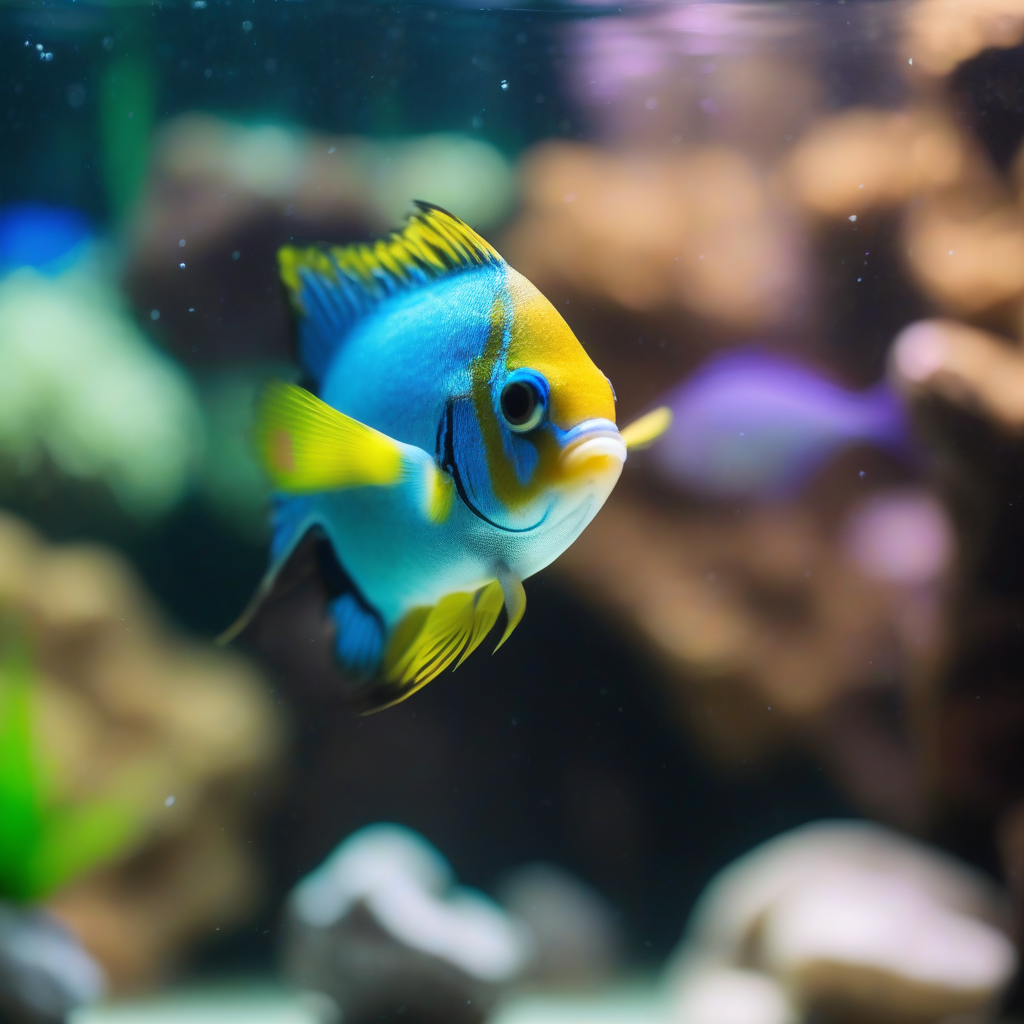
In this article, you will find comprehensive information on the insidious neurotoxic effects of heavy metal poisoning in aquarium fish, its symptoms, and lifesaving emergency intervention codes. This condition, which can arise from household water sources, improper equipment, or neglect, can severely threaten your fish's quality of life and lifespan.
As we step from the quiet of winter into the vibrancy of spring from March 2026 onwards, it is crucial for our beloved companions to make this transition smoothly and healthily. After the more sedentary lifestyle of the winter months, the energy of spring can lead to significant changes in both the physical and behavioral aspects of our pets. In this guide, we will provide up-to-date information and strategies to help our cats and dogs embrace the 2026 spring season with maximum vitality, energy, and harmony.
Winter months, with reduced outdoor activities and changing light conditions, can cause fluctuations in our pets' energy levels. With the arrival of spring, we can naturally expect them to become more active and curious. However, supporting this transition is important.
March is the time for dogs to spend more time outdoors, discover new scents, and engage in physical activities. Increased energy levels, if not properly channeled, can lead to undesirable behaviors. Daily long walks, visits to dog parks, and mentally stimulating toys will help them expend their energy in a healthy way.
Cats typically experience a surge of activity during the spring months. Instincts for climbing, running, and hunting become more prominent. Regular play sessions with household toys, using interactive laser pointers, and providing vertical spaces like climbing trees support their physical and mental well-being. Their increased energy and curiosity during this period necessitate caution against unexpected accidents. For instance, if your cats spend more time by windowsills, it would be beneficial to review Pet-Friendly Home and Garden in 2026: A Comprehensive Guide for Spring Safety.
Seasonal changes can impact the immune systems of pets. The increase in airborne pollen during spring and the higher likelihood of encountering more germs and parasites outdoors can make them more vulnerable.
The overall health and immune strength of pets largely depend on the balance of their gut microbiomes. During the spring transition, potential changes in diet or stress can disrupt microbiome balance. Supplements containing prebiotics and probiotics, or specially formulated foods, can help maintain this balance. For more information on this topic, you can refer to The Pet Gut Microbiome: Key to Healthy Living in 2026.
Climate change influences the life cycles and geographical distribution of parasites, leading to new parasitic threats emerging in the spring. Establishing a proactive protection plan against fleas, ticks, and internal parasites will safeguard your pet's health from serious diseases. By consulting with your veterinarian, you can determine the appropriate strategy for your region's current parasitic risks, as detailed in Advanced Parasite Protection for Pets in 2026: New Strategies Against Climate Change.
Seasonal changes can sometimes trigger behavioral issues in pets. Especially in spring, increased outdoor noises, pollens, and changes in weather patterns can cause anxiety in some animals.
Seasonal allergies in dogs during spring can increase anxiety levels by causing itching and discomfort. Similarly, in cats, responses to environmental changes can lead to behavioral problems. For the diagnosis and management of seasonal allergies in dogs, you can consult Seasonal Allergies in Dogs 2026: Latest Diagnostic and Treatment Approaches. In general, for managing anxiety in pets, behavioral modification techniques and, if necessary, natural calming agents can be used under the guidance of your veterinarian. Pet Anxiety Management: A Comprehensive Guide for a Calm and Happy Life in 2026 offers valuable insights on this subject.
Establishing a consistent daily routine during the spring transition helps pets feel secure. Specific times for feeding, walks, and play can reduce potential behavioral issues. Changes in diet during spring can directly affect their energy levels and overall well-being. Therefore, reviewing Spring 2026 Cat and Dog Nutrition: Latest Trends and Health-Focused Recommendations will be beneficial.
Spring 2026 presents both an opportunity for renewal and potential health challenges for your pets. Managing their energy levels appropriately, strengthening their immune systems, and being prepared for possible behavioral changes will ensure they experience this season in the healthiest and happiest way. Not skipping annual veterinary check-ups and taking early precautions against potential health issues are key to a long and healthy life. Annual Veterinary Check-ups and Vaccination Schedule for Pets in 2026: A Comprehensive Guide for a Healthy and Happy Life will help you plan this process.
