
In this article, you will find comprehensive information on the signs, diagnosis, and scientifically-backed modern treatment approaches for anxiety in dogs and cats, aligned with 2026 pet trends. Discover current strategies to keep your companion calm and happy with expert veterinary advice.


Discover the neurobiological signals of hidden stress your newly adopted cat experiences during adaptation to a new social environment. This article reveals 5 insidious signs of your cat's silent struggle and scientific strategies for peaceful, long-term harmony.

Your dog's anal sacs, located beneath the tail, can be hidden alarm bells often overlooked but profoundly affecting their quality of life. In this article, you will discover the 5 insidious neurobiological effects of anal sac problems on the brain and the lifesaving care secrets you need to know for your furry friend to live a peaceful life.
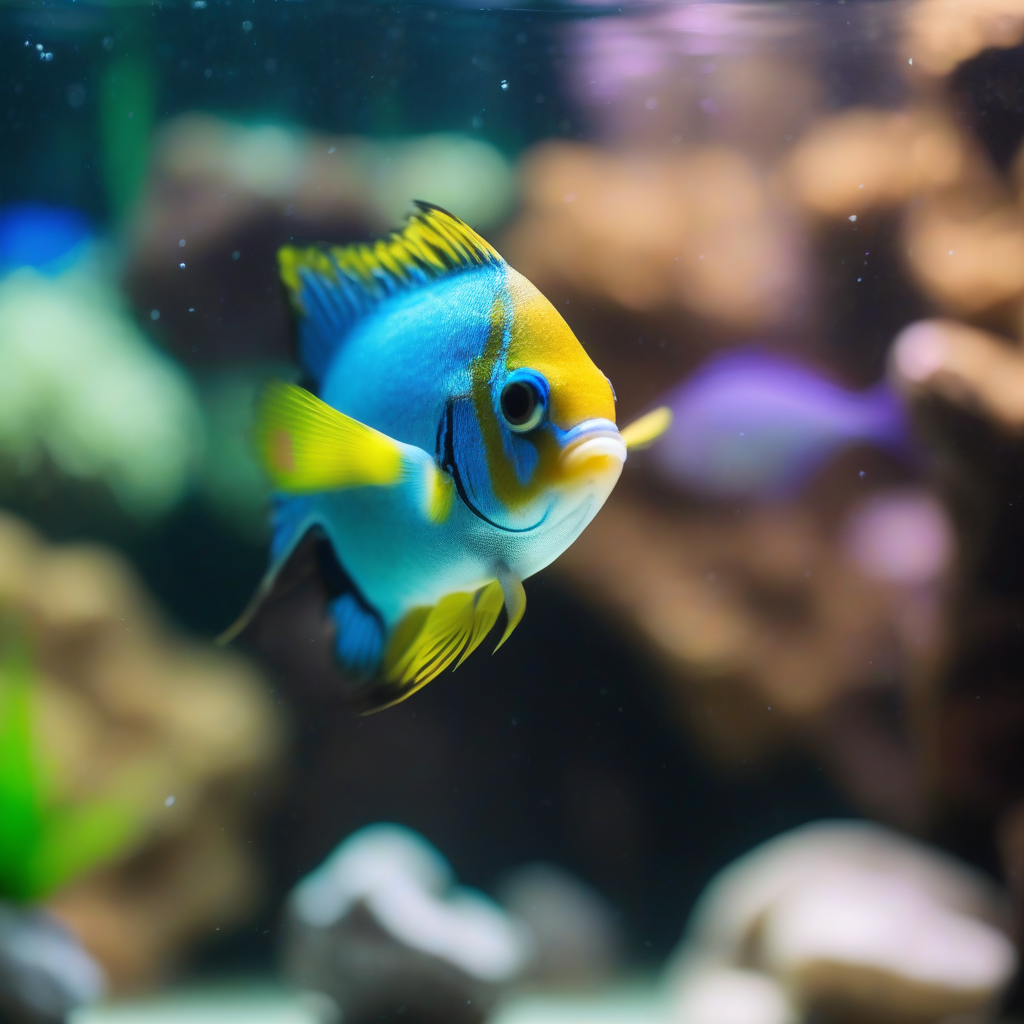
In this article, you will find comprehensive information on the insidious neurotoxic effects of heavy metal poisoning in aquarium fish, its symptoms, and lifesaving emergency intervention codes. This condition, which can arise from household water sources, improper equipment, or neglect, can severely threaten your fish's quality of life and lifespan.
As we enter 2026, the mental well-being of our pets is as much a priority as their physical health. Thanks to the challenges of urban living, increased awareness, and advancing veterinary science, pet anxiety and stress management have become more crucial than ever. This guide presents the most up-to-date approaches and strategies for 2026 to help our companions lead calmer, more balanced, and happier lives.
Pet anxiety is a complex condition that can arise from various factors. In 2026, the most common types of anxiety and their causes include:
One of the most prevalent types of anxiety, characterized by extreme stress responses when the pet is separated from its owner. In the post-pandemic era, with owners spending less time at home, it's observed to be re-triggered in some animals. While technological advancements like smart home systems and remote interaction devices offer new opportunities to alleviate this issue, fundamental behavioral interventions remain critically important.
Extreme fear and anxiety towards loud noises such as fireworks, thunderstorms, or strong winds. With increasing urbanization, continuous exposure to sounds like traffic noise and construction can also become chronic stress factors.
A constant state of worry or stress without a clear trigger. Genetic predisposition, early life experiences, and environmental factors can contribute to this condition.
Difficulty, fear, and shyness in interacting with other animals or people. Insufficient socialization or traumatic experiences can lead to this condition.
Anxiety symptoms can vary from one animal to another. Early diagnosis is vital for developing an effective management strategy. In 2026, modern veterinary medicine offers advanced observation techniques and tools to help us better understand these symptoms:
In 2026, thanks to smart pet tracking devices and camera systems, you can observe your pet's behavior even when you're not home and share this data with your veterinarian to help make a more accurate diagnosis.
A multidisciplinary approach is essential for treating pet anxiety. Your veterinarian, a behavior specialist, and you are the cornerstones of this process.
Mental and physical stimulation are crucial, especially for pets living in urban environments. Popular practices in 2026 include:
Positive reinforcement-based training techniques play a fundamental role in anxiety management. Methods like desensitization and counter-conditioning help animals develop positive responses to stimuli they fear or are anxious about. Veterinary behaviorists or certified animal trainers can guide you in correctly applying these techniques.
In severe anxiety cases, your veterinarian may recommend medication in addition to behavioral therapies. More targeted medications and natural supportive supplements developed in 2026 are available. These may include:
In 2026, technology has become a significant aid in pet anxiety management:
Managing pet anxiety is a process that requires patience, consistency, and professional guidance. With the current knowledge and technological possibilities available in 2026, supporting our companions' mental health and offering them a better quality of life is more achievable than ever. Remember that every animal is unique, and working closely with your veterinarian and behavior specialists is always the best approach for the most effective strategy. A healthy and happy pet is the key to a happy family.
