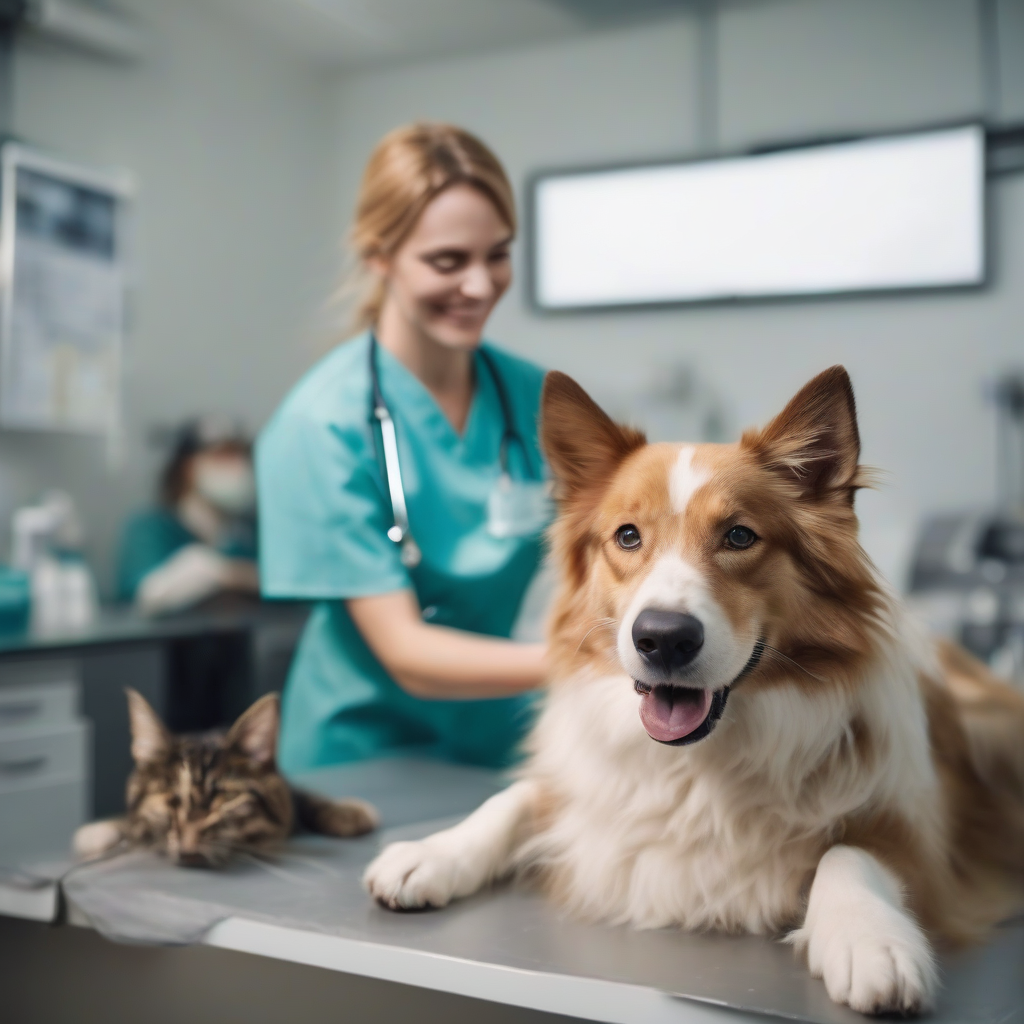
In this article, you will find comprehensive information about your pets' annual veterinary check-ups, vaccination schedules, and preventive health strategies for 2026. Discover everything you need to know to ensure they live a long and healthy life.


Discover the neurobiological signals of hidden stress your newly adopted cat experiences during adaptation to a new social environment. This article reveals 5 insidious signs of your cat's silent struggle and scientific strategies for peaceful, long-term harmony.

Your dog's anal sacs, located beneath the tail, can be hidden alarm bells often overlooked but profoundly affecting their quality of life. In this article, you will discover the 5 insidious neurobiological effects of anal sac problems on the brain and the lifesaving care secrets you need to know for your furry friend to live a peaceful life.
In this article, you will find comprehensive information on the insidious neurotoxic effects of heavy metal poisoning in aquarium fish, its symptoms, and lifesaving emergency intervention codes. This condition, which can arise from household water sources, improper equipment, or neglect, can severely threaten your fish's quality of life and lifespan.
As of March 2026, protecting our beloved pets' health and ensuring they lead long, happy lives is more important than ever. With temperatures starting to rise and nature reawakening, bringing with it an increase in outdoor activities, this period is an excellent opportunity to review your pets' regular veterinary check-ups and vaccination schedules. Preventive healthcare is key to detecting potential health issues early and intervening before they become severe.
Many pet owners only feel the need to visit the vet when their animal is visibly ill. However, annual veterinary check-ups are vital for monitoring your pets' overall health and catching potential problems before they even show symptoms. Most pets tend to hide their pain or discomfort, making it challenging for us to realize they are suffering. Through physical examinations, blood tests, and other diagnostic tests performed during regular check-ups, your veterinarian can diagnose diseases in their early stages and create treatment plans that significantly improve their quality of life. These check-ups also provide an opportunity to assess your pet's specific needs based on their age, breed, and lifestyle.
Vaccinations are one of the most effective ways to protect your pets against many deadly diseases. The 2026 vaccination schedule includes both core and non-core (risk-based) vaccines. Your veterinarian will determine the most appropriate vaccination protocol by assessing your pet's lifestyle, geographical region, and other risk factors.
Additional vaccinations may be recommended based on your pet's exposure risk. For instance, for dogs, this might include the kennel cough (Bordetella bronchiseptica) vaccine or Lyme disease vaccine; for cats, the Feline Infectious Peritonitis (FIP) vaccine. A discussion with your veterinarian will help you understand which vaccines are critical for your pet.
Annual veterinary check-ups are not limited to vaccinations; they are also a crucial part of a comprehensive advanced parasite protection strategy. Internal parasites (like intestinal worms) and external parasites (like fleas and ticks) can severely threaten your pets' health and, in some cases, can be transmitted to humans (zoonotic diseases). In an era where parasite populations and distributions are shifting due to climate change, an effective parasite prevention program is vital. Your veterinarian will recommend the most suitable antiparasitic medications and protection methods for your pet.
An annual veterinary visit typically includes:
As March arrives, the time spent outdoors with your pets will increase. Ensure that your vaccinated and parasite-protected pets can play safely in a pet-friendly safe garden by taking the necessary precautions. Being vigilant against potential hazards like toxic plants, chemicals, and pesticides is a critical step in protecting their health.
In 2026, consistently following your pets' annual veterinary check-ups and vaccination schedules forms the foundation for them to live a healthy, long, and happy life. A strong collaboration with your veterinarian will enable you to develop customized solutions for your pets' needs and provide them with the best care they deserve. Remember, preventive care is always more effective and less costly than reactive treatment.
