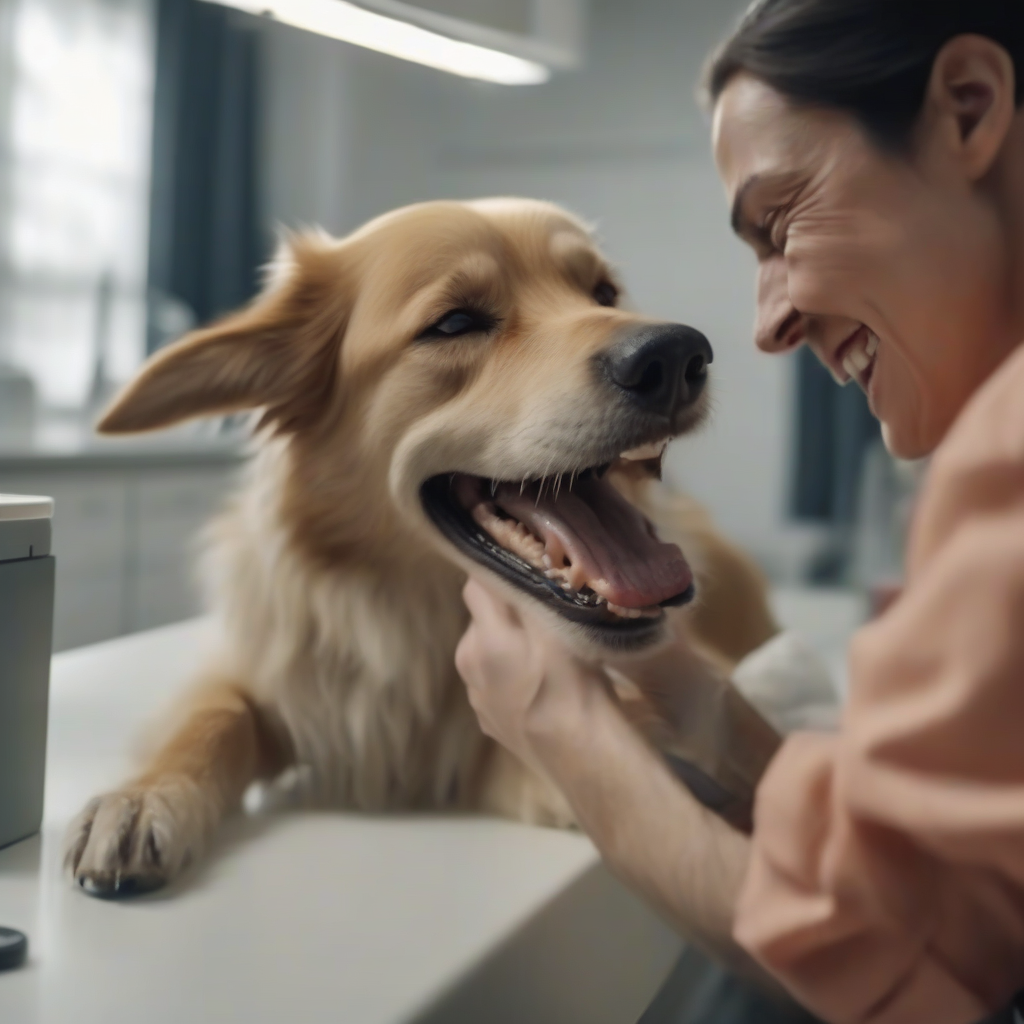
In this article, you will find comprehensive information on the importance of dog dental health, common dental diseases, professional and home oral care strategies, and innovations in 2026.


Discover the neurobiological signals of hidden stress your newly adopted cat experiences during adaptation to a new social environment. This article reveals 5 insidious signs of your cat's silent struggle and scientific strategies for peaceful, long-term harmony.

Your dog's anal sacs, located beneath the tail, can be hidden alarm bells often overlooked but profoundly affecting their quality of life. In this article, you will discover the 5 insidious neurobiological effects of anal sac problems on the brain and the lifesaving care secrets you need to know for your furry friend to live a peaceful life.
In this article, you will find comprehensive information on the insidious neurotoxic effects of heavy metal poisoning in aquarium fish, its symptoms, and lifesaving emergency intervention codes. This condition, which can arise from household water sources, improper equipment, or neglect, can severely threaten your fish's quality of life and lifespan.
When it comes to the overall health of our beloved pets, oral and dental health is often an overlooked yet critically important area. As of 2026, thanks to advancements in veterinary medicine and increased awareness, it has become clear that oral hygiene in dogs is much more than just preventing bad breath. Healthy teeth are a fundamental prerequisite for your dog to live a long, happy, and pain-free life. In this comprehensive guide, we will explore why dog dental health is so crucial, common dental problems, professional veterinary interventions, at-home care routines you can implement, and the notable innovations emerging in 2026.
Many pet owners might consider their dog's bad breath "normal." However, bad breath (halitosis) is often the first sign of an underlying dental disease. Issues like gingivitis and periodontal disease can lead to serious health problems not only in the mouth but throughout the entire body. Bacteria from gum infections can enter the bloodstream, reaching vital organs such as the heart, liver, and kidneys, causing damage and severe illnesses. Research conducted in 2026 continues to demonstrate that regular dental care reduces chronic inflammation and significantly improves dogs' quality of life.
Dogs, much like humans, are prone to tartar and plaque buildup. These accumulations, if left untreated, lead to various diseases:
Food particles, bacteria, and saliva combine to form plaque, a sticky film on the tooth surface. When plaque hardens, it turns into tartar and can advance beneath the gumline.
Gingivitis develops when tartar irritates the gums. The gums become red, swollen, and may bleed. At this stage, the disease is reversible.
Untreated gingivitis progresses to periodontal disease, causing irreversible damage to the gums and the bone structures supporting the teeth. This condition can lead to tooth loss, severe pain, and systemic infections.
Teeth can break due to chewing hard objects, trauma, or wear. Additionally, some dog breeds may have genetic predispositions such as misaligned teeth or retained deciduous teeth.
Symptoms:
No matter how important home care is, a professional veterinary dental examination and cleaning are indispensable. In 2026, veterinary dentistry has further advanced with the following approaches:
Oral examinations during annual veterinary check-ups are key to early detection of dental problems. Advanced digital radiography technologies have made it much easier to detect issues below the gumline, root problems, and bone loss.
Professional cleaning of your dog's teeth, similar to humans, is performed under anesthesia. As of 2026, anesthetic protocols have become safer, with pre-anesthetic blood tests and continuous monitoring of vital signs (heart rate, respiration, oxygen saturation, blood pressure) during anesthesia becoming standard procedures. During this procedure, plaque and tartar are removed using ultrasonic devices, and the tooth surfaces are polished.
In cases of advanced periodontal disease, fractured teeth, or tumors, advanced surgical techniques can be applied. Procedures such as root canal therapy, tooth extraction, bone grafts, and gum surgery are used to alleviate your dog's pain and improve oral health.
In some cases, especially for initial assessments of minor oral issues or routine follow-ups, remote consultation services are available through tele-veterinary platforms, which have become more widespread in 2026. This provides great convenience, especially for pet owners living in smaller communities or those with limited mobility.
A regular at-home oral care routine is vital to complement professional care.
The gold standard for at-home oral care is regularly brushing your dog's teeth. For safe and effective brushing:
Veterinary-approved dental chews and specially designed chew toys can help reduce plaque and tartar buildup. However, these products are not a substitute for brushing; they are merely complementary. Choose products whose ingredients and efficacy are clinically proven.
Some specially formulated dry kibble is designed to help clean tooth surfaces during chewing. Additionally, certain veterinary-approved additives that can be mixed into drinking water may also support oral hygiene. Always consult your veterinarian before using such products.
Make it a habit to regularly check your pet's mouth yourself. If you notice bad breath, red gums, broken teeth, or any other abnormalities, contact your veterinarian immediately.
2026 marks a period where personalized approaches and preventive medicine take center stage in pet health. In the field of dog dental health, research continues on innovations such as AI-powered diagnostic tools, more targeted probiotics, and even dental stem cell therapies. However, the most effective strategy remains being proactive with regular veterinary check-ups and consistent at-home oral care, starting from an early age.
Remember, your dog having a sparkling smile and a healthy mouth is an integral part of their overall well-being. Stay in regular communication with your veterinarian to maintain your dog's oral health at the highest level!
