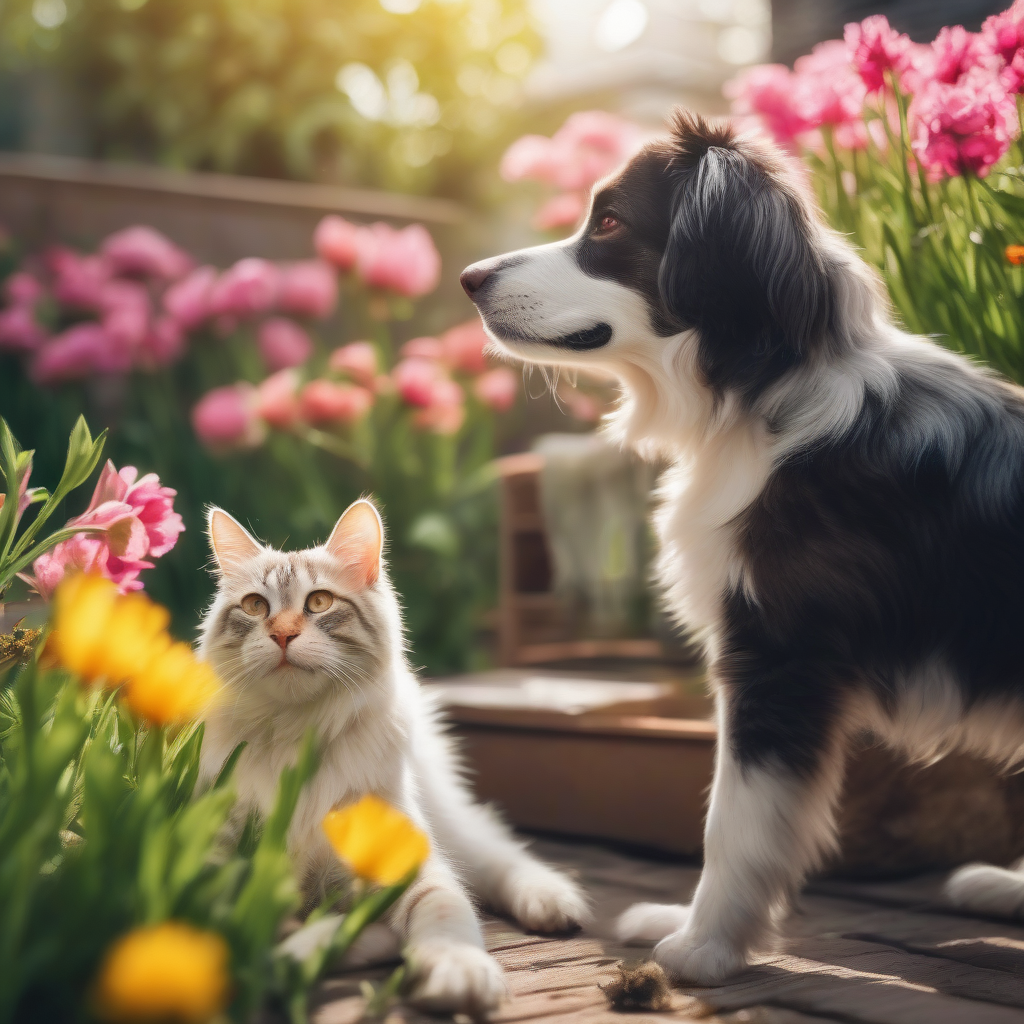
In this article, you will find a comprehensive guide to protect your pets from potential dangers in your home and garden during Spring 2026, and learn tips for creating a safe living space.


Discover the neurobiological signals of hidden stress your newly adopted cat experiences during adaptation to a new social environment. This article reveals 5 insidious signs of your cat's silent struggle and scientific strategies for peaceful, long-term harmony.

Your dog's anal sacs, located beneath the tail, can be hidden alarm bells often overlooked but profoundly affecting their quality of life. In this article, you will discover the 5 insidious neurobiological effects of anal sac problems on the brain and the lifesaving care secrets you need to know for your furry friend to live a peaceful life.
In this article, you will find comprehensive information on the insidious neurotoxic effects of heavy metal poisoning in aquarium fish, its symptoms, and lifesaving emergency intervention codes. This condition, which can arise from household water sources, improper equipment, or neglect, can severely threaten your fish's quality of life and lifespan.
With the arrival of spring, nature awakens, days get longer, and the time we spend outdoors with our furry friends increases. However, this beautiful season also brings some hidden dangers for our pets. As of March 2026, the elements we need to pay attention to in our home and garden environments are vital for the health and safety of our pets. In this comprehensive guide, we will cover the key points for creating a safe environment for your cats and dogs at home and in the garden, potential risks, and emergency action plans.
Although we consider our homes a sanctuary for our pets, some common items and habits can pose potential dangers. It's important to consider these risks during spring cleaning and tidying.
Spring is the season for deep cleaning. However, chemicals such as detergents, bleach, disinfectants, surface cleaners, and toilet bowl cleaners can be extremely toxic to pets. Inhalation, licking, or skin contact with these products can lead to serious health problems. Store all cleaning products in locked cabinets, out of reach of pets. Keep your pet in another room while cleaning and do not let them back in until floors are completely dry.
Medications intended for humans (painkillers, antidepressants, vitamins, etc.) can be toxic to pets at different dosages or even with different ingredients. Especially over-the-counter or openly left medications can be attractive to curious pets. Store all medications in closed, high places and never give human medication to your pet without consulting your veterinarian.
Many houseplants are toxic to cats and dogs. With March, you might be inclined to buy new plants or rearrange existing ones. Popular plants such as lilies, poinsettias, dieffenbachia, cyclamen, and azaleas contain poisonous substances. Before acquiring a new plant, research whether it is toxic or place it where your pet cannot chew on it. Pay special attention to plants in high places, especially for cats.
Spring weather encourages opening windows or spending time on balconies. However, there is a risk of "high-rise syndrome," especially for cats. Use sturdy screens or safety barriers for windows and make balconies safe for cats and dogs. Even a small gap can create an escape or fall risk for our curious companions.
Gardens come alive in spring, but this vibrancy can also create new dangers for our pets. While applying the general principles of Spring Pet Care, it is especially important to pay attention to the following details.
Ensure that the plants in your garden are safe for your pet. Lilies (especially fatal for cats), azaleas, foxglove, daffodils, tulips, and hyacinths are common toxic garden plants. If unknown mushrooms appear in your garden, prevent your pet from approaching them and safely remove them if possible. Many wild mushroom species are poisonous.
All types of chemicals used for garden maintenance (pesticides, herbicides, fertilizers, snail baits, rodenticides) can be fatal to pets. Opt for organic and pet-friendly products and keep your pet away from the garden during application. Follow post-application instructions and do not allow your pet into the garden until products are completely dry or absorbed into the soil. Furthermore, using products that provide advanced parasite protection is critical for protecting against outdoor parasites.
In homes with pools, precautions should be taken for pet safety. Fence off the pool or use a cover to prevent pets from falling in. Also, puddles in the garden can be a source of bacteria and parasites, so prevent your pet from drinking from them.
Lawnmowers, pruning shears, and other garden tools can cause cuts or serious injuries to pets. Store all tools safely after use.
Spring is a wonderful time to create enjoyable memories with our furry companions. However, to fully enjoy this, it is essential to be aware and proactive about home and garden safety. By recognizing potential dangers, taking preventive measures, and having an emergency plan, you can ensure your pets spend Spring 2026 safely, healthily, and happily. Remember, your pet's health and safety are in your hands!
