
Discover the latest care, nutrition, and safety strategies to ensure your furry friends' health and happiness in spring 2026. A comprehensive guide to protection from seasonal risks and an energetic transition.


Discover the neurobiological signals of hidden stress your newly adopted cat experiences during adaptation to a new social environment. This article reveals 5 insidious signs of your cat's silent struggle and scientific strategies for peaceful, long-term harmony.

Your dog's anal sacs, located beneath the tail, can be hidden alarm bells often overlooked but profoundly affecting their quality of life. In this article, you will discover the 5 insidious neurobiological effects of anal sac problems on the brain and the lifesaving care secrets you need to know for your furry friend to live a peaceful life.
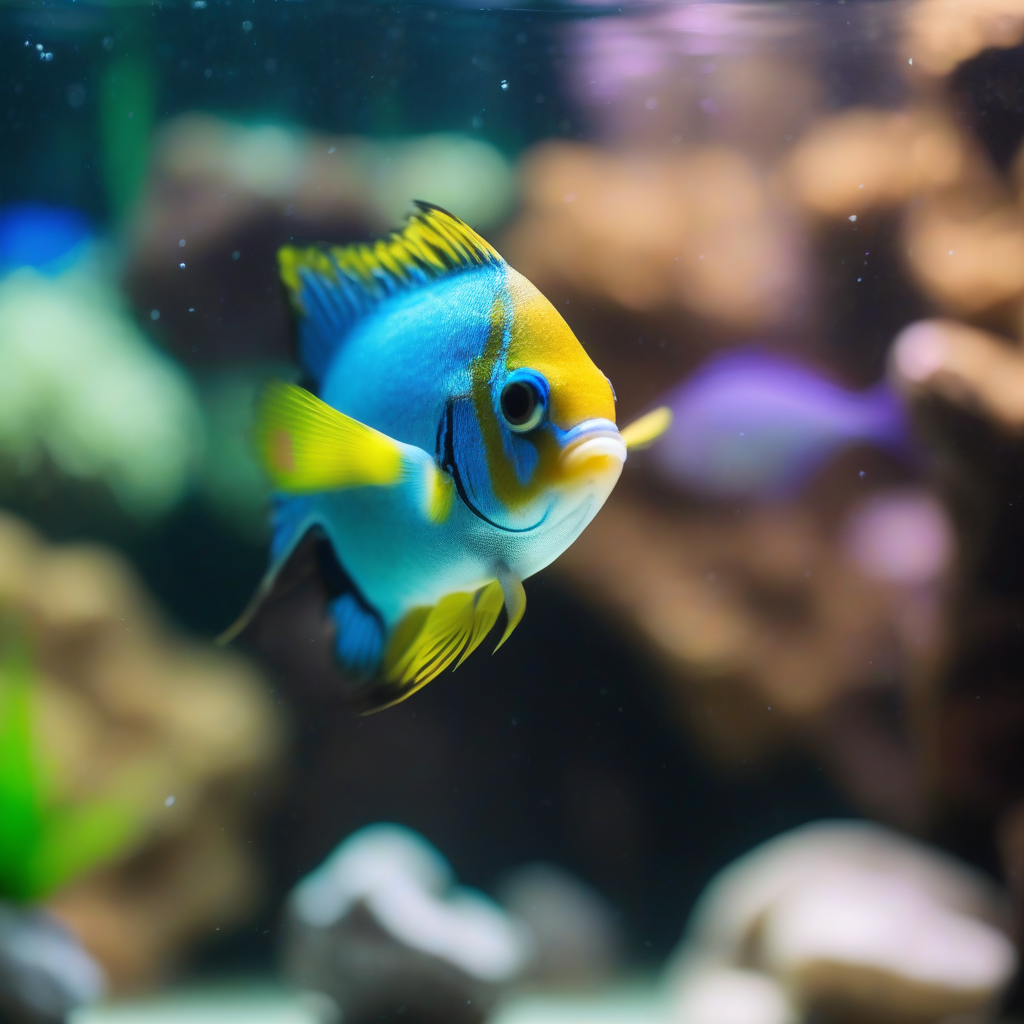
In this article, you will find comprehensive information on the insidious neurotoxic effects of heavy metal poisoning in aquarium fish, its symptoms, and lifesaving emergency intervention codes. This condition, which can arise from household water sources, improper equipment, or neglect, can severely threaten your fish's quality of life and lifespan.
As of March 2026, with the awakening of nature, a new period begins for our beloved pets. Spring signifies renewal, increased energy, and more outdoor activities for both us and our furry friends. However, this beautiful season also brings specific care needs and potential risks. At WikiPet, we share the most up-to-date and scientific information to ensure your pets have a healthy, happy, and safe spring in 2026.
After the sluggishness of winter, spring offers a wonderful opportunity for our pets to be more physically and mentally active. However, increased outdoor interactions also come with certain considerations.
Longer days and warmer weather mean longer walks for dogs and increased outdoor time for cats. This is excellent for boosting exercise levels and socialization. However, caution is needed regarding traffic safety, interactions with other animals, and the risk of getting lost. Never let go of your pet's leash control when exploring new trails or in crowded areas. For cats, especially, unsupervised outdoor time can increase the risk of injury or contracting parasites.
Many flowers and plants that bloom in spring can be poisonous to pets. Even common plants like tulips, lilies, daffodils, azaleas, and potato plant leaves can cause serious health problems for our furry friends. It is vital to identify plants in your garden or surroundings and prevent your pet from accessing them. Talk to your veterinarian to check a list of newly planted flora and determine if they are toxic.
Like humans, pets can experience pollen, grass, and tree allergies in the spring. Seasonal allergies in dogs and cats often manifest as itching, redness, paw licking, ear infections, and respiratory issues. If you notice any of these symptoms in your pet, you should consult a veterinarian. Our article, Seasonal Allergies in Dogs 2026: Latest Diagnostic and Treatment Approaches, provides more detailed information on this topic.
With warmer weather, parasites like fleas, ticks, and mosquitoes become active. These parasites not only cause discomfort but can also transmit dangerous diseases. Regular parasite preventive medications and check-ups are essential for your pet's health. Ticks, in particular, can lead to serious illnesses such as Lyme disease. Don't delay in talking to your veterinarian about the latest and most effective parasite protection methods. For more information, you can read our article Advanced Parasite Protection for Pets in 2026: New Strategies Against Climate Change.
Spring is a great time to support your pet's overall health and well-being. Here are some key care areas to focus on:
Increased physical activity can change your pet's energy needs. Discussing their diet with your veterinarian can help them shed any excess weight gained over winter. Furthermore, as temperatures rise, hydration becomes even more critical. Ensure your pet always has access to fresh water, especially when spending time outdoors.
For many pets, spring is a period of intense shedding. Regular brushing not only prevents loose hair from spreading around your home but also reduces the formation of hairballs. It also allows the skin to breathe, preventing skin problems. Using specialized de-shedding brushes and combs during this period can make your job easier.
Spring is a wonderful time to play new games and explore different walking routes with your pet. Regular exercise not only supports physical health but also provides mental stimulation and prevents behavioral issues. New environments or increased social interactions can cause stress in some pets; in such cases, our article Pet Anxiety Management: A Comprehensive Guide for a Calm and Happy Life in 2026 can help you.
Strong chemicals used during spring cleaning can be dangerous for pets. Store cleaning products out of your pet's reach and be careful not to leave chemical residues when cleaning floors. Using pet-friendly cleaning products is the best way to minimize this risk.
Spring is an ideal time for your pet's annual general health check-up and necessary vaccinations. Your veterinarian can update parasite prevention programs and provide early diagnosis and treatment for seasonal allergies or other health concerns.
In 2026, holistic approaches to pet health continue to be popular. Spring offers a perfect opportunity to implement these approaches.
Seasonal transitions can challenge pets' immune systems. Probiotic and prebiotic supplements can enhance overall immunity by supporting digestive health and strengthening the gut microbiome. A healthy gut microbiome can help your pet adapt better to seasonal changes. Our article on The Pet Gut Microbiome: Key to Healthy Living in 2026 provides more information on this topic.
Spring is a great time for your pet to meet new people, animals, and environments. Controlled socialization opportunities boost their confidence and help them develop more balanced personalities. Dog parks, pet-friendly cafes, or supervised playgroups can be good options in this regard.
May spring 2026 be filled with enjoyable moments and adventures shared with your pet. By applying the tips and recommendations above, you can ensure your furry friend embraces this energetic season safely, healthily, and happily. Remember, consulting your veterinarian is always the correct step for any health concerns. At WikiPet, we are always here for pet parents!
