
In this article, you will find comprehensive information about the impact of pet gut microbiome on overall health, current nutrition trends in 2026, and scientifically-backed ways to support gut health.


Discover the neurobiological signals of hidden stress your newly adopted cat experiences during adaptation to a new social environment. This article reveals 5 insidious signs of your cat's silent struggle and scientific strategies for peaceful, long-term harmony.

Your dog's anal sacs, located beneath the tail, can be hidden alarm bells often overlooked but profoundly affecting their quality of life. In this article, you will discover the 5 insidious neurobiological effects of anal sac problems on the brain and the lifesaving care secrets you need to know for your furry friend to live a peaceful life.
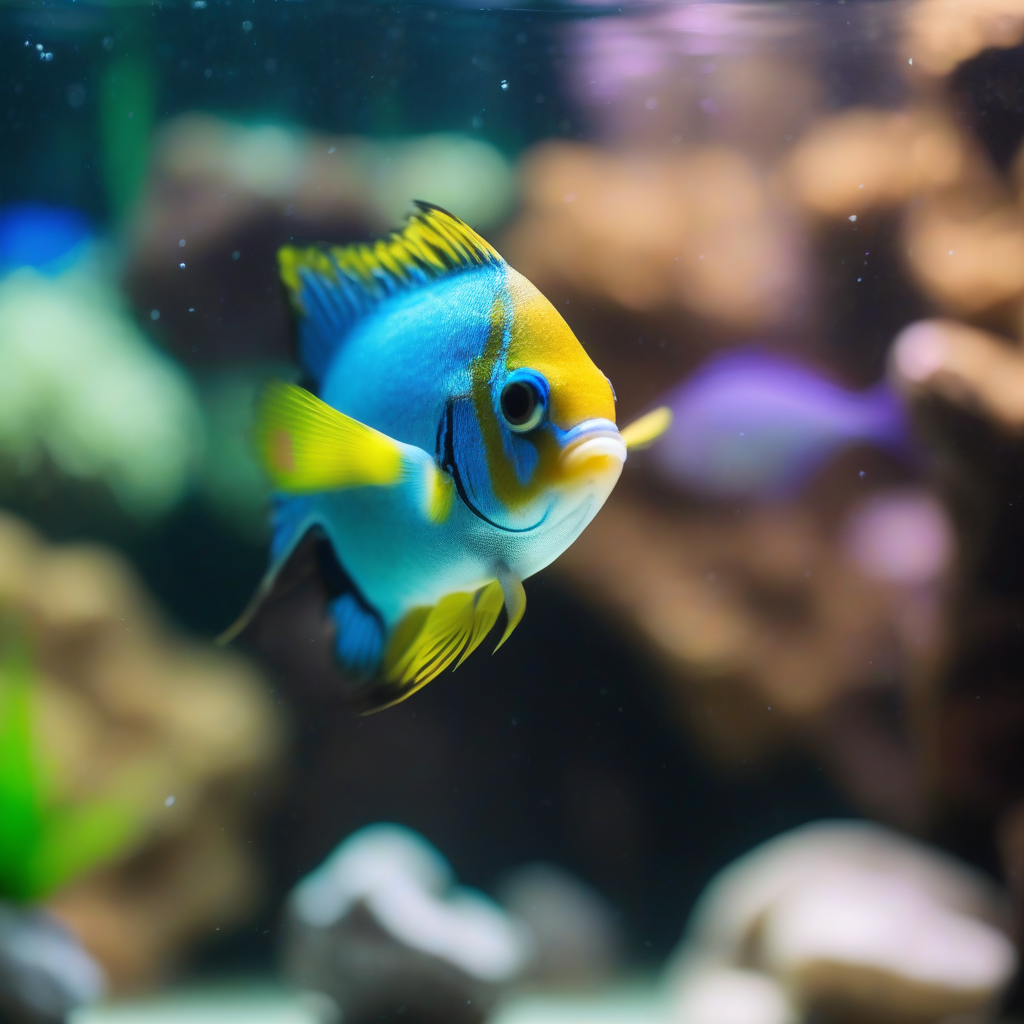
In this article, you will find comprehensive information on the insidious neurotoxic effects of heavy metal poisoning in aquarium fish, its symptoms, and lifesaving emergency intervention codes. This condition, which can arise from household water sources, improper equipment, or neglect, can severely threaten your fish's quality of life and lifespan.
As we navigate through 2026, scientific advancements in pet health and nutrition continue at a rapid pace. The concept of the "gut microbiome," in particular, is garnering more attention than ever in the world of veterinary medicine and pet parenthood. We now understand that the gut is not merely an organ that digests what we eat, but a complex "second brain" that influences everything from the immune system to behavior. This critical system, which directly impacts our furry friends' quality of life, is at the forefront of modern pet care strategies.
In this comprehensive guide, we will delve into what your pet's gut microbiome means, why it is so vital, and how to maintain this delicate balance with the latest nutrition trends of 2026. Informed by scientific data, you will discover how to optimize the gut health of your cats and dogs for a longer, happier, and healthier life.
The gut microbiome is a unique ecosystem composed of trillions of bacteria, viruses, fungi, and other microorganisms living in your pet's digestive system. Like a creature's fingerprint, each pet has its own distinct microbiome. These microbes do far more than just break down the food they eat; they play critical roles in the body's overall functioning.
A healthy gut microbiome is a fundamental pillar for your pet's overall well-being. Here are its primary impacts:
Digestion and Nutrient Absorption: Beneficial bacteria ferment fibers, producing short-chain fatty acids. These fatty acids are an energy source for intestinal cells and enhance nutrient absorption.
Immune System: The gut is the body's largest immune organ. The microbiome directly influences the development and function of immune cells, playing a significant role in defending against pathogens.
Mood and Behavior: Through the connection known as the "gut-brain axis," the gut microbiome can influence neurotransmitter production and brain health. This can be associated with your pet's mood, stress levels, and even some behavioral issues.
Metabolism and Weight Control: The microbiome can affect energy metabolism and fat storage, which in turn impacts the risk of obesity or healthy weight management.
Prevention of Chronic Diseases: A balanced microbiome can help reduce the risk of inflammatory bowel disease (IBD), allergies, autoimmune diseases, and even some types of cancer.
The pet nutrition industry is increasingly recognizing the importance of gut health and is offering groundbreaking innovations in this area. Here are some prominent trends for 2026:
With data from genetic tests, fecal microbiome analyses, and even wearable technologies, diets specifically tailored to your pet's individual needs are becoming less of a luxury and more of a standard. These personalized foods aim to optimally support the gut flora based on specific breeds, age, activity levels, and existing health conditions. Veterinarians and nutritionists can help you create the most suitable feeding plan by identifying your pet's unique microbiome profile.
These three terms are key components when it comes to gut health:
Here are steps you can take to support your pet's gut health:
Opt for high-quality, balanced foods appropriate for your pet's age and breed. Foods containing prebiotic fibers (e.g., beet pulp, oats), quality protein sources, and limited artificial additives are better for gut health. Avoid abrupt food changes and make transitions gradually.
If you are considering probiotic, prebiotic, or postbiotic supplements for your pet's gut health, always consult your veterinarian. While many products are available, not every supplement may be suitable for every pet. Your veterinarian will recommend the most appropriate product based on your pet's specific needs. Additionally, choosing safe and balanced commercial foods over raw or undercooked foods reduces the risk of pathogens.
Gut health problems are common in pets.
Conclusion
Your pet's gut microbiome is the silent but powerful conductor of their overall health and happiness. In 2026, we have more knowledge and tools to understand and support this complex ecosystem. Remember, a healthy digestive system for your furry friend affects everything from their energy levels to immunity, mood, and longevity. By maintaining regular communication with your veterinarian and keeping up with scientific developments, you can best nourish your little friend's inner world and provide them with the quality of life they deserve.
