
As we enter March 2026, pet obesity is a significant concern threatening the health of many of our companions. This guide covers the causes of obesity, its health impacts, diagnostic methods, and current 2026 weight management strategies (nutrition, exercise, technological support). It contains comprehensive information to help your pet achieve a healthy weight and live a long, happy life.


Discover the neurobiological signals of hidden stress your newly adopted cat experiences during adaptation to a new social environment. This article reveals 5 insidious signs of your cat's silent struggle and scientific strategies for peaceful, long-term harmony.

Your dog's anal sacs, located beneath the tail, can be hidden alarm bells often overlooked but profoundly affecting their quality of life. In this article, you will discover the 5 insidious neurobiological effects of anal sac problems on the brain and the lifesaving care secrets you need to know for your furry friend to live a peaceful life.
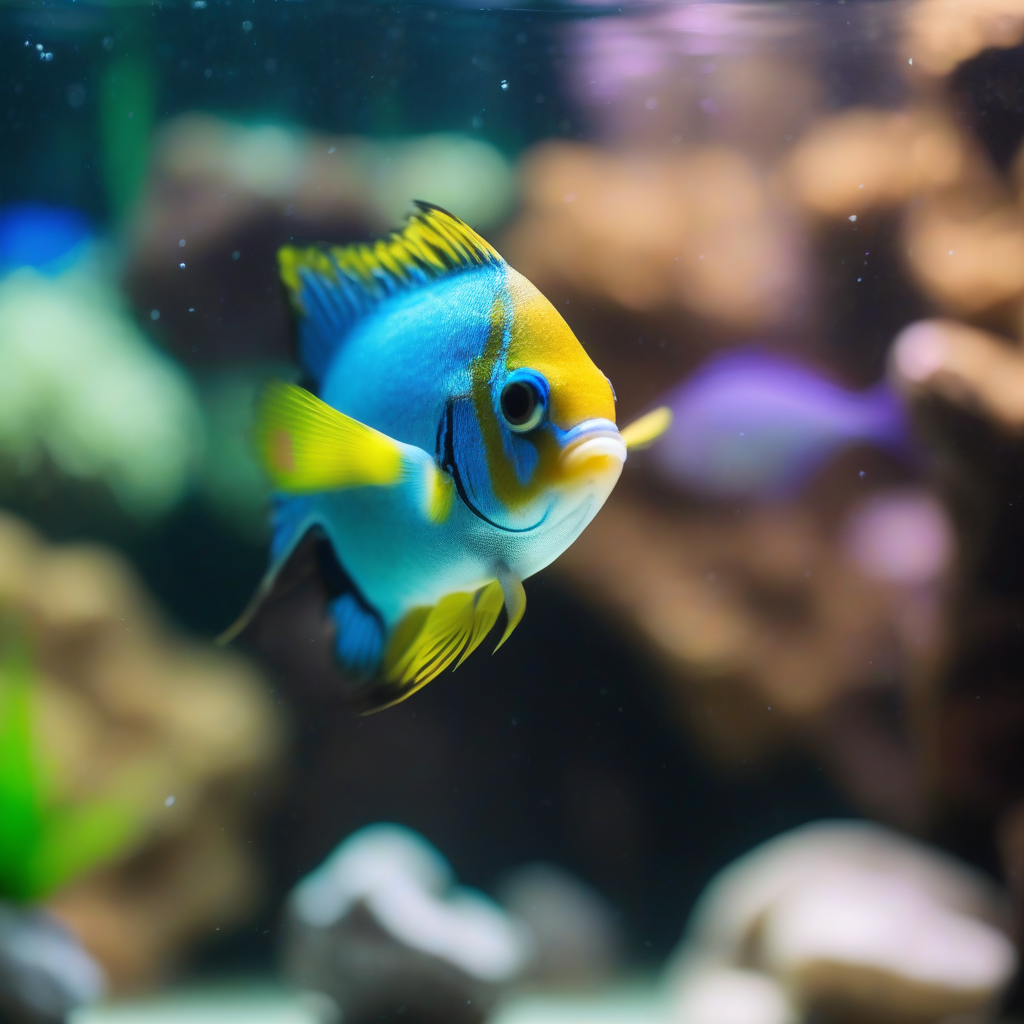
In this article, you will find comprehensive information on the insidious neurotoxic effects of heavy metal poisoning in aquarium fish, its symptoms, and lifesaving emergency intervention codes. This condition, which can arise from household water sources, improper equipment, or neglect, can severely threaten your fish's quality of life and lifespan.
As we step into March 2026, one of the most crucial pet health topics following the winter months is obesity and weight management. Reduced activity in colder weather and an increase in treats can lead many of our furry friends to gain a few extra pounds. However, obesity is more than just an aesthetic concern; it's a serious health problem that significantly impacts pets' quality and duration of life. At WikiPet, we've compiled the most up-to-date strategies and approaches in this comprehensive guide to help your pet achieve and maintain a healthy weight in March 2026 and beyond.
Pet obesity is defined as having body fat that is 20% or more above the ideal. Just like in humans, obesity in pets leads to a range of serious health issues. These include diabetes, heart disease, respiratory problems, joint degeneration (arthritis), urinary tract diseases, certain types of cancer, and an increased risk during surgical procedures. Moreover, overweight pets generally have lower energy levels, restricted movement, and an overall reduced quality of life. Being at an ideal weight, especially with the increase in physical activities as spring arrives, will not only enhance their enjoyment of play but also reduce the risk of potential injuries.
The most reliable way to determine if your pet is obese is through regular veterinary check-ups. Your veterinarian will weigh your pet and perform a Body Condition Score (BCS) assessment. BCS is a scale, typically from 1 to 9 (with 5 being ideal), that visually and palpably evaluates the proportion of fat and muscle on your pet's body. Your vet may also run necessary tests to rule out hormonal imbalances or other health issues that could contribute to obesity. Remember, early diagnosis is the first step towards an effective weight management plan.
A multidisciplinary approach is essential for your pet to return to and maintain their ideal weight.
Nutrition is the cornerstone of weight management.
Regular physical activity not only speeds up calorie burning but also helps maintain muscle mass.
Your attitude plays a vital role in your pet's weight loss journey.
Today's technology offers innovations in pet weight management:
The best way to combat obesity is to prevent it. Establishing proper feeding habits and regular exercise programs from puppyhood helps your pet maintain a healthy weight throughout their life. Regular veterinary check-ups and your veterinarian's advice on nutrition should always guide you.
Pet obesity is a serious health issue that should not be underestimated. However, with the right information, consistent effort, and collaboration with your veterinarian, you can help your pet achieve their ideal weight and live a longer, happier, and healthier life. March 2026 is an excellent time for a healthy start!
