
Discover the latest nutrition trends and health-focused recommendations for your cats and dogs in Spring 2026. Maximize your pet's energy and health with this guide.


Discover the neurobiological signals of hidden stress your newly adopted cat experiences during adaptation to a new social environment. This article reveals 5 insidious signs of your cat's silent struggle and scientific strategies for peaceful, long-term harmony.

Your dog's anal sacs, located beneath the tail, can be hidden alarm bells often overlooked but profoundly affecting their quality of life. In this article, you will discover the 5 insidious neurobiological effects of anal sac problems on the brain and the lifesaving care secrets you need to know for your furry friend to live a peaceful life.
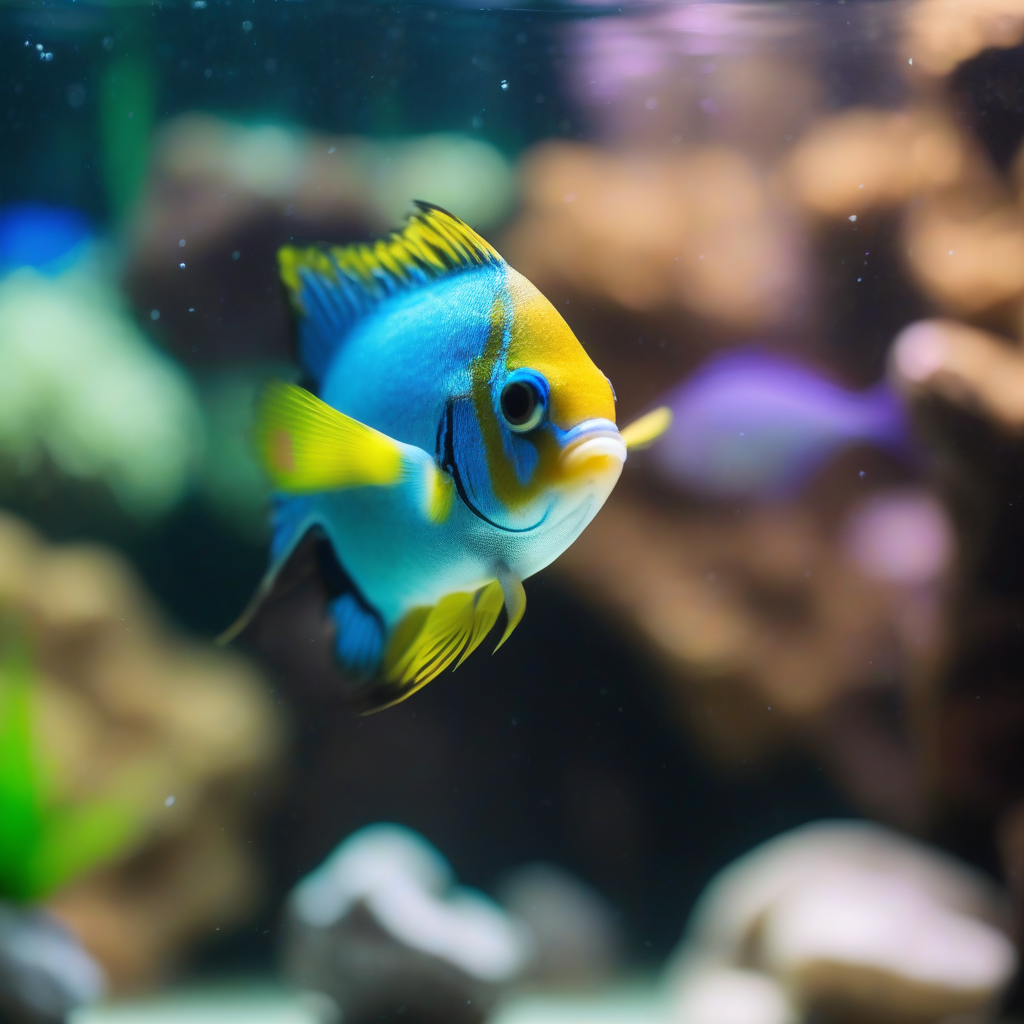
In this article, you will find comprehensive information on the insidious neurotoxic effects of heavy metal poisoning in aquarium fish, its symptoms, and lifesaving emergency intervention codes. This condition, which can arise from household water sources, improper equipment, or neglect, can severely threaten your fish's quality of life and lifespan.
Just as nature awakens with the arrival of March, it's time to re-evaluate the dietary habits of our beloved pets. For Spring 2026, we've compiled the most up-to-date nutrition trends and veterinarian-approved recommendations to support the health and happiness of your furry companions.
Dietary sensitivities and allergies in pets are gaining increasing importance in veterinary medicine. This trend is driving demand for grain-free and limited ingredient food formulations. In Spring 2026, opting for such diets for your cats and dogs can help alleviate digestive issues and minimize allergens. For breeds particularly prone to allergies, such as certain dog breeds, it would be beneficial to review our article, "Canine Dietary Sensitivities and Allergies in 2026: Diagnosis, Management, and Latest Approaches".
The key to pet health is increasingly recognized as the gut microbiome. In 2026, foods or supplements containing probiotics (beneficial bacteria) and prebiotics (fibers that feed beneficial bacteria) will be more preferred for boosting the immune system, improving digestion, and supporting overall health in cats and dogs. Our guide, "The Pet Gut Microbiome: Key to Healthy Living in 2026", offers in-depth information on this topic.
Cats are naturally carnivores, and while dogs are omnivores, they retain a dietary inclination inherited from their ancestors, favoring a meat-rich diet. In Spring 2026, high-protein, low-carbohydrate foods, more aligned with these natural needs, will remain important, especially for cat health. These formulations are ideal for supporting muscle mass, maintaining energy levels, and aiding in weight management.
Spring can bring both increased energy and potential health concerns for pets. For instance, pollen allergies (refer to our article "Seasonal Allergies in Dogs 2026: Latest Diagnostic and Treatment Approaches") or increased activity levels may necessitate changes in feeding plans. Pets becoming more active will require a diet that provides more energy while maintaining a balance to prevent weight gain.
Some pet owners continue to opt for homemade diets to have complete control over nutritional content. However, the complexity of preparing homemade meals and the challenge of achieving the correct nutritional balance should not be overlooked. To create a balanced homemade diet that meets all of a pet's nutritional needs, it is essential to consult with a veterinarian or a veterinary nutritionist.
Every pet has unique needs. When adjusting your pet's nutrition plan in Spring 2026, it is always best to consult with your veterinarian. They will provide the most appropriate dietary recommendations, considering your pet's individual health status, age, breed, and activity level. Remember, a healthy diet is the foundation for a long and happy life. Regular check-ups, as highlighted in our article "Annual Veterinary Check-ups and Vaccination Schedule for Pets in 2026: A Comprehensive Guide for a Healthy and Happy Life", play a critical role in maintaining overall health.
