
In this article, you will find the latest precautions, symptoms, and first aid methods to protect your pets from heatstroke and dehydration in spring and summer 2026. Everything you need to know for your furry friends' health is here.


Discover the neurobiological signals of hidden stress your newly adopted cat experiences during adaptation to a new social environment. This article reveals 5 insidious signs of your cat's silent struggle and scientific strategies for peaceful, long-term harmony.

Your dog's anal sacs, located beneath the tail, can be hidden alarm bells often overlooked but profoundly affecting their quality of life. In this article, you will discover the 5 insidious neurobiological effects of anal sac problems on the brain and the lifesaving care secrets you need to know for your furry friend to live a peaceful life.
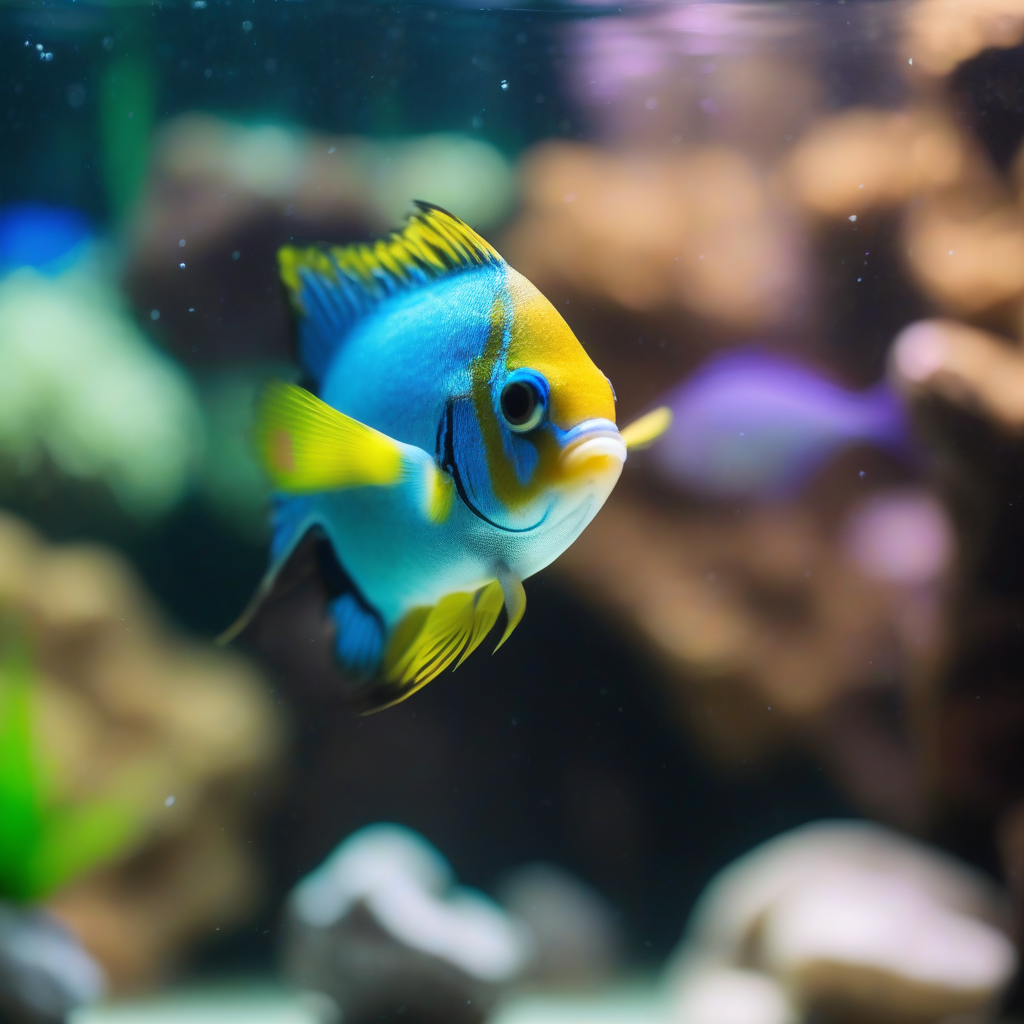
In this article, you will find comprehensive information on the insidious neurotoxic effects of heavy metal poisoning in aquarium fish, its symptoms, and lifesaving emergency intervention codes. This condition, which can arise from household water sources, improper equipment, or neglect, can severely threaten your fish's quality of life and lifespan.
As of March 2026, with temperatures beginning to rise, one of the most significant concerns for pet owners is the risk of heatstroke and dehydration. Our furry friends have different mechanisms than humans for regulating their body temperature, which means these risks can become severe, especially in hot and humid weather. Their attempts to cool down through panting and sweating via their paws may not be sufficient in extreme heat. This comprehensive guide provides the latest veterinary approaches and practical precautions to protect your pets from the potential dangers of heatstroke and dehydration in 2026.
Heatstroke (Hyperthermia): This is a condition where a pet's body temperature rises to a dangerously high level. It typically occurs when the ambient temperature is too high, or as a result of excessive physical activity, preventing the body from cooling itself effectively. If not treated quickly, it can lead to organ failure and death.
Dehydration (Fluid Loss): This occurs when the body does not receive or loses enough water and electrolytes needed to maintain normal functions. It can be a precursor to or accompany heatstroke and negatively impacts vital functions.
While every pet is at risk of heatstroke and dehydration, some are more vulnerable:
Early detection is crucial for saving lives. Pay attention to the following signs:
Being proactive is essential for your pets' safety. Remember that in addition to general spring pet care approaches, specific attention to heatstroke and dehydration is necessary.
Always provide access to plenty of fresh, clean water. Use multiple water bowls and carry portable water bottles or collapsible bowls when outdoors. Adding a few ice cubes to the water can help keep it cool. Some pets prefer running water, so a pet water fountain can also be a good option.
In hot weather, shift exercise times to early morning or late evening when it's cooler. Reduce the duration and intensity of exercise. This is even more critical for older pets or those with pet joint health issues. Check the pavement temperature with your hand (hold for 5 seconds); if it's too hot, opt for grassy areas or use paw protectors.
Ensure your pet has shaded areas both indoors and outdoors where they can cool down. A room with air conditioning or a fan, cooling mats, or damp towels can make a big difference on hot days.
Never, under any circumstances, leave your pet alone in a parked car. Even if the outside temperature is 22°C (72°F), the temperature inside a car can reach 32°C (90°F) in 10 minutes and 38°C (100°F) in 20 minutes. This can be fatal and carries legal consequences in many countries.
Clipping fur too short or shaving completely can leave your pet vulnerable to sunburn and disrupt their natural insulation. Instead, regular brushing to remove loose fur improves air circulation. This is also an important part of advanced parasite protection routines, as increased outdoor time raises parasite risk.
You can opt for wet foods with high water content or dry food mixed with water. Some fruits and vegetables (like cucumber, watermelon, after consulting your vet) can also contribute to hydration.
If you notice symptoms of heatstroke in your pet, act immediately:
As soon as you notice any of the aforementioned symptoms of dehydration or heatstroke, you should contact a veterinarian immediately without underestimating the situation. The time factor is critical for saving your pet's life.
Protecting our pets from heatstroke and dehydration during spring and summer 2026 requires conscious and proactive ownership. Remember that with simple precautions, we can protect our companions' lives and ensure they have a safe and happy summer. If you have any doubts or concerns, always consult your veterinarian.
