
In this article, you will find comprehensive information about protecting your pets' skin and coat health, combating common problems, and achieving a radiant look for Spring 2026.


Discover the neurobiological signals of hidden stress your newly adopted cat experiences during adaptation to a new social environment. This article reveals 5 insidious signs of your cat's silent struggle and scientific strategies for peaceful, long-term harmony.

Your dog's anal sacs, located beneath the tail, can be hidden alarm bells often overlooked but profoundly affecting their quality of life. In this article, you will discover the 5 insidious neurobiological effects of anal sac problems on the brain and the lifesaving care secrets you need to know for your furry friend to live a peaceful life.
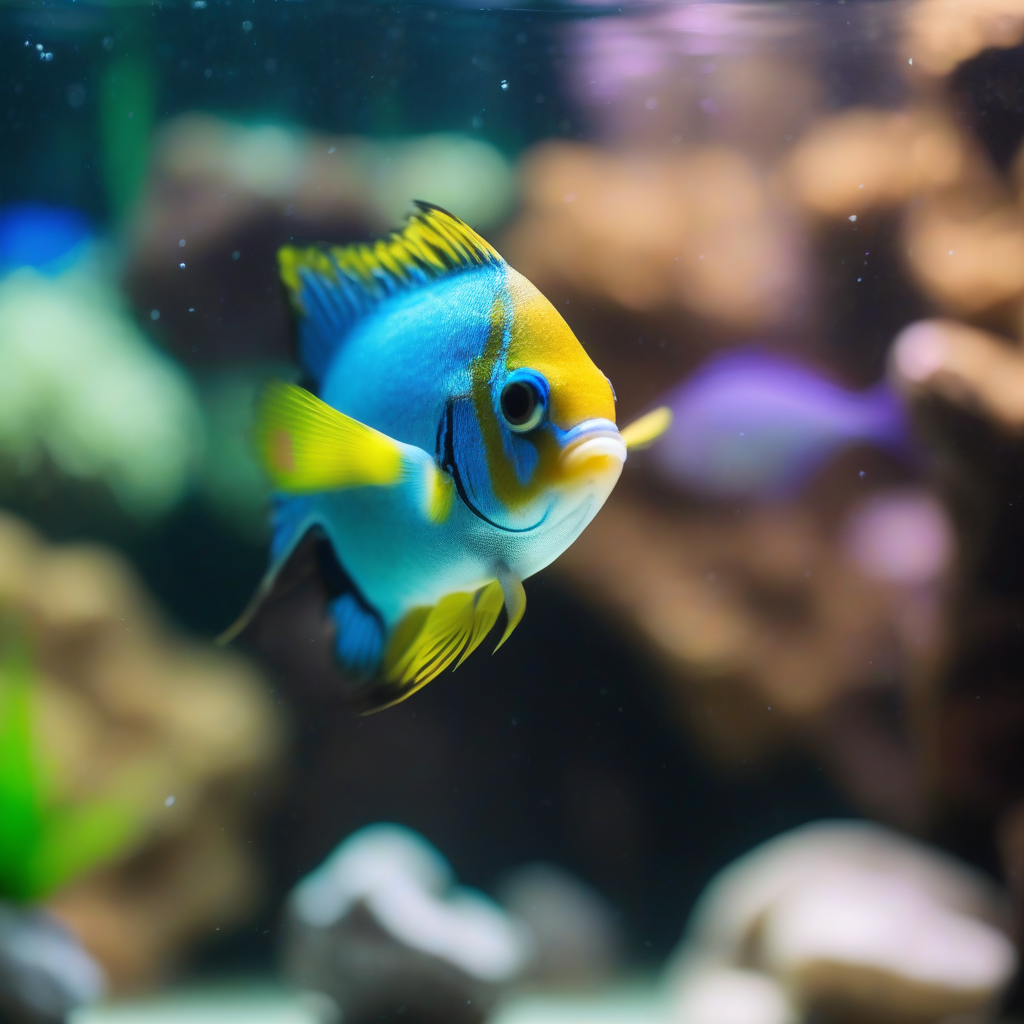
In this article, you will find comprehensive information on the insidious neurotoxic effects of heavy metal poisoning in aquarium fish, its symptoms, and lifesaving emergency intervention codes. This condition, which can arise from household water sources, improper equipment, or neglect, can severely threaten your fish's quality of life and lifespan.
As of March 2026, with nature reawakening in spring, significant changes occur in the health and appearance of our pets. This transition period after winter requires special attention, especially concerning their skin and coat health. Our furry friends' shiny coats and healthy skin are a reflection of their overall well-being. Hair shedding, itching, allergies, and other dermatological issues that may arise during this period can be easily managed with the right approaches.
In this comprehensive guide, we will explore how to maintain your pets' skin and coat health at the highest level, incorporating 2026 spring trends and the latest approaches in veterinary medicine. Our goal is to ensure your beloved companions experience this season as comfortably as possible, both aesthetically and health-wise.
Spring is a period when seasonal shedding (molt) intensifies in pets. The thick winter coat is replaced by a thinner summer coat. This natural process can lead to itching, irritation, and even hairball formation. Furthermore, the increased pollen, grasses, and insect populations in spring can trigger allergic reactions and parasite-related skin problems. Increased outdoor activities also result in the skin coming into more frequent contact with dirt, moisture, and various environmental irritants.
Symptoms indicating a problem with your pet's skin and coat health may include:
If you notice any of these symptoms, it's crucial to take the situation seriously and consult a veterinarian. Remember that annual veterinary check-ups and vaccination schedule for pets in 2026 are a fundamental step for a healthy life.
Regular brushing during spring helps remove dead hair, stimulates blood circulation, and prevents hairball formation. Even short sessions a few times a week with a brush suitable for the coat type can make a big difference. The frequency of bathing and the shampoos used should be determined by your veterinarian's recommendation, based on your pet's skin sensitivity and coat structure. Dermatological shampoos can be lifesavers for animals with specific skin issues.
Skin and coat health are largely influenced by the nutrients your pet receives. High-quality proteins, Omega-3 and Omega-6 fatty acids (like salmon oil), zinc, and B vitamins are essential for healthy skin and a shiny coat. Nutritional supplements can be beneficial, especially during seasonal shedding or for animals with skin sensitivities. Recent research shows a strong connection between the pet gut microbiome and skin health. A balanced microbiome can strengthen the skin barrier, increasing resistance to allergies.
Spring is the period when ticks, fleas, and other external parasites are most active. These parasites not only cause itching and skin irritation but can also transmit serious diseases. Regularly using advanced parasite protection for pets in 2026 products recommended by your veterinarian is the most effective defense against these threats.
Pollen, dust mites, and certain plants are common allergens in spring. If you suspect your pet has seasonal allergies, wiping their fur after outdoor excursions, keeping the air clean at home, and discussing potential allergy management strategies with your veterinarian will be beneficial. Especially in dogs, seasonal allergies in dogs 2026 can be more common, and skin problems are one of the main symptoms.
If the symptoms mentioned above persist or worsen, you should consult your veterinarian without delay. Skin problems can be indicative of many different causes, from simple allergies to autoimmune diseases. Accurate diagnosis and treatment are vital for your pet's comfort and health. Your veterinarian can determine the underlying cause of the problem by performing necessary examinations and tests.
There are continuous advancements in veterinary dermatology. As of 2026, innovative approaches, especially for chronic skin problems, are becoming more common, such as:
Our pets' skin and coat health is not only about their appearance but also directly linked to their overall well-being and quality of life. Spring 2026 offers a perfect opportunity for our furry friends to shed their winter fatigue and enjoy the new season with a healthy and radiant look. With regular care, proper nutrition, effective parasite control, and professional veterinary assistance when needed, you can maintain your pet's skin and coat health at its best. Remember, healthy skin and a shiny coat are among the most visible signs of a happy pet.
