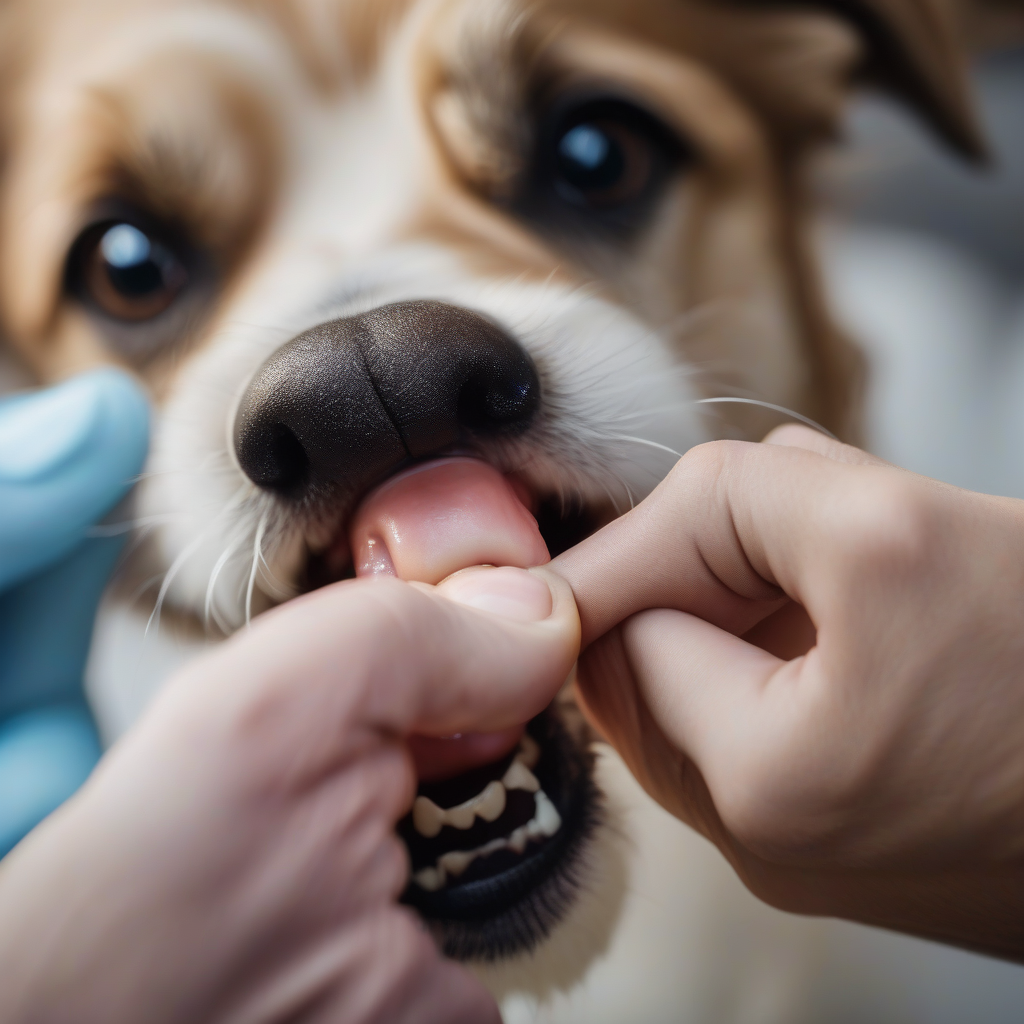
In this article, you will find information about tooth resorption, a lesser-known issue related to your dog's dental health, its symptoms, causes, and lifesaving scientific solution recommendations.


While cats possess a surprising ability to adapt to high-rise fall traumas, the insidious neurophysiological effects on their brain carry vital risks. In this article, we reveal 5 critical neurobiological effects your cat may experience after a fall and the lifesaving emergency intervention codes with scientific secrets.

In this article, you will discover how your rabbit copes with unexpected situations and its neurocognitive responses to non-routine events. Learn scientific secrets to enhance mental flexibility and manage stress.

In this article, you will find comprehensive information on the insidious neurophysiological effects of seizures in cats' brains and lifesaving emergency intervention codes during a seizure.
For our canine companions to lead healthy lives, oral and dental health is of critical importance. However, some overlooked and silently progressing issues can seriously threaten the comfort and overall health of our furry friends. One of these is 'tooth resorption,' which can sometimes be overlooked even among veterinarians. This condition is defined as the tooth's own structure being replaced by bone-like tissue, and it often becomes a source of great pain for your dog, which he may not even notice.
Tooth resorption is characterized by the destruction of the tooth's ENAMEL and DENTIN layers by odontoclastic cells of unknown origin, with the deposition of odontoblast-like tissue in their place. Simply put, the tooth's own tissues dissolve and are replaced by a more tissue-like structure. While the exact causes of this condition are not fully understood, genetic predisposition, trauma, infections, and certain metabolic disorders are among the suspected factors.
Because the symptoms of tooth resorption are often insidious, it can be difficult for owners to notice. Your dog may exhibit normal behavior while living with this pain. Therefore, early diagnosis and intervention are vital.
It is important to recognize 5 critical signals that indicate your furry friend's oral health is at risk, but which may not be obvious at first glance:
Once tooth resorption is diagnosed, your veterinarian will determine the most appropriate treatment plan. Treatment options typically include:
Remember, it is up to you to notice your dog's silent pains. Being aware of hidden threats like tooth resorption is the key to ensuring your furry friend lives a longer, healthier, and happier life. If you notice any of the signs mentioned above in your dog, it is important to consult your veterinarian without delay. Remember, early diagnosis saves lives!
