
Discover your dog's 'shadow thoughts' – negative cognitive biases that influence how they perceive the world and their expectations for the future. In this article, you'll learn to recognize these insidious signs and how to enhance their mental resilience with scientific methods.


Discover the neurobiological signals of hidden stress your newly adopted cat experiences during adaptation to a new social environment. This article reveals 5 insidious signs of your cat's silent struggle and scientific strategies for peaceful, long-term harmony.

Your dog's anal sacs, located beneath the tail, can be hidden alarm bells often overlooked but profoundly affecting their quality of life. In this article, you will discover the 5 insidious neurobiological effects of anal sac problems on the brain and the lifesaving care secrets you need to know for your furry friend to live a peaceful life.
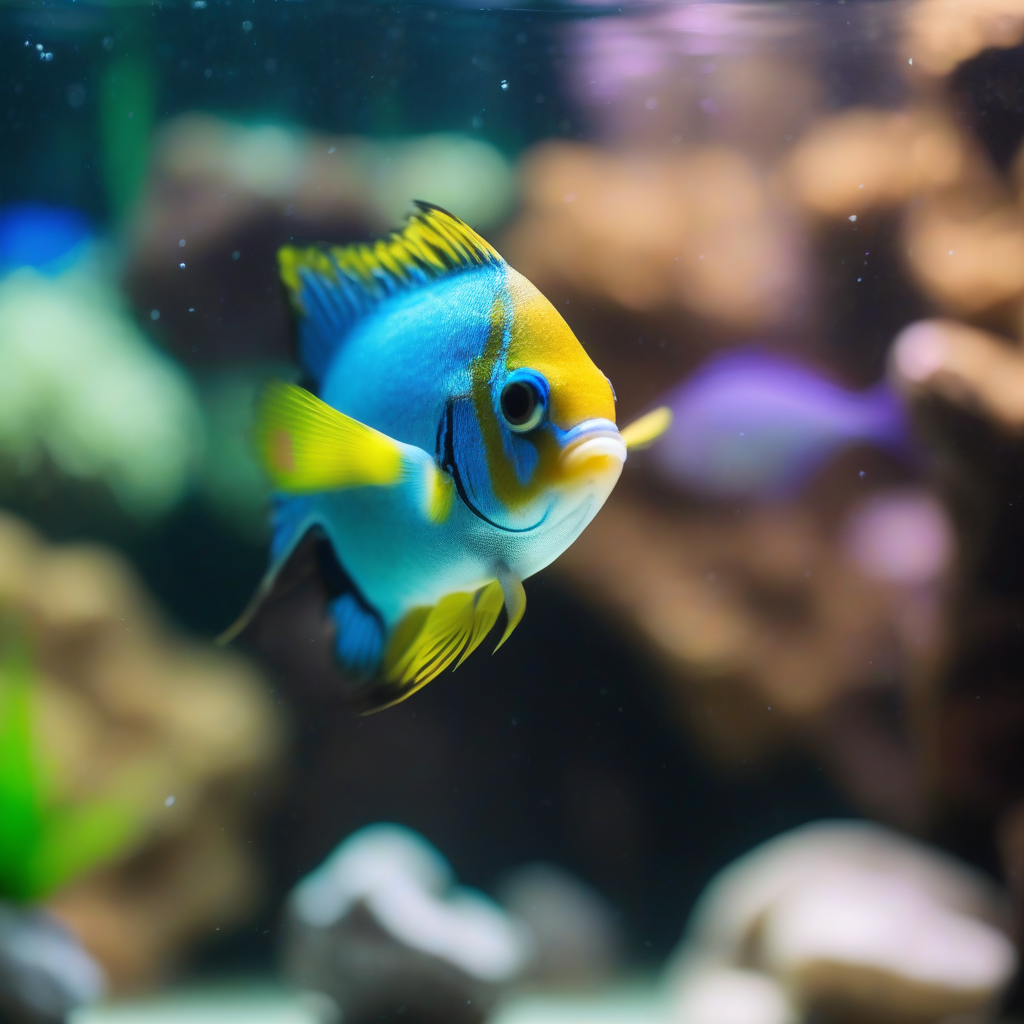
In this article, you will find comprehensive information on the insidious neurotoxic effects of heavy metal poisoning in aquarium fish, its symptoms, and lifesaving emergency intervention codes. This condition, which can arise from household water sources, improper equipment, or neglect, can severely threaten your fish's quality of life and lifespan.
The place of our beloved companions in our lives is undeniable. Just as crucial as their physical health is their mental and emotional well-being. But did you know that your dog, much like humans, can experience 'negative thoughts' – or cognitive biases? Scientific research shows that dogs can also exhibit a tendency to interpret ambiguous situations negatively. These 'shadow thoughts' can profoundly affect their stress levels, learning capacity, and overall quality of life. As a veterinary content strategist, this article will delve into recognizing the insidious signs of negative cognitive biases in your dog and how to manage this condition with science-backed strategies to enhance their mental resilience.
Cognitive bias refers to a systematic deviation in an individual's way of processing, evaluating, and interpreting information. Similar to humans, these biases can cause animals to interpret ambiguous situations either positively (optimistic bias) or negatively (pessimistic bias). A dog with a negative cognitive bias is more prone to perceiving a potentially neutral or ambiguous situation as threatening or unfavorable. This can lead to chronic stress, anxiety, and behavioral problems. For instance, they might prefer to avoid a new object rather than explore it, or react excessively to an unfamiliar sound. Understanding and managing these biases is crucial for your dog to live a happier, more balanced life.
Neuroscientific studies indicate that animals' limbic systems, which include reward and punishment pathways, function similarly to those in humans. Chronically high levels of stress hormones (like cortisol) can affect cognitive functions in the brain and push an individual into a more pessimistic 'mood.' Environmental factors, early life experiences, and genetic predispositions also play a role in the development of these cognitive biases. As highlighted in the article, Your Dog's 'Shadow of the Past': 5 Neurocognitive Secrets to Building Trust in Adopted Dogs After Trauma!, past traumatic experiences can reinforce your dog's tendency to interpret new situations negatively.
Detecting 'shadow thoughts' in your dog can sometimes be challenging because these signs are often subtle and develop over time. Here are 5 insidious signs to watch out for:
Do you notice your dog hesitating excessively or outright avoiding an ambiguous or novel stimulus, such as a new toy, an unfamiliar scent, or a different walking route? This could be a sign that they perceive a neutral situation as a potential threat. For example, prolonged pausing or attempting to turn back when encountering a bicycle they haven't seen before in the park. This behavior indicates a negative expectation towards new experiences.
Is your normally energetic dog reluctant to play or engage? A general lethargy, loss of interest, and lack of motivation could be a consequence of a negative cognitive bias. When dogs have negative expectations, they exert less effort to pursue potential rewards. This creates an internal state of 'fatigue' that adversely affects their mental state. While the article Your Dog's 'Insidious Fatigue Code': 5 Invisible Energy Thieves from Vital Micronutrient Deficiencies and Scientific Solutions to Restore Brain Power! addresses physical fatigue, mental fatigue is equally important and often triggers one another.
Overreacting to minor changes or disruptions in routine, constant trembling, whining, or being perpetually on alert can indicate that your dog perceives the world as an unsafe place. This condition is linked to a continuous perception of threat at a cognitive level. External stressors, such as those discussed in Your Dog's Invisible Stressor: Neurobiological Effects of Hidden Household Noise Pollution and 5 Scientific Strategies for Calmness!, can exacerbate this tendency, but internal biases intensify the severity of such reactions.
When you move to a new home, go on vacation, or have guests, does it take an unusually long time for your dog to return to normal? Dogs with negative cognitive biases tend to associate new environments or social interactions with potentially negative outcomes. This prolongs their adaptation processes and makes the dog less resilient to environmental changes. The perception of space, as mentioned in the article Your Dog's 'Invisible Zone War': 5 Unknown Neurocognitive Secrets of Proxemic Behaviors in Social Communication!, plays a significant role in this adaptation process.
Play is one of the ways dogs relieve stress, learn, and build social bonds. If your dog consistently refuses play invitations or plays reluctantly and for short periods, this could also be a cause for concern. Dogs with negative cognitive biases may interpret the uncertainty inherent in play (winning/losing, what's the next step) negatively and, therefore, avoid participating. This reduction in play behavior indicates a decrease in their general joy and exploratory drive.
Here are science-backed strategies you can implement to manage negative cognitive biases in your dog and enhance their mental resilience:
Positive reinforcement encourages desired behaviors by rewarding positive experiences. This improves your dog's ability to cope with ambiguous situations and boosts their confidence. Simultaneously, regular and varied environmental enrichment (toys, scent games, walks on new routes) stimulates the dog's brain and encourages them to try new things. This helps lower their stress threshold, as discussed in Your Dog's 'Mental Boundaries': Which Areas Indoors Trigger Subconscious Stress? 5 Neurogenic Solutions!.
Creating a certain order and routine in your dog's environment reduces uncertainty and increases their sense of security. Specific meal times, walking routes, and playtimes provide structure to the dog's life. Furthermore, having a private, safe space where your dog can retreat and feel secure plays a crucial role in their stress management. This area serves as a 'sanctuary' where they feel safe and in control.
An important way to combat negative cognitive biases is to expose your dog to new people, animals, and situations in a controlled and positive manner. This should be done in small steps and never by force. Each positive experience enhances the dog's capacity to interpret ambiguous situations positively. This, combined with boundary-setting principles from Your Dog's 'Silent Chaos': 5 Insidious Games of Secret Space Manipulation at Home and Scientific 'Boundary' Setting for Calmness!, ensures your dog feels more secure both physically and mentally.
Nutrition has a profound impact on brain health and mood. Supplements that support neurological health, such as Omega-3 fatty acids, or components that regulate the gut microbiome, like probiotics, can positively influence your dog's cognitive functions and mood. Scientific studies emphasize the importance of the gut-brain axis. Consulting your veterinarian to determine appropriate nutritional strategies in this regard is crucial.
If your dog's negative cognitive biases are severely impacting their quality of life and the above strategies are insufficient, it's important to consult a veterinarian or an animal behavior specialist. Experts can conduct a comprehensive assessment to rule out underlying medical causes and, if necessary, recommend anti-anxiety medications or other pharmacological support in addition to behavioral therapy. Such situations may require professional intervention for your dog to achieve a more balanced mental state.
Understanding your dog's 'shadow thoughts' and helping them will strengthen your bond and ensure they live a healthier, happier life. Remember, patience, consistency, and science-backed approaches are key in this process.
