
In this article, you will discover the effects of past trauma on the brains of adopted dogs and 5 neurocognitive strategies for building trust. Forge a deep bond with your companion using scientific methods.


Discover the neurobiological signals of hidden stress your newly adopted cat experiences during adaptation to a new social environment. This article reveals 5 insidious signs of your cat's silent struggle and scientific strategies for peaceful, long-term harmony.

Your dog's anal sacs, located beneath the tail, can be hidden alarm bells often overlooked but profoundly affecting their quality of life. In this article, you will discover the 5 insidious neurobiological effects of anal sac problems on the brain and the lifesaving care secrets you need to know for your furry friend to live a peaceful life.
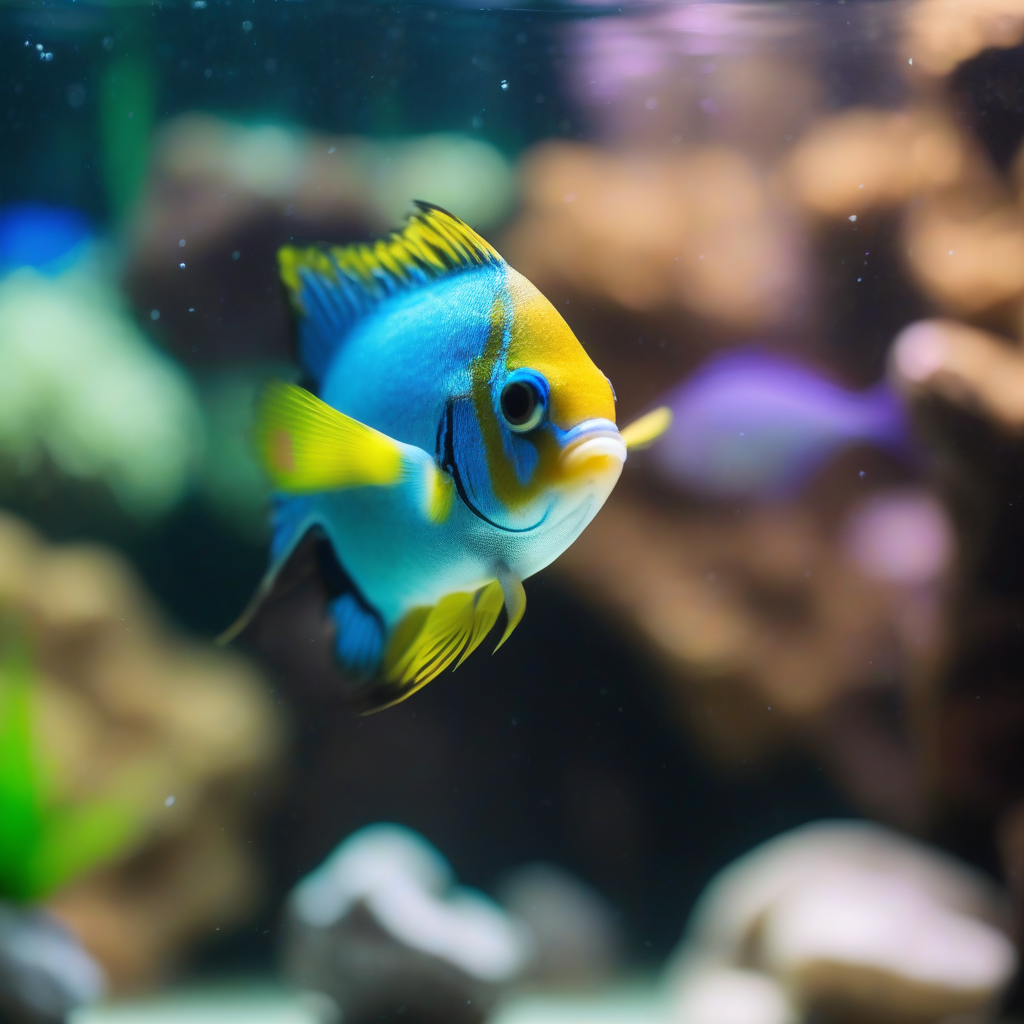
In this article, you will find comprehensive information on the insidious neurotoxic effects of heavy metal poisoning in aquarium fish, its symptoms, and lifesaving emergency intervention codes. This condition, which can arise from household water sources, improper equipment, or neglect, can severely threaten your fish's quality of life and lifespan.
Adopting a dog is an exciting new beginning for both you and your furry friend. However, for dogs with a history of trauma, neglect, or abandonment, this process can be more complex than anticipated. The fears, insecurities, and behavioral issues they develop under the 'shadow of the past' can make adaptation to a new home challenging. In this article, we will delve into the neurocognitive effects of an adopted dog's traumatic past on their brain and unveil 5 scientific strategies to help you build a deep, lasting bond of trust with your companion.
Dogs, just like humans, can experience lasting changes in their brain structures and chemistry when exposed to traumatic experiences. This is particularly observed in the limbic system (amygdala, hippocampus) which manages fear responses. Chronic stress and fear lead to an overactive amygdala, while negatively impacting the hippocampus's ability for learning and memory. These 'fear circuits' cause the dog to constantly scan its environment for potential threats and react excessively even to the slightest stimulus. These biological changes form the basis of a dog's difficulty in trusting new environments and misinterpreting social cues. Therefore, patience and scientifically-based approaches are crucial during the adoption process.
The neurobiology of trust and bonding is centered around the hormone oxytocin. Also known as the 'love hormone,' oxytocin is released during social interactions, physical touch, and positive experiences, strengthening bonds and reducing stress. Encouraging the release of this hormone in an adopted dog can help rewire the brain's fear circuits. Furthermore, thanks to mirror neurons, dogs possess the ability to perceive our emotional states and intentions. When you maintain a calm and consistent approach, your dog's brain begins to learn that your intentions are not threatening.
For a dog that has experienced trauma, the greatest need in the world is safety. The first step to providing this safety is creating a sense of predictability and control within their living space. Daily routines (feeding, potty breaks, play times) help the dog learn what to expect, reducing uncertainty. A crate or bed that can serve as its own 'safe haven' offers a place to retreat and feel secure. Allowing your dog choice and control – for instance, waiting for them to come to you rather than forcing interaction – increases their sense of control and significantly reduces stress. Factors like sudden loud noises in the environment can increase your dog's stress; therefore, you can learn more about this by checking out our article Your Dog's Invisible Stress Source: Neurobiological Effects of Hidden Noise Pollution at Home and 5 Scientific Strategies for Calmness!.
Positive reinforcement and counter-conditioning are scientifically the most effective methods for managing fear responses stemming from past traumas. These approaches enable the dog to associate a feared stimulus (e.g., strangers, certain objects) with a positive experience (treats, praise) when exposed to it. For example, giving a treat when a stranger is seen helps the dog's brain establish a new neural connection between 'fear' and 'reward.' This is a modern application of Pavlovian classical conditioning principles and reprograms the dog's emotional responses. In your dog's training and adaptation processes, you can also draw inspiration from the methods in the article Your Dog's 'Obedience Everywhere' Fallacy: 5 Neurocognitive Secrets to Generalizing Commands Across Environments! for generalizing commands in different environments.
Dogs interpret human body language and tone of voice with incredible sensitivity. For a traumatized dog, a threatening posture, direct eye contact, or a loud voice can be a trigger. When building trust, it's important to display a calm, relaxed posture, stand in a sideways position, and use a soft, soothing tone of voice. Observe your dog's reactions carefully and give them space. Beyond obvious signs like tail wagging, understanding subtle cues such as tension in the eyes, ear position, or lip licking, similar to those mentioned in Your Cat's 'Tail Whispers': Decode Hidden Anxiety Signals and Master the Art of Calmness!, plays a critical role in deciphering your dog's inner world.
Positive time spent together is one of the strongest factors in solidifying trust. Playing provides both physical and mental stimulation and builds a natural bond between you and your dog. Endorphins and oxytocin released during play reduce stress and increase feelings of joy. However, how play is introduced is important for traumatized dogs. Avoid pushy or competitive games. Opt for calm, rewarding, and success-oriented games (e.g., scent work, gentle retrieve games). These rituals help your dog code their interaction with you in a positive context.
Some trauma cases can be too deep to overcome with home-based methods alone. In such situations, seeking support from a certified veterinary behaviorist or a positive reinforcement-based dog trainer is vital. Experts can diagnose the neurocognitive reasons underlying your dog's behavioral issues and create a tailored treatment plan. This plan may include behavioral modification techniques, environmental adjustments, and, if necessary, anxiolytic medication. Also, remember that your dog's gut microbiome can impact overall behavior and mood; Your Dog's Hidden Second Brain: Insidious Effects of the Gut Microbiome on Hair Loss to Behavioral Disorders! can offer you additional insights on this topic.
Coping with the shadows of an adopted dog's past is possible with patience, understanding, and a scientific approach. Remember that the love and consistency you show at every step will reshape your companion's brain and enable them to form an unbreakable, lifelong bond with you.
