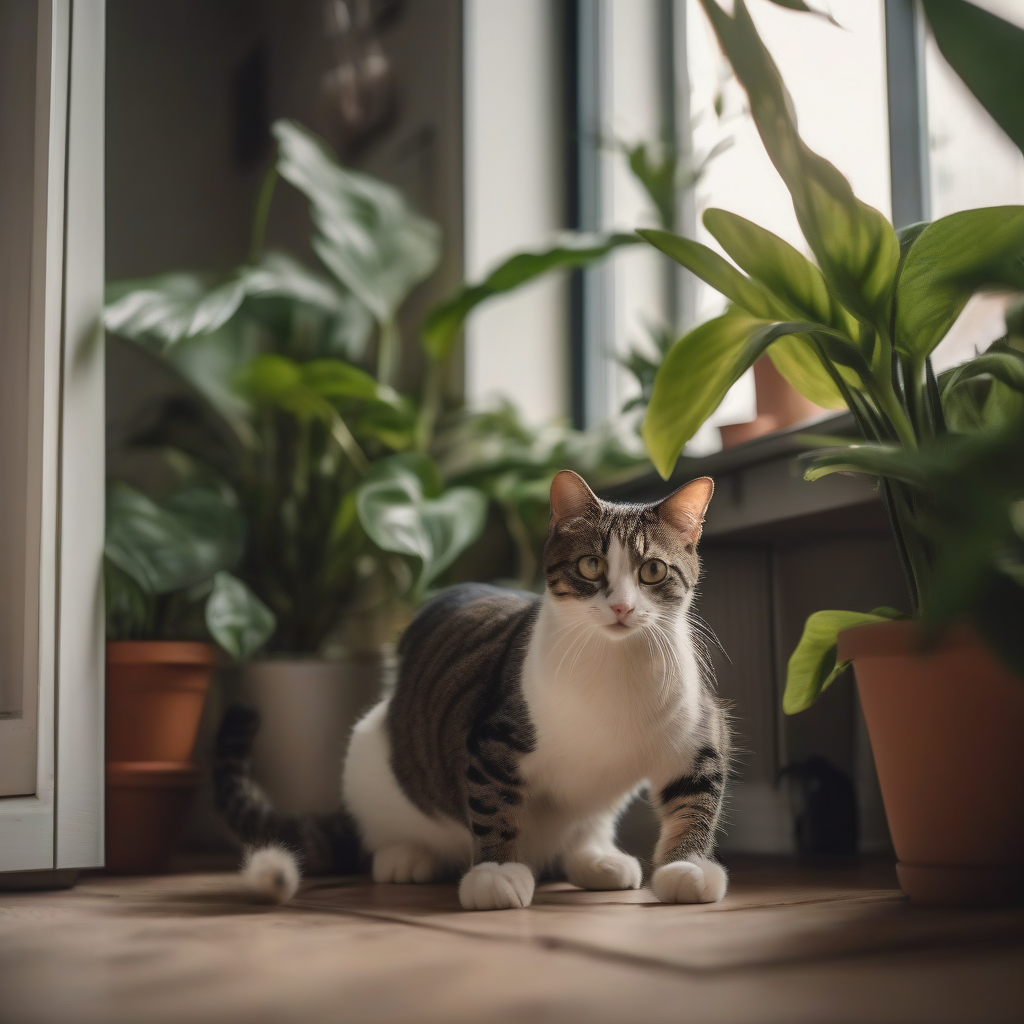
In this article, you will discover the hidden poisoning risks of household plants for your cat, common toxic plant species, signs of poisoning, and scientific strategies to make your living space cat-friendly.


Discover the neurobiological signals of hidden stress your newly adopted cat experiences during adaptation to a new social environment. This article reveals 5 insidious signs of your cat's silent struggle and scientific strategies for peaceful, long-term harmony.

Your dog's anal sacs, located beneath the tail, can be hidden alarm bells often overlooked but profoundly affecting their quality of life. In this article, you will discover the 5 insidious neurobiological effects of anal sac problems on the brain and the lifesaving care secrets you need to know for your furry friend to live a peaceful life.
In this article, you will find comprehensive information on the insidious neurotoxic effects of heavy metal poisoning in aquarium fish, its symptoms, and lifesaving emergency intervention codes. This condition, which can arise from household water sources, improper equipment, or neglect, can severely threaten your fish's quality of life and lifespan.
The place of our beloved pets in our lives is undeniable. Cats, with their elegant demeanor and curious nature, are an indispensable part of our living spaces. However, their interaction with some 'green' beauties at home can pose a much greater danger than you might imagine: plant poisoning. Many pet owners are unaware of the risks plants pose to their cats, and symptoms of poisoning often go unnoticed until it's too late. In this article, we will examine this invisible danger in your cat's living environment in the light of scientific data, identify the most common poisonous plants, and share 5 critical strategies you can implement to protect your cat's health. Our goal is to help you provide a safe and happy living space for your cat through conscious ownership.
Cats' interest in plants is not just about playing or boredom; deep evolutionary and behavioral codes underlie this behavior. Instincts inherited from their wild ancestors drive cats to explore their surroundings, investigate new textures and scents. Plants are attractive objects that trigger this exploratory drive.
Cats are natural predators. The swaying leaves of plants, their fur-like textures, or interesting smells can activate their hunting instincts. A small insect moving on a plant or a branch gently swaying in the wind can instantly capture a cat's attention. This interaction can be seen as hunting practice and often starts as an innocent game. However, chewing on a leaf or stem during this game can lead to the ingestion of toxic substances. This is especially common in young and curious cats.
Plants living alongside your cat in your home may seem innocent, but some contain toxins that can lead to fatal consequences. While many of these plants are popular in home decor, they pose serious health risks to cats. This section highlights the most common poisonous plants and their effects on cats.
Lily (Lilium spp.) and Daylily (Hemerocallis spp.) species are among the most dangerous plants for cats. Even a small amount of pollen, a leaf, or even the water from the vase can lead to severe kidney failure. Symptoms include vomiting, lethargy, loss of appetite, and changes in urination. Emergency veterinary intervention is vital.
These popular indoor plants contain calcium oxalate crystals. When your cat chews the plant, these crystals cause intense burning and irritation in the mouth, tongue, and throat. Swelling, difficulty swallowing, and excessive drooling may be observed. Difficulty breathing is possible, though rare. Interaction with these plants can also affect what your cat generally eats and drinks. Our article Your Cat's 'Invisible Thirst': The Dry Food Trap and Secret Nutritional Strategies for Lifesaving Urinary Health! offers useful information for understanding your cat's eating habits.
Although both can be beneficial for humans, they are toxic to cats. Aloe Vera contains saponins that can cause vomiting, diarrhea, and lethargy in cats. Pothos, due to its calcium oxalate crystals, shows symptoms similar to Philodendron. To understand the factors affecting your cat's overall health and behavior in their living space, you can refer to our article Your Cat's 'Secret Environmental Engineering': How They 'Silently' Shape Their Space and Their Expectations from You.
The tubers of the Cyclamen plant are particularly poisonous to cats and can cause vomiting, diarrhea, heart rhythm disturbances, seizures, and even death. Azaleas are also extremely toxic; even small amounts can lead to vomiting, diarrhea, excessive drooling, paralysis, and heart failure.
Cats are masters at hiding their illnesses or discomforts. Therefore, recognizing the early signs of plant poisoning can be life-saving.
The initial signs of poisoning are usually mild and can be mistaken for other illnesses. Be vigilant if you notice sudden changes in your cat's behavior, such as loss of appetite, avoidance of water, slight lethargy, vomiting, or diarrhea. Excessive drooling or pawing at the mouth can be a direct sign of plant contact. Remember that factors like Your Cat's 'Invisible Soundscape': Hidden Sources of Acoustic Stress at Home and the Science of Creating a Peaceful Environment! can also affect your cat's general mood and behavior; therefore, it's important to be alert to abnormalities.
As poisoning progresses, symptoms become more severe: difficulty breathing, tremors, seizures, coma, or loss of consciousness. In such cases, even seconds matter. The first thing you should do is identify the plant your cat ingested and immediately contact your veterinarian. By providing your vet with the name (or a photo) of the plant, you help them create the correct treatment plan. Never try to induce vomiting in your cat or administer medication without your veterinarian's approval. For some toxins, vomiting can cause more harm.
Arranging your living space for your cat's safety and well-being is possible with a proactive approach. Here are 5 scientific secrets to making your home safer for your cat:
The most definitive solution is to either completely remove poisonous plants from your home or place them in areas where your cat absolutely cannot reach them (e.g., locked rooms, high, closed shelves). Not only ground-level plants but also leaves from hanging baskets or shelves can be an invitation for curious cats. Cats are incredible climbers, and as mentioned in the article Your Cat's 'Secret High Ground' Need: More Than Just Climbing, It's the Key to Their Peace!, their fondness for vertical spaces can make it easier for them to reach plants. You can reduce the risk of tipping by weighting plant pots or using special plant cages.
To satisfy your cat's instinct to chew on plants, offer safe alternatives. You can grow cat grass (mixtures of oat, barley, wheat, or rye grass), parsley, or mint, which are safe for cats. This can both aid your cat's digestion and reduce their interest in poisonous plants. Additionally, you can distract your cat by offering various toys and climbing areas for environmental enrichment.
Physical barriers are a simple way to prevent your cat from approaching plants. You can use specially designed plant protectors or decorative fences. For some cats, textural deterrents like attaching foil or double-sided tape to plant pots might work. Also, scents that your cat dislikes, such as citrus or bitter apple spray, can keep them away from certain plants. However, make sure you are not harming your cat's health when using such methods.
Curious cats may turn to playing with plants when they are bored or not sufficiently stimulated. To prevent this, it's important to provide adequate environmental enrichment at home. Offer scratching posts, interactive toys, puzzle feeders, and safe areas by the window where they can watch the outside world to distract your cat. Remember, a happy and busy cat shows less interest in dangerous plants. A sense of safety is also crucial for your cat's adaptation to a new environment; the article Your Cat's Gentle Transition to a New Home: 5 Hidden Signals and Trust-Building Behavioral Codes (March 2026) can guide you on this matter.
No matter how safe you make your cat's living space, accidents can always happen. Therefore, it is critical to keep track of your cat's general health with regular veterinary check-ups and to have an emergency plan to act quickly in any suspicious situation. By discussing poisonous plants with your veterinarian, you can get information about the potential risks of plants in your home. Make sure you understand the signs of poisoning and know how to intervene quickly. Every pet owner should have an emergency veterinary clinic number and contact information for the nearest poison control center readily available.
A home filled with cats can also be filled with plants, but the coexistence of these two beauties brings certain risks. Being proactive for your cat's health and safety, identifying plants in your home, and eliminating potential dangers are vital. By implementing these scientific secrets, you can create a safe and healthy environment where both you and your cat can live in peace. Remember, pet ownership also means responsibility, and this responsibility includes protecting them from invisible dangers in their living space. Ensuring your cat is always safe and happy is in your hands!
