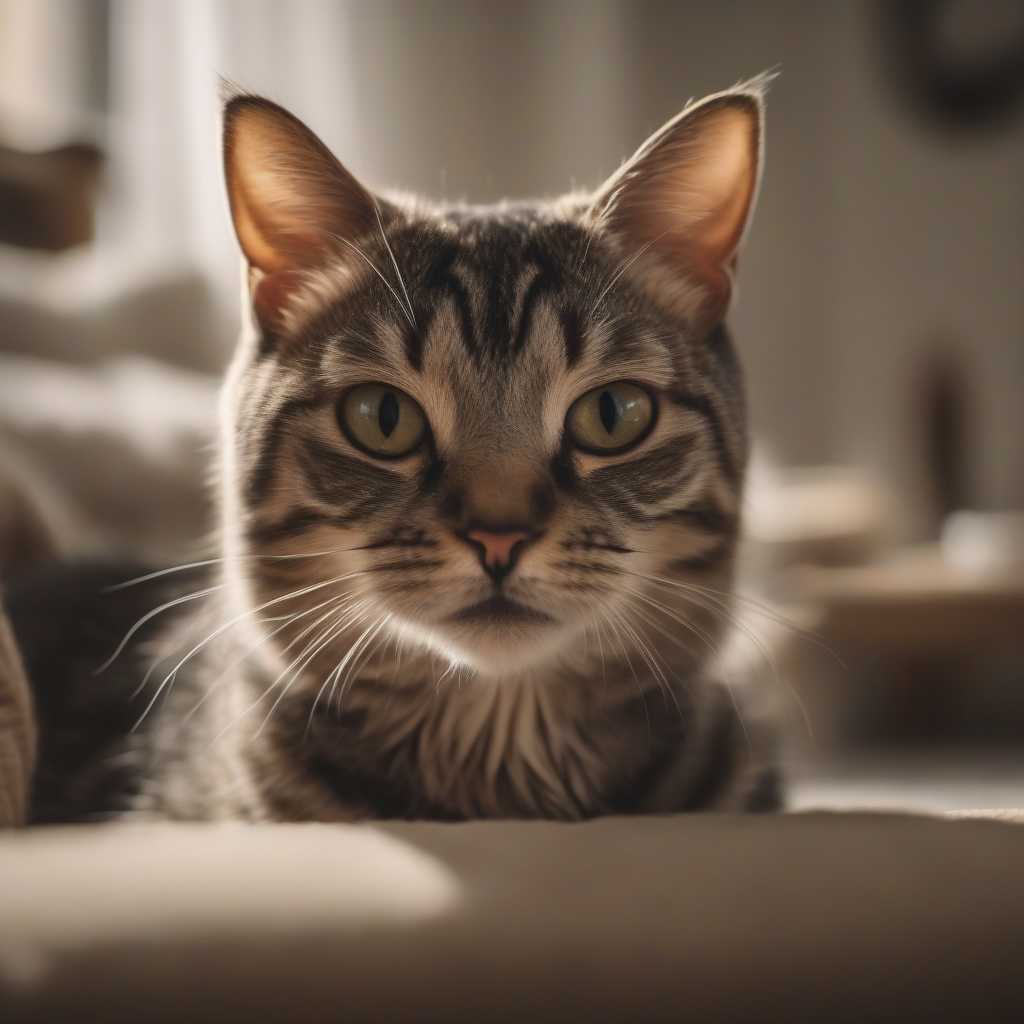
Discover how your cat consciously shapes their living environment and the underlying needs and expectations behind this hidden engineering skill.


Discover the neurobiological signals of hidden stress your newly adopted cat experiences during adaptation to a new social environment. This article reveals 5 insidious signs of your cat's silent struggle and scientific strategies for peaceful, long-term harmony.

Your dog's anal sacs, located beneath the tail, can be hidden alarm bells often overlooked but profoundly affecting their quality of life. In this article, you will discover the 5 insidious neurobiological effects of anal sac problems on the brain and the lifesaving care secrets you need to know for your furry friend to live a peaceful life.
In this article, you will find comprehensive information on the insidious neurotoxic effects of heavy metal poisoning in aquarium fish, its symptoms, and lifesaving emergency intervention codes. This condition, which can arise from household water sources, improper equipment, or neglect, can severely threaten your fish's quality of life and lifespan.
Did you know your cat doesn't just see your home as a shelter? In fact, they act like a 'secret environmental engineer' to create a living space that suits their unique needs and psychological well-being. Even if you're not aware of it, your cat reshapes the space according to their own rules every day, creates 'private territories,' and controls their sharing with you. In this article, we will delve deep into the reasons behind your cat's silent engineering skills, their hidden expectations from you, and how you can better understand this process.
For cats, scent is more than just a sense; it's a complex form of communication that defines their identity, provides a sense of security, and manages their social interactions. Your cat leaves its 'scent signature' on its surroundings with the pheromones secreted from glands on its face and paws. These signatures declare a territory as their own. The edges of sofas, furniture, or even your favorite blanket are invisible walls where your cat designates its personal space. This is particularly evident in cats adapting to a new environment. If you want to ensure a smooth transition for your cat into a new home, allowing them to create their own space with scent is important. Remember, the secret codes for your cat's new home adaptation include this need to create their own space.
As we've previously discussed, your cat prefers high places not just out of a climbing instinct, but also for a sense of security and control. Your cat's 'secret high ground' need is a place where they can observe their surroundings from above, stay away from potential threats, and occupy their 'throne.' These high points are more than just a physical escape; they are critical for your cat's mental health. A cat tree, a bookshelf, or a shelf by the window serves as an 'invisible tower' for your cat. These towers reduce their stress levels and give them a sense of dominion over the house. If you feel you haven't provided enough of these vertical elements in your cat's living space, you should re-evaluate factors that might be increasing their stress.
Every cat needs 'hiding caves' where they can feel safe, won't be cornered, and can rest undisturbed. These areas are safe havens your cat can retreat to when feeling threatened, sick, or just wanting to rest. These caves can be cardboard boxes, narrow closet interiors, spaces under beds, or specially designed cat beds. Your cat feels most secure in these 'hidden comfort zones.' When arranging your cat's living space, offering multiple enclosed areas where they can hide but not get stuck will significantly improve their overall well-being. Considering that your hamster also finds hidden comfort zones in its microclimate map, we can see that this principle applies across different species.
How your cat chooses its play and activity areas is not by chance. Scratching posts, toys, and interactive play areas are vital for your cat to expend energy, satisfy instincts, and be mentally stimulated. However, the placement of these items is as important as their existence. Your cat prefers to place these items in areas it considers 'its kingdom,' typically near the areas where it has left its scent mark or in strategic spots accessible from high places. For example, placing a scratching post next to where your cat sleeps or near a frequently used doorway not only satisfies its scratching instinct but also fulfills its territorial marking needs.
Your cat's visual environment profoundly affects its mood and behavior. Window sills with the most sunlight are their preferred spots for sunbathing and watching the world. However, they also need shaded and protected 'invisible sanctuaries' to reduce stress from bright lights and sudden movements. The lighting arrangement in your home can either help your cat relax or make it more alert. The overall design of your cat's living space is not limited to furniture; how natural light sources are utilized and which areas are kept calmer and shadier are also important for its psychological well-being. This highlights how crucial visual stimuli are for cats, much like how the 'invisible color' world of your bird shapes their psychology.
In conclusion, your cat's presence in your home is not just a visitor but an 'architect.' It shapes its living space with subtle details you might not notice. Understanding these hidden engineering efforts and making adjustments to suit its needs will strengthen the bond between you and offer your cat a happier, more peaceful life. By listening to its silent language, you can truly make your home the 'perfect home' for it.
