In this article, you will find comprehensive information on understanding your dog's social anxiety and reactivity behaviors stemming from past experiences, and how to overcome these challenges by building trust using scientific methods.


Discover the types of burns your dog can suffer, the 5 insidious neurophysiological effects these burns create in the brain and body, and lifesaving emergency intervention strategies in this comprehensive guide. We shed light on the dangers behind forgotten household accidents from a scientific perspective.

Discover the neurobiological signals of hidden stress your newly adopted cat experiences during adaptation to a new social environment. This article reveals 5 insidious signs of your cat's silent struggle and scientific strategies for peaceful, long-term harmony.

Your dog's anal sacs, located beneath the tail, can be hidden alarm bells often overlooked but profoundly affecting their quality of life. In this article, you will discover the 5 insidious neurobiological effects of anal sac problems on the brain and the lifesaving care secrets you need to know for your furry friend to live a peaceful life.
Dogs are naturally social creatures; however, some may experience difficulties in social interactions due to experiences acquired at some point in their lives or genetic predispositions. These difficulties often manifest as social anxiety or reactivity and can seriously affect your dog's quality of life. As of March 2026, the latest advancements in pet behavioral science offer concrete, scientifically-backed strategies to cope with this "silent shadow." As a veterinary content strategist, I will guide you to understand this burden from your dog's past and to ensure a peaceful social life by building trust through scientific methods.
Behaviors your dog exhibits during social interactions such as fear, shyness, excessive barking, growling, lunging, hiding, or trembling, may indicate an underlying problem of social anxiety or reactivity. These behaviors cause significant stress not only for the owner but also for the dog itself.
Many reactive or socially anxious dogs have a history of insufficient socialization during puppyhood or a traumatic experience. Lack of adequate exposure to different people, animals, sounds, and environments during the critical socialization period can cause a dog to find new situations frightening in adulthood. Dogs that have been mistreated or abandoned by previous owners can also develop deep distrust towards people or other animals. This leads them to be defensive or overreactive in social interactions.
Dogs often express their stress or discomfort through silent signals. Signs such as yawning, lip licking, tucking the tail between the legs, flattening the ears, avoiding eye contact (whale eye), tense posture, or trembling are strong indicators that your dog is uncomfortable. Correctly reading these signals is critical for intervening before a behavior escalates into reactivity. You can explore these codes in depth in our article, Your Dog's Invisible Social Signals: Scientific Codes to End Misunderstanding!. Overlooked 5 Overlooked 'Silent' SOS Signals in Your Dog's New Home Adaptation: Decode the Scientific Codes for a Peaceful Transition! can also be present during the adaptation process to a new home.
The process of building trust must be based on patience, consistency, and scientific principles. The goal is to create positive experiences, avoiding the reinforcement of your dog's fears.
Establishing a living space where your dog feels safe is a fundamental step. A corner in the house, a crate, or a special bed should be a sanctuary where your dog can retreat from external stressors. This safe space serves not only for rest but also as a barrier against stimuli from the outside world. Furthermore, scent and sound arrangements in the home environment also affect your dog's overall stress level. Our content, Your Dog's Invisible Scent World: Hidden Stress Factors at Home and the Art of Creating Sensory Comfort Zones, can provide detailed guidance on this topic.
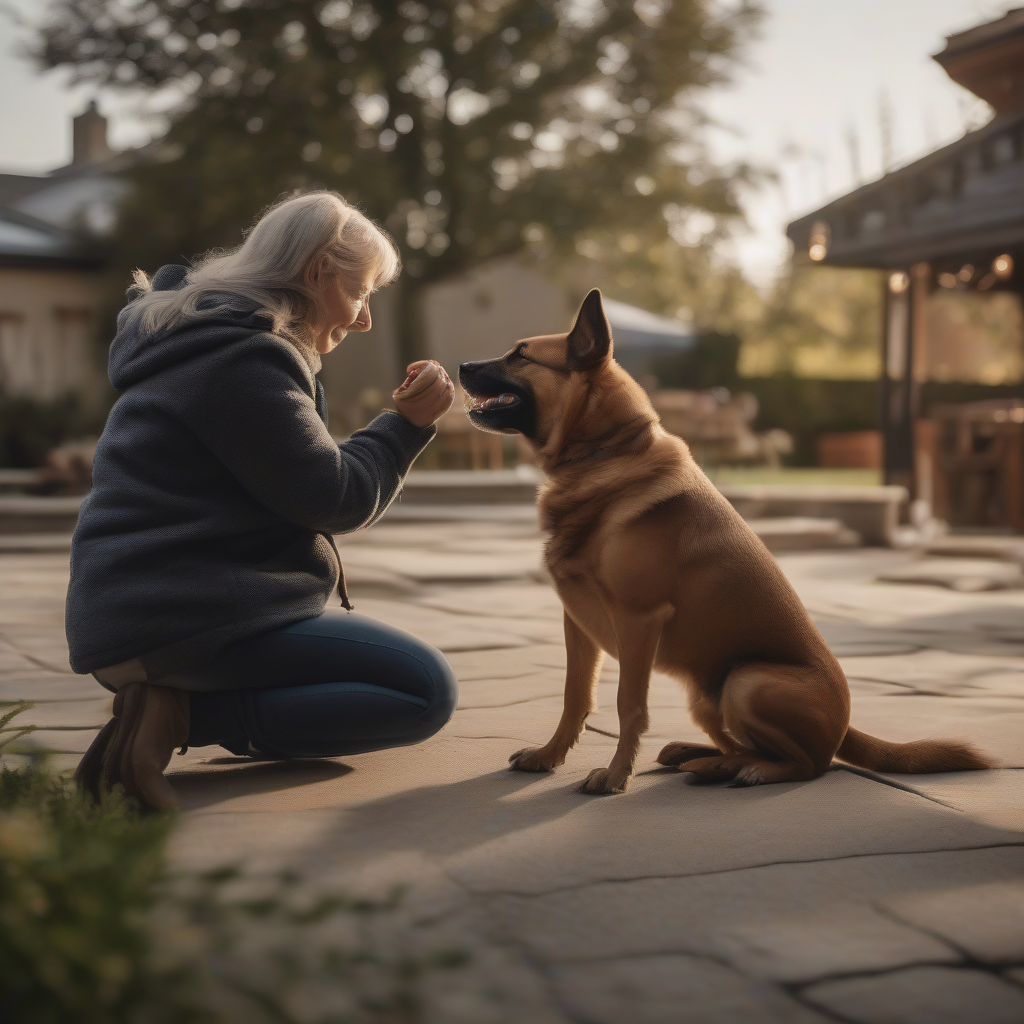
Positive reinforcement is based on the principle of rewarding your dog when it exhibits desired behaviors. This can be treats, praise, affection, or play. The aim is to help your dog associate frightening or stressful situations with positive things. For example, rewarding your dog for staying calm instead of barking at a stranger helps it perceive the situation positively. However, remember that not every reward works for every dog. The article, Your Dog's 'Hidden Motivation Map': Why Some Rewards Fail in Training and the Truths Revealed by Behavioral Science, will help you discover your dog's true motivational sources.
These techniques help your dog develop positive responses to stimuli that they fear or are reactive towards.
In managing social anxiety and reactivity, basic training alone may not be sufficient. Advanced techniques offer more lasting solutions.
Identifying and managing your dog's triggers as much as possible is crucial. This might mean changing walking routes, avoiding busy times, reducing contact with other dogs, or simply arranging short, controlled encounters. Every dog's tolerance level is different, so observation and flexibility are essential.
Walking a reactive dog can be stressful. Using an appropriate harness or leash ensures your dog's safety while allowing you to maintain control. Use constant redirection and distraction techniques to keep your dog calm. Eye contact, "watch me" commands, or sudden changes in direction can help prevent them from focusing on triggers.
In some cases, the guidance of a veterinarian or certified dog behaviorist is indispensable. Behavior specialists can diagnose the underlying causes of your dog's behaviors and create a customized training plan for you. Veterinarians can advise on medication or supplements to help manage anxiety. Especially if your dog's anxiety is severe or shows signs of past trauma, seeking professional help is the most appropriate approach.
Regularly engaging your dog in games that exercise both their mind and body can boost their confidence and reduce stress. Puzzle toys, nose work (scent games), or agility exercises help your dog acquire new skills and improve their focus. These activities also strengthen the bond between you and your dog.
If your dog struggles with interacting with other dogs or people, it is important to arrange controlled and positive introductions. This might mean starting in a neutral area with a calm and friendly dog, ensuring enough distance between them. Interaction times should be kept short and always end on a positive note. Never force your dog or put them in a situation they fear.
Changing social anxiety and reactivity behaviors takes time. Every dog is different, and the pace of progress varies from one individual to another. It is crucial to be patient, consistently apply scientific methods, and celebrate even your dog's small successes. Setbacks are normal; the important thing is not to give up and to continue the learning process.
In conclusion, social anxiety and reactivity, the "silent shadow" from your dog's past, are challenges that can be overcome with the right approaches. By employing scientific trust-building techniques, controlled environments, positive reinforcement, and seeking professional help when necessary, you can ensure your dog lives a happier, more balanced, and social life. Remember, you are your dog's greatest supporter on this journey.
